Swansea, SC · Lexington County
Industrial Dehumidification in Swansea, SCMold Remediation Services & Industrial Humidity Reduction Systems
Industrial Dehumidification in Swansea includes mold remediation services, structural drying services, and disaster recovery drying.
Answered 24/7
Local Industrial Dehumidification for Swansea Businesses
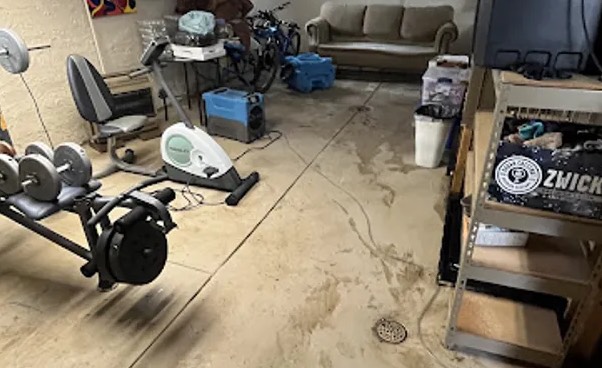
Data centers, storage rooms and archives need stable humidity. After water damage, condensation and corrosion can harm equipment and records.
Industrial dehumidification needs in Swansea and surrounding communities like Gaston, North and Pelion are handled by experienced water damage restoration pros. They manage everything from humidity control systems to flood cleanup on large sites. Help is available 24/7 whenever moisture problems come up.
Industrial Dehumidification Solutions for Swansea
Mold Remediation Services
Extensive mold requires professional remediation to ensure occupant safety. Industrial dehumidification is a core part of stopping the mold lifecycle.
Industrial Humidity Reduction Systems
The experts implement industrial dehumidification systems that operate reliably to meet strict environmental specs. Steady humidity protects sensitive equipment and stored records.
Commercial Water Damage Cleanup
Leaks or floods in commercial properties need high-capacity dehumidifiers. Humidity control in expansive areas targets moisture in concrete slabs and behind walls.
Industrial Flood Damage Restoration
Major industrial flooding demands comprehensive restoration. Pros start by extracting water and then dry the structure. They focus on preventing corrosion to metal assets and electrical systems.
Emergency Water Removal
After a flood, standing water has to come out first. Pumps and extractors remove it so drying can begin.
Signs of Water Damage Requiring Industrial Dehumidification in Swansea
Damp Insulation or Drywall
Wet materials behind walls or above ceilings stay wet for weeks without forced drying and can rot.
Equipment Rust or Corrosion
New rust on machinery or metal stock can come from damp air in the building.
Musty Odors and Smells
A persistent earthy smell often points to hidden moisture in walls, ceilings or stored goods.
Condensation on Pipes
Sweating pipes and ducts drip water and raise the humidity in the space even further.
How Industrial Dehumidification Works in Swansea
Step 1: First Call and Extraction
Local water damage pros check for hazards first and then start extracting flood water.
Step 2: Dehumidification System Setup
Industrial dehumidifiers are set up to create a controlled drying chamber for the air and materials.
Step 3: Targeted Moisture Control
Drying is aimed at problem spots like wet drywall, subfloors and dense materials.
Step 4: Documentation for Property Restoration
Moisture readings and photos are recorded throughout for your files and your insurer.
Reasons for Industrial Flood Damage in Swansea
Foundation Cracks and Seepage
Groundwater pushed up through cracks in slabs and walls keeps lower areas damp.
Natural Disasters and Severe Weather
Flash floods, torrential rain and other extreme events can soak large buildings and need large-scale drying.
Groundwater Intrusion and Saturation
Poor drainage around the building can let water seep up through the floor.
Fire Suppression System Activation
A sprinkler discharge can leave a large amount of water to extract and dry.
Industrial Dehumidification for Residential and Commercial Clients in Swansea
Residential Industrial Dehumidification
In homes, water from a burst pipe spreads inside walls and under floors. The experts find the wet areas with meters and dry them to save the structure and finishes.
Commercial Industrial Dehumidification
Manufacturing plants and warehouses need large-scale drying after a major water incident. Drying brings the space back to the humidity levels production requires.
Industrial Dehumidification vs. Do-It-Yourself in Swansea
Opening windows can help with minor humidity in a small room. Controlling humidity in a large commercial space with stock or equipment usually takes industrial dehumidifiers.
Factors Affecting Industrial Dehumidification Cost in Swansea
The cost of temporary dehumidification depends on the size of the building, the humidity target and whether concrete needs special drying.
Water Contamination Level
Clean, gray and black water need different safety steps and cleanup methods.
Drying Time Required
How long the dehumidifiers must run to reach dry readings is a main cost component.
Equipment Quantity
The number of dehumidifiers, air movers and meters needed grows with the size of the flood.
Does Insurance Cover Industrial Dehumidification?
Coverage for industrial flood damage restoration can vary significantly between different insurance policies and providers. Property owners in Swansea should confirm specifics directly with their insurer. Pros record everything from the first moisture readings to the final dry readings for the claim file.
Benefits of Local Pros for Industrial Dehumidification in Swansea, SC
Structural Material Knowledge
Concrete, wood and drywall dry at different rates, and the plan accounts for each.
IICRC-Standard Drying Methods
The experts follow industry drying standards so moisture is fully removed from the structure.
Clear Process Communication
You get regular updates on drying progress and how long the job should take.
Emergency Flood Response in Swansea
A burst pipe or equipment failure can flood a building and stop work. Call (803) 941-5983 for 24/7 help with industrial flood cleanup in Swansea.
Call Now (803) 941-5983Areas Served for Industrial Dehumidification Near Swansea
Help with industrial dehumidification is available for businesses in Swansea and nearby Gaston, North and Pelion dealing with water damage or high humidity.
- Industrial Dehumidification in Gaston
- Industrial Dehumidification in North
- Industrial Dehumidification in Pelion
- Industrial Dehumidification in Neeses
- Industrial Dehumidification in Red Bank
- Industrial Dehumidification in St. Matthews
- Industrial Dehumidification in West Columbia
- Industrial Dehumidification in Oak Grove
- Emergency Damage Restoration in 29160
- Storm Damage Restoration in 29160
- Water Damage Restoration in 29160
- Water Extraction Service in 29160
- Water Leak Detection in 29160
- Water Removal Service in 29160
Industrial Dehumidification Common Questions Answered
What is structural drying?
It removes moisture soaked into building materials like concrete slabs and walls so they do not decay or grow mold.
Can humidity control prevent future mold problems?
Keeping warehouse humidity low with dehumidifiers protects stored goods and the building from moisture damage.
What is included in commercial water damage cleanup?
It covers water extraction, handling of affected contents, antimicrobial treatment when needed, structural drying and ongoing humidity control.
How does commercial dehumidification differ from residential?
The focus extends beyond drying to include minimizing operational downtime and protecting sensitive inventory or machinery.
Why is water extraction so important?
Removing water quickly keeps it from soaking deeper, shortens drying and lowers the risk of mold and warping.