Neeses, SC · Orangeburg County
Industrial Dehumidification in Neeses, SCWarehouse Moisture Control & Emergency Water Removal
Industrial Dehumidification in Neeses includes mold remediation services, structural drying services, and disaster recovery drying.
Answered 24/7
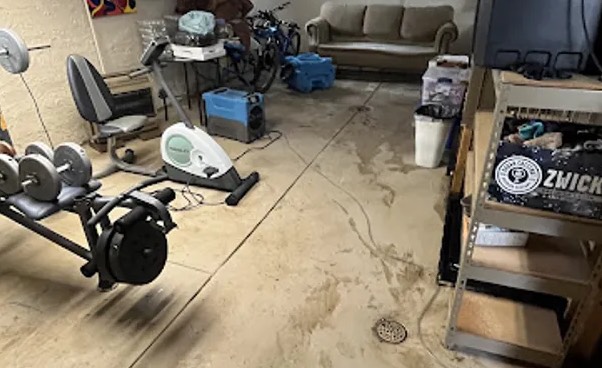
Industrial Drying Services for Neeses Properties
In Neeses, flooding in industrial buildings comes from broken supply lines, failed equipment or storms. Acting quickly limits lost work time and further damage.
Industrial dehumidification is a priority for large facilities in Neeses and nearby areas like Norway, North and Swansea. Whether dealing with a burst pipe or ongoing humidity issues, local water damage pros apply commercial dehumidification techniques.
Professional Industrial Dehumidification in Neeses
Warehouse Moisture Control
Warehouse humidity often climbs with the seasons and after leaks. Industrial dehumidifiers bring it back down, and placing them well protects stock and packaging.
Emergency Water Removal
Standing water poses immediate safety hazards and accelerates damage. Once the water is gone, industrial dehumidification addresses the saturated atmosphere and materials.
Structural Drying Services
Water damage restoration pros in Neeses dry the framing, walls and slabs of a wet building, including the hidden moisture that causes slow decay.
Mold Remediation Services
Mold in a commercial building indicates a deeper moisture issue. The pros use industrial dehumidifiers to create a dry environment that inhibits mold.
Commercial Water Damage Cleanup
Specialized drying equipment is needed for retail or office water damage. The pros deploy industrial-grade dehumidifiers to extract moisture from air and materials in Neeses.
When to Call for Industrial Dehumidification in Neeses
Musty Odors and Smells
A persistent earthy smell often points to hidden moisture in walls, ceilings or stored goods.
Noticeable Water Pooling
Standing water in a warehouse or industrial space needs to be removed before drying can start.
Peeling Adhesives or Labels
Boxes losing their shape and labels peeling off mean the storage area is holding too much moisture.
Visible Mold
Black, green or white spots on walls or contents mean humidity has been high for too long.
How Industrial Dehumidification Works in Neeses
Step 1: Secure Area and Remove Water
The site is made safe, then water is removed with industrial equipment.
Step 2: Install Commercial Dehumidification
Large commercial dehumidifiers bring the humidity down so the drying can start.
Step 3: Accelerated Evaporation and Drying
Air movers speed up evaporation, and the dehumidifiers collect the water from the air.
Step 4: Achieve Dry Standard and Demobilize
After confirming all materials meet the dry standard, pros dismantle the drying system.
Causes of Excess Moisture Requiring Industrial Dehumidification in Neeses
Foundation Cracks and Seepage
Groundwater pushed up through cracks in slabs and walls keeps lower areas damp.
Groundwater Intrusion and Saturation
Poor drainage around the building can let water seep up through the floor.
Natural Disasters and Severe Weather
Flash floods, torrential rain and other extreme events can soak large buildings and need large-scale drying.
Poor Ventilation and Airflow
Poor ventilation traps moisture from work processes and people inside the building.
Professional Industrial Dehumidification for Any Property in Neeses
Residential Industrial Dehumidification
Water damage from appliance overflows, AC leaks and roof problems affects homeowners in Neeses. Pros dry the structure with dehumidifiers to remove hidden moisture.
Commercial Industrial Dehumidification
In businesses, leaks and high humidity lead to downtime and lost stock. Industrial dehumidifiers dry the facility so it can get back to work.
Industrial Dehumidification vs. DIY: When to Call the Pros
Turning off the main water supply to stop an active leak is a sensible first step any property owner can take. Measuring how far the water spread and planning the drying, though, takes professional meters and industrial equipment.
Industrial Dehumidification Pricing in Neeses
Commercial cleanup costs for a facility in South Carolina depend on how much water must be extracted and how long structural drying takes.
Access Complexity
Hard-to-reach areas in a warehouse or plant take longer to set up equipment in.
Mold Remediation Needs
If mold is found, containment, removal and air scrubbing are added to the job.
Equipment Quantity
The number of dehumidifiers, air movers and meters needed grows with the size of the flood.
Does Insurance Cover Industrial Dehumidification?
The pros provide the necessary documentation, including logs and moisture data, that the insurer typically needs to process and adjudicate the property owner's claim.
Benefits of Local Pros for Industrial Dehumidification in Neeses, SC
IICRC-Standard Drying Methods
The experts follow industry drying standards so moisture is fully removed from the structure.
Industrial-Grade Equipment
High-capacity dehumidifiers and air movers are sized for warehouses and other large spaces.
Comprehensive Water Removal
The work starts with removing standing water and water soaked into materials.
Emergency Industrial Dehumidification in Neeses, SC
Standing water left in a building can lead to mold within a day or two. Call (803) 941-5983 to reach the experts for commercial water cleanup and humidity control, any hour.
Call Now (803) 941-5983Local Industrial Dehumidification Areas: Neeses and Beyond
Structural drying is available for commercial properties in Neeses and the broader area, with response available for locations like Norway, North and Swansea.
- Industrial Dehumidification in Norway
- Industrial Dehumidification in North
- Industrial Dehumidification in Swansea
- Industrial Dehumidification in Denmark
- Industrial Dehumidification in Blackville
- Industrial Dehumidification in Orangeburg
- Industrial Dehumidification in Wagener
- Industrial Dehumidification in Pelion
- Emergency Damage Restoration in 29107
- Storm Damage Restoration in 29107
- Water Damage Restoration in 29107
- Water Extraction Service in 29107
- Water Leak Detection in 29107
- Water Removal Service in 29107
Industrial Dehumidification Common Questions Answered
How does commercial dehumidification differ from residential?
The focus extends beyond drying to include minimizing operational downtime and protecting sensitive inventory or machinery.
What are humidity reduction systems?
Dehumidifiers that stay in place to hold humidity at a set level in sensitive spaces like data centers, archives or plants after water damage.
How is drying progress monitored?
The experts take moisture readings from materials and the air each day and keep drying logs that show progress.
What is the goal of disaster recovery drying?
It is drying a building after a large water loss so the business can return to normal use as soon as possible.
What areas need drying after a warehouse flood?
All wet areas: floors, walls, stored contents and often the subfloor and insulation as well.