Red Bank, SC · Lexington County
Industrial Dehumidification in Red Bank, SCIndustrial Humidity Reduction Systems & Disaster Recovery Drying
Industrial Dehumidification in Red Bank includes mold remediation services, structural drying services, and disaster recovery drying.
Answered 24/7
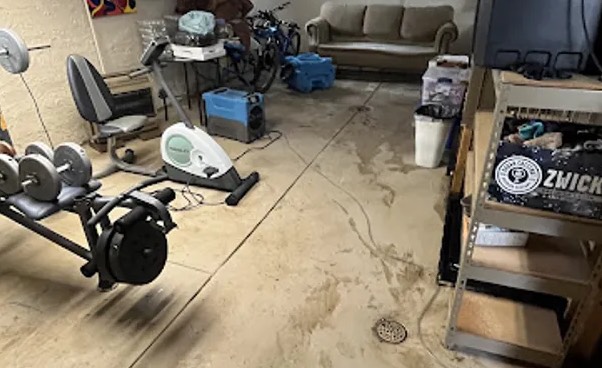
Expert Industrial Dehumidification in Red Bank, SC
In Red Bank, water trapped in the walls, floors and ceilings of commercial buildings causes mold, rot and decay if it is not dried properly.
When flooding hits an industrial building in Red Bank, drying needs to start quickly. Local commercial drying experts also work in nearby Lexington, Oak Grove and Gilbert and keep records of the water removal and drying.
Industrial Flood Damage Restoration in Red Bank
Industrial Humidity Reduction Systems
Some buildings stay humid long after a leak. Dehumidifiers can be left running to hold humidity at a set level until the building is stable.
Disaster Recovery Drying
After a large flood or leak, whole floors or wings of a building may need drying at once. High-capacity dehumidifiers and air movers make that possible.
Warehouse Moisture Control
Warehouse humidity often climbs with the seasons and after leaks. Industrial dehumidifiers bring it back down, and placing them well protects stock and packaging.
Structural Drying Services
When water soaks into a building's framework, surface drying is insufficient. Commercial drying experts set up a controlled environment with industrial dehumidifiers.
Industrial Flood Damage Restoration
Flood waters can halt production. The experts implement a phased strategy using industrial dehumidifiers and air movers. Large dehumidifiers are sized to the building volume.
Warning Signs You Need Industrial Dehumidification
Warped or Buckling Materials
Swollen wood, peeling paint or distorted flooring are signs of too much moisture in the building.
Stained Ceilings or Walls
Yellow or brown water stains show where past leaks happened and where moisture may still be.
Damp Insulation or Drywall
Wet materials behind walls or above ceilings stay wet for weeks without forced drying and can rot.
Peeling Adhesives or Labels
Boxes losing their shape and labels peeling off mean the storage area is holding too much moisture.
How Industrial Dehumidification Works in Red Bank
Step 1: Secure Area and Remove Water
The site is made safe, then water is removed with industrial equipment.
Step 2: Install Commercial Dehumidification
Large commercial dehumidifiers bring the humidity down so the drying can start.
Step 3: Accelerated Evaporation and Drying
Air movers speed up evaporation, and the dehumidifiers collect the water from the air.
Step 4: Achieve Dry Standard and Demobilize
After confirming all materials meet the dry standard, pros dismantle the drying system.
Causes of Industrial Humidity Problems in Red Bank
Natural Disasters and Severe Weather
Flash floods, torrential rain and other extreme events can soak large buildings and need large-scale drying.
Process Water or Chemical Spills
Industrial processes that use liquids carry a constant risk of accidental spills and releases.
Roof Leaks and Storm Damage
Damaged roofing lets water in during heavy rain, wetting stock and floors below.
Appliance Malfunctions and Overflows
Water heater failures or broken process lines can flood large areas suddenly.
Industrial Dehumidification for Homes and Businesses in Red Bank
Residential Industrial Dehumidification
In homes, a slow roof leak can soak attic insulation and lead to mold. The experts in Red Bank dry the attic once the roof is repaired and clean up the wet areas.
Commercial Industrial Dehumidification
Data centers, labs and archives need steady humidity. After water damage, temporary dehumidification protects equipment and records until conditions are stable.
Industrial Dehumidification vs. DIY: When to Call the Pros
Move valuable items and equipment out of the wet area to limit losses. Finding hidden water in walls and under floors takes moisture meters and commercial drying equipment.
Industrial Dehumidification Pricing in Red Bank
Industrial flood cleanup costs depend on the scale of water removal and how many hours of structural drying are needed.
Equipment Quantity
The number of dehumidifiers, air movers and meters needed grows with the size of the flood.
Water Contamination Level
Clean, gray and black water need different safety steps and cleanup methods.
Drying Time Required
How long the dehumidifiers must run to reach dry readings is a main cost component.
Does Insurance Cover Industrial Dehumidification?
The pros provide detailed documentation of the damage, including moisture maps and photographic evidence, to support the property owner's claim submission for review.
Advantages of Hiring Local Pros for Industrial Dehumidification in Red Bank
Detailed Moisture Documentation
Meters and sensors track humidity and moisture, so you can see drying progress day by day.
Containment Protocols
Where mold is found, barriers keep it from spreading to other parts of the building.
Comprehensive Water Removal
The work starts with removing standing water and water soaked into materials.
Emergency Industrial Dehumidification in Red Bank, SC
Removing water early prevents more damage to the structure and lowers the mold risk. Call (803) 941-5983 any time, day or night, for help in Red Bank.
Call Now (803) 941-5983Areas Served for Industrial Dehumidification Near Red Bank
Warehouse moisture control and flood cleanup are available in Red Bank and nearby Lexington, Oak Grove and Gilbert.
- Industrial Dehumidification in Lexington
- Industrial Dehumidification in Oak Grove
- Industrial Dehumidification in Gilbert
- Industrial Dehumidification in Cayce
- Industrial Dehumidification in Seven Oaks
- Industrial Dehumidification in West Columbia
- Industrial Dehumidification in Gaston
- Industrial Dehumidification in Pelion
Industrial Drying FAQ for Red Bank Clients
What happens during the property restoration process?
Property restoration involves drying structural materials, cleaning affected surfaces and contents, and sometimes repairing or replacing damaged components after water intrusion.
What is structural drying?
It removes moisture soaked into building materials like concrete slabs and walls so they do not decay or grow mold.
What is the first step in emergency water removal?
The initial critical step is extracting all standing water using truck-mounted or portable pumps and extractors.
Does all water require the same cleanup approach?
No. Clean water from a supply line, gray water from appliances and black water from sewage each need different safety and cleanup steps.
Why is water extraction so important?
Removing water quickly keeps it from soaking deeper, shortens drying and lowers the risk of mold and warping.