Swansea, SC · Lexington County
Warehouse Water Damage Restoration in Swansea, SCWarehouse Floor Water Removal & Warehouse Structural Drying
Warehouse Water Damage Restoration in Swansea requires warehouse equipment drying, warehouse floor water removal, and warehouse leak detection repair.
Answered 24/7
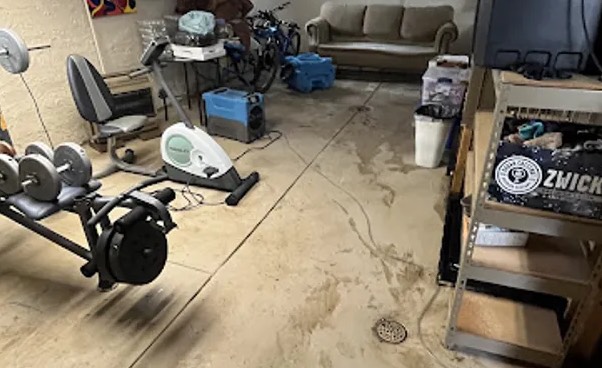
Expert Warehouse Water Damage Restoration Services for Swansea
In Swansea, local pros find and repair the leak and extract the water to stop mold and structural decay.
In Swansea, warehouse floods need large-volume extraction and drying. Local pros dry and clean the building, including mold removal, and also serve Gaston, North and Pelion.
Comprehensive Warehouse Water Damage Restoration Solutions
Warehouse Floor Water Removal
Effective water removal from the warehouse floor is foundational. Techniques target moisture in and under the slab to prevent long-term issues like spalling or mold.
Warehouse Structural Drying
Warehouse structural drying uses industrial air movers and dehumidifiers following industry-standard methods to dry walls, floors, and structural components.
Warehouse Mold Remediation
Mold growth in a warehouse requires a structured remediation response. Professionals contain the area, discard unsalvageable moldy materials, and clean remaining surfaces.
Warehouse Flood Water Extraction
Powerful pumps and extractors clear large volumes from the floor first. Work by warehouse water damage pros keep the restoration smaller and cheaper.
Warehouse Inventory Water Damage
Inventory affected by warehouse water requires prompt assessment and triage. The pros document the condition of goods for your insurer, initiating drying or specialized cleaning for salvageable items.
Warning Signs You Need Warehouse Water Damage Restoration
Condensation on Equipment
Water beads on metal machinery or control panels show high humidity, risking corrosion and downtime.
High Humidity Readings
A hygrometer that keeps showing high humidity means the building is still wet.
Peeling Paint or Rust
Paint blistering or accelerated rust on structural steel are clear signs of excess warehouse moisture.
Soggy Insulation Overhead
Wet, sagging insulation in ceiling bays loses R-value and can lead to collapse.
How Warehouse Water Damage Restoration Works in Swansea
Step 1: Emergency Water Extraction
The pros use industrial pumps and extractors to remove all standing flood water from the facility, starting the warehouse water removal process.
Step 2: Strategic Structural Drying
High-capacity air movers and commercial dehumidifiers are positioned to dry the warehouse structure, including walls, ceilings, and the concrete slab, preventing warping.
Step 3: Inventory and Content Processing
Affected goods and materials are evaluated for warehouse inventory water damage; salvageable items are moved to a dry zone for specialized drying or cleaning.
Step 4: Final Verification and Documentation
Using moisture meters, pros verify the space is dry to industry standards. They document the process with readings and photos for your insurance review.
What Causes Warehouse Flooding in Swansea
Foundation or Slab Leaks
Cracks in the slab or foundation walls let groundwater seep into the warehouse.
Human Error and Accidents
A left-on hose, an overturned tank, or a forklift damaging a pipe can initiate flooding.
Stormwater and Flood Intrusion
Heavy rain can overwhelm drains or seep under doors, leading to warehouse flood damage.
Process Equipment Leaks
Cooling lines, hydraulic systems, or wash-down stations can develop leaks, creating localized water damage.
Industrial-Grade Warehouse Water Damage Restoration in Swansea
Residential Water Damage Restoration
Homeowners with pole barns or large outbuildings used for hobbies or business storage benefit from warehouse water removal methods when a leak soaks flooring and stored belongings, preventing mold growth.
Warehouse Water Damage Restoration
An active warehouse leak repair must address not just the water source but also the potential for corrosion on steel supports and damage to sensitive electronics controlling automation.
Why DIY Warehouse Water Damage Repair Fails
Documenting the damage with photos and notes for your insurance claim is a responsible step you can take. The scope, cause, and extent of industrial water damage restoration, however, must be assessed and executed by qualified specialists.
Factors Influencing Warehouse Water Damage Restoration Cost
Factors influencing warehouse water removal expense include the water source category, the duration of exposure, and the required level of moisture documentation for insurance or internal records.
Mold Remediation Needs
If secondary mold growth is present, the project scope expands to include containment, removal, and air scrubbing, adding to the cost.
Water Volume and Source
Clean water from a broken pipe costs less to extract than contaminated flood water requiring advanced sanitation procedures in the warehouse.
Inventory and Equipment Damage
Costs go up when stored goods or machinery got wet and need drying, cleaning or corrosion control.
Does Insurance Cover Warehouse Water Damage Restoration?
The pros assist by creating a clear, documented scope of damage for an adjuster to review. Final approval for repairs and coverage, however, rests with the insurance company.
The Value of Local Warehouse Water Damage Restoration Experts
Floor Water Removal
Effective warehouse floor water removal addresses both surface water and moisture trapped below the surface or in subflooring materials.
Inventory Damage Mitigation
Pros prioritize protecting salvageable goods through careful water removal, controlled drying environments, and coordination for off-site restoration if needed.
Equipment Drying Protocols
Specialized techniques for warehouse equipment drying aim to minimize corrosion and electrical damage to machinery and control panels after water exposure.
Warehouse Water Damage Restoration Help Available 24/7
Moisture in a warehouse can damage the structure, ruin stock and grow mold. Call (803) 941-5983 24/7 for the pros to start drying.
Call Now (803) 941-5983Warehouse Water Damage Restoration for Swansea and Nearby Communities
Warehouse water damage restoration is available in Swansea, and communities including Gaston, North and Pelion, for roof leaks, floods and structural drying.
- Warehouse Water Damage Restoration in Gaston
- Warehouse Water Damage Restoration in North
- Warehouse Water Damage Restoration in Pelion
- Warehouse Water Damage Restoration in Neeses
- Warehouse Water Damage Restoration in Red Bank
- Warehouse Water Damage Restoration in St. Matthews
- Warehouse Water Damage Restoration in West Columbia
- Warehouse Water Damage Restoration in Oak Grove
- Emergency Damage Restoration in 29160
- Storm Damage Restoration in 29160
- Water Damage Restoration in 29160
- Water Extraction Service in 29160
- Water Leak Detection in 29160
- Water Removal Service in 29160
FAQ for Local Pros
Does warehouse water damage always lead to mold?
Not always, but mold spores are everywhere; and thorough drying is the most effective way to help prevent them from germinating and growing.
Who decides what warehouse inventory is salvageable after flooding?
The warehouse owner or manager, often in consultation with their insurer and the pros assessing the damage, makes those final decisions.
What does warehouse structural drying involve?
This process uses industrial air movers and dehumidifiers to remove moisture from building materials like concrete, steel, and wall assemblies to dry standards.
Why is warehouse floor water removal challenging?
Water soaks into concrete, so slabs take longer to dry and need dehumidifiers and readings to confirm.
Why is quick action crucial for warehouse water removal?
The longer water sits, the deeper it penetrates concrete, drywall, and stored goods. This increases damage to inventory, equipment, and the building's structural components over time.