Great Falls, SC · Chester County
Industrial Dehumidification in Great Falls, SCWarehouse Moisture Control & Structural Drying Services
Get Industrial Dehumidification in Great Falls for industrial flood damage restoration, warehouse moisture control, and mold remediation services.
Answered 24/7
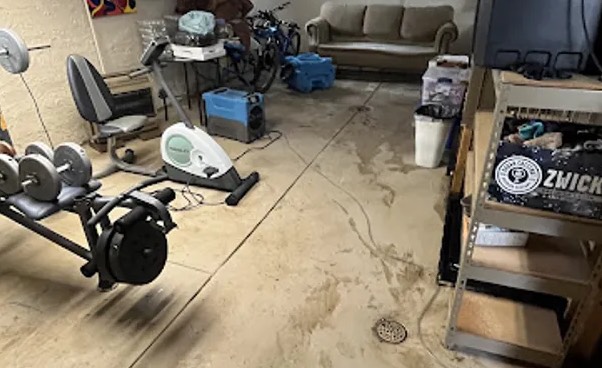
Local Industrial Dehumidification for Great Falls Businesses
Data centers, storage rooms and archives need stable humidity. After water damage, condensation and corrosion can harm equipment and records.
Industrial dehumidification needs in Great Falls and surrounding communities like Fort Lawn, Richburg and Lancaster are handled by experienced water damage restoration pros. They manage everything from humidity control systems to flood cleanup on large sites. Help is available 24/7 whenever moisture problems come up.
Industrial Flood Damage Restoration in Great Falls
Warehouse Moisture Control
Warehouse humidity often climbs with the seasons and after leaks. Industrial dehumidifiers bring it back down, and placing them well protects stock and packaging.
Structural Drying Services
When water soaks into a building's framework, surface drying is insufficient. Commercial drying experts set up a controlled environment with industrial dehumidifiers.
Emergency Water Removal
When water invades a commercial space, every minute counts. The pros extract the bulk water first. Following extraction, industrial dehumidification tackles the remaining moisture.
Disaster Recovery Drying
After a disaster in Great Falls, heavy-duty drying equipment brings humidity down so repairs can start safely.
Mold Remediation Services
Extensive mold requires professional remediation to ensure occupant safety. Industrial dehumidification is a core part of stopping the mold lifecycle.
Indicators for Industrial Dehumidification Services in Great Falls
Damp Insulation or Drywall
Wet materials behind walls or above ceilings stay wet for weeks without forced drying and can rot.
Musty Odors and Smells
A persistent earthy smell often points to hidden moisture in walls, ceilings or stored goods.
Soggy Inventory or Stock
Wet cardboard, damaged goods or damp raw materials mean humidity in the building is not under control.
Equipment Rust or Corrosion
New rust on machinery or metal stock can come from damp air in the building.
How Industrial Dehumidification Works in Great Falls
Step 1: Secure Area and Remove Water
The site is made safe, then water is removed with industrial equipment.
Step 2: Install Commercial Dehumidification
Large commercial dehumidifiers bring the humidity down so the drying can start.
Step 3: Accelerated Evaporation and Drying
Air movers speed up evaporation, and the dehumidifiers collect the water from the air.
Step 4: Achieve Dry Standard and Demobilize
After confirming all materials meet the dry standard, pros dismantle the drying system.
Reasons for Industrial Flood Damage in Great Falls
Roof Leaks and Storm Damage
Damaged roofing lets water in during heavy rain, wetting stock and floors below.
Process Water or Chemical Spills
Industrial processes that use liquids carry a constant risk of accidental spills and releases.
Natural Disasters and Severe Weather
Flash floods, torrential rain and other extreme events can soak large buildings and need large-scale drying.
Groundwater Intrusion and Saturation
Poor drainage around the building can let water seep up through the floor.
Residential and Commercial Industrial Dehumidification in Great Falls
Residential Industrial Dehumidification
A flooded basement or crawl space can ruin stored items and weaken foundations. Pros extract the water and dry the structure to prevent costly repairs later.
Commercial Industrial Dehumidification
Restaurant kitchens, stockrooms and offices all need humidity under control after water damage. Commercial dehumidifiers protect equipment and goods from rust and mold.
Industrial Dehumidification vs. Do-It-Yourself in Great Falls
A property owner can document the first damage with photos and written notes for the insurance provider before cleanup begins. Large-scale extraction and structural drying, though, take industrial pumps, dehumidifiers and trained pros.
Factors Affecting Industrial Dehumidification Cost in Great Falls
The cost of temporary dehumidification depends on the size of the building, the humidity target and whether concrete needs special drying.
Water Contamination Level
Clean, gray and black water need different safety steps and cleanup methods.
Access Complexity
Hard-to-reach areas in a warehouse or plant take longer to set up equipment in.
Emergency Service Timing
After-hours or 24/7 calls may be billed at a different rate than a scheduled visit.
Does Insurance Cover Industrial Dehumidification?
Structural drying services after a leak are often covered if the cause is a sudden, accidental peril named in the policy, such as a burst pipe. Homeowners should always verify deductibles, limits, and specific requirements directly with their insurance company before work proceeds.
Why Choose Local Pros for Industrial Dehumidification in Great Falls
Containment Protocols
Where mold is found, barriers keep it from spreading to other parts of the building.
Detailed Moisture Documentation
Meters and sensors track humidity and moisture, so you can see drying progress day by day.
24/7 Emergency Response
Fast water extraction limits how far damage spreads in a large building.
Emergency Industrial Dehumidification in Great Falls, SC
For industrial dehumidification after a flood or major leak in Great Falls, call (803) 941-5983. The experts are available around the clock for water removal and commercial drying.
Call Now (803) 941-5983Areas Served for Industrial Dehumidification Near Great Falls
Industrial drying for plants and warehouses is available in Great Falls and in nearby Fort Lawn, Richburg and Lancaster.
- Industrial Dehumidification in Fort Lawn
- Industrial Dehumidification in Richburg
- Industrial Dehumidification in Lancaster
- Industrial Dehumidification in Heath Springs
- Industrial Dehumidification in Winnsboro
- Industrial Dehumidification in Ridgeway
- Industrial Dehumidification in Chester
- Industrial Dehumidification in Kershaw
- Emergency Damage Restoration in 29055
- Storm Damage Restoration in 29055
- Water Damage Restoration in 29055
- Water Extraction Service in 29055
- Water Leak Detection in 29055
- Water Removal Service in 29055
Industrial Dehumidification FAQs
Why choose professional Industrial Dehumidification over in-house fans?
Industrial dehumidifiers and moisture meters dry the structure fully, reaching hidden moisture that fans alone leave behind.
What is included in commercial water damage cleanup?
It covers water extraction, handling of affected contents, antimicrobial treatment when needed, structural drying and ongoing humidity control.
How long does industrial flood damage restoration take?
It depends on how much water there was, what got wet and the humidity. Large jobs often take several days to a few weeks.
What areas need drying after a warehouse flood?
All wet areas: floors, walls, stored contents and often the subfloor and insulation as well.
Can humidity control prevent future mold problems?
Keeping warehouse humidity low with dehumidifiers protects stored goods and the building from moisture damage.