Lancaster, SC · Lancaster County
Industrial Dehumidification in Lancaster, SCCommercial Water Damage Cleanup & Industrial Humidity Reduction Systems
Industrial Dehumidification in Lancaster handles disaster recovery drying, industrial humidity reduction systems and emergency water removal.
Answered 24/7
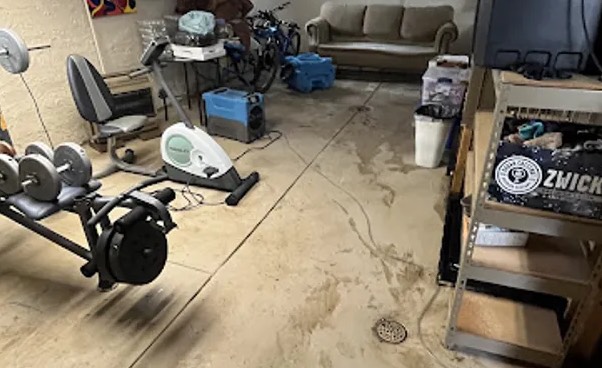
Industrial Drying Services for Lancaster Properties
In Lancaster, high humidity after a leak rusts machinery, ruins stock and keeps building materials wet. Industrial dehumidifiers bring it under control so drying can finish.
When flooding hits an industrial building in Lancaster, drying needs to start quickly. Local large loss drying pros also work in nearby Fort Lawn, Heath Springs and Great Falls and keep records of the water removal and drying.
Professional Industrial Dehumidification in Lancaster
Commercial Water Damage Cleanup
Specialized drying equipment is needed for retail or office water damage. The pros deploy industrial-grade dehumidifiers to extract moisture from air and materials in Lancaster.
Industrial Humidity Reduction Systems
Installing a humidity reduction system provides long-term protection. Local water damage restoration pros in Lancaster can recommend and set up tailored equipment.
Mold Remediation Services
Extensive mold requires professional remediation to ensure occupant safety. Industrial dehumidification is a core part of stopping the mold lifecycle.
Industrial Flood Damage Restoration
Major industrial flooding demands comprehensive restoration. Pros start by extracting water and then dry the structure. They focus on preventing corrosion to metal assets and electrical systems.
Disaster Recovery Drying
Recovering from a widespread water event requires professional drying resources. Industrial dehumidification units run continuously to remove the immense volume of moisture introduced.
Warning Signs You Need Industrial Dehumidification
Warped or Buckling Materials
Swollen wood, peeling paint or distorted flooring are signs of too much moisture in the building.
Soggy Inventory or Stock
Wet cardboard, damaged goods or damp raw materials mean humidity in the building is not under control.
Recent Flood or Spill
A burst pipe or overflow that soaks a commercial space needs cleanup and drying right away.
Damp Insulation or Drywall
Wet materials behind walls or above ceilings stay wet for weeks without forced drying and can rot.
How Industrial Dehumidification Works in Lancaster
Step 1: Site Assessment and Inspection
An inspection finds the water sources, the wet materials and how much cleanup is needed.
Step 2: Containment and Water Removal
Containment is set up if needed, then industrial extractors remove the bulk water.
Step 3: Deploy Drying Equipment
Desiccant and refrigerant dehumidifiers and air movers are placed to dry the building.
Step 4: Continuous Monitoring and Adjustment
Equipment runs around the clock, and humidity is checked so the setup can be adjusted as areas dry.
Causes of Excess Moisture Requiring Industrial Dehumidification in Lancaster
Process Water or Chemical Spills
Industrial processes that use liquids carry a constant risk of accidental spills and releases.
Roof Leaks and Storm Damage
Damaged roofing lets water in during heavy rain, wetting stock and floors below.
Burst Pipes or Plumbing Leaks
Failed supply lines, faulty fittings, or cracked pipes can release thousands of gallons.
Groundwater Intrusion and Saturation
Poor drainage around the building can let water seep up through the floor.
Professional Industrial Dehumidification for Any Property in Lancaster
Residential Industrial Dehumidification
A flooded basement or crawl space can ruin stored items and weaken foundations. Pros extract the water and dry the structure to prevent costly repairs later.
Commercial Industrial Dehumidification
Restaurant kitchens, stockrooms and offices all need humidity under control after water damage. Commercial dehumidifiers protect equipment and goods from rust and mold.
DIY Moisture Control vs. Professional Industrial Dehumidification in Lancaster
Turning off the main water supply to stop an active leak is a sensible first step any property owner can take. Measuring how far the water spread and planning the drying, though, takes professional meters and industrial equipment.
What Influences Industrial Dehumidification Expense in Lancaster
Commercial cleanup costs for a facility in South Carolina depend on how much water must be extracted and how long structural drying takes.
Affected Square Footage
The size of the area to be dehumidified sets how much equipment and labor are needed.
Access Complexity
Hard-to-reach areas in a warehouse or plant take longer to set up equipment in.
Water Contamination Level
Clean, gray and black water need different safety steps and cleanup methods.
Does Insurance Cover Industrial Dehumidification?
The pros provide the necessary documentation, including logs and moisture data, that the insurer typically needs to process and adjudicate the property owner's claim.
Benefits of Local Pros for Industrial Dehumidification in Lancaster, SC
24/7 Emergency Response
Fast water extraction limits how far damage spreads in a large building.
Detailed Moisture Documentation
Meters and sensors track humidity and moisture, so you can see drying progress day by day.
Industrial-Grade Equipment
High-capacity dehumidifiers and air movers are sized for warehouses and other large spaces.
24/7 Emergency Industrial Dehumidification in Lancaster
For industrial dehumidification after a flood or major leak in Lancaster, call (803) 941-5983. The pros are available around the clock for water removal and commercial drying.
Call Now (803) 941-5983Local Industrial Dehumidification Areas: Lancaster and Beyond
The places below are also served, and each one has its own page.
- Industrial Dehumidification in Fort Lawn
- Industrial Dehumidification in Heath Springs
- Industrial Dehumidification in Great Falls
- Industrial Dehumidification in Richburg
- Industrial Dehumidification in Kershaw
- Industrial Dehumidification in Chester
- Industrial Dehumidification in Bethune
- Industrial Dehumidification in Ridgeway
- Emergency Damage Restoration in 29720
- Storm Damage Restoration in 29720
- Water Damage Restoration in 29720
- Water Extraction Service in 29720
- Water Leak Detection in 29720
- Water Removal Service in 29720
- Emergency Damage Restoration in 29721
- Storm Damage Restoration in 29721
Industrial Drying FAQ for Lancaster Clients
How long does industrial flood damage restoration take?
It depends on how much water there was, what got wet and the humidity. Large jobs often take several days to a few weeks.
When is mold remediation necessary after flooding?
Mold remediation services become crucial if visible mold appears or if materials remain wet beyond 24-48 hours, allowing spores to activate.
What areas need drying after a warehouse flood?
All wet areas: floors, walls, stored contents and often the subfloor and insulation as well.
What happens during the property restoration process?
Property restoration involves drying structural materials, cleaning affected surfaces and contents, and sometimes repairing or replacing damaged components after water intrusion.
Why choose professional Industrial Dehumidification over in-house fans?
Industrial dehumidifiers and moisture meters dry the structure fully, reaching hidden moisture that fans alone leave behind.