Great Falls, SC · Chester County
Warehouse Water Damage Restoration in Great Falls, SCWarehouse Floor Water Removal & Warehouse Flood Water Extraction
Warehouse Water Damage Restoration in Great Falls involves warehouse floor water removal, warehouse leak detection repair, and warehouse inventory water damage solutions.
Answered 24/7
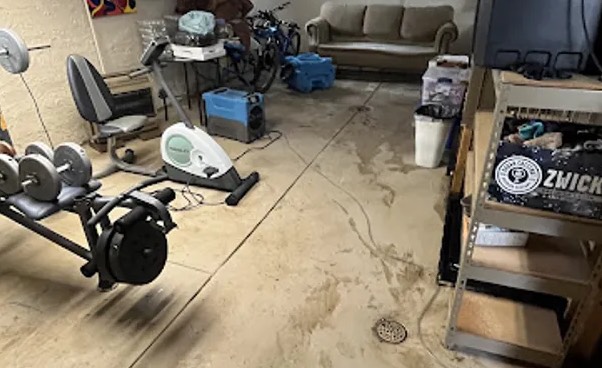
Local Warehouse Restoration Experts Serving Great Falls
Water in a warehouse can stop operations, ruin inventory and lead to mold. Local pros extract the flood water and dry the structure to industry standards.
In Great Falls, warehouse floods need large-volume extraction and drying. Local pros dry and clean the building, including mold removal, and also serve Fort Lawn, Richburg and Lancaster.
Detailed Warehouse Water Damage Restoration Offerings in Great Falls
Warehouse Floor Water Removal
Pros use equipment made for concrete and epoxy coatings to extract trapped moisture and dry the floor in Great Falls.
Warehouse Flood Water Extraction
High-volume extractors clear standing water from large warehouse floors fast. Local water damage pros in Great Falls work to protect stock and the structure.
Warehouse Inventory Water Damage
Pros in Great Falls sort pallets and items into those that can be dried, those that need freeze-drying and total losses, and document it all for your insurance claim.
Warehouse Water Damage Cleanup
The final warehouse cleanup involves sanitizing and deodorizing the restored space. Floors and surfaces are cleaned to remove residues and odors.
Warehouse Leak Detection Repair
Identifying the leak source is the first step in solving warehouse water damage. A thorough inspection of the building envelope and systems is conducted.
Common Red Flags for Warehouse Water Damage Restoration
Musty Odors in the Space
A persistent earthy smell often means hidden moisture and potential mold in a warehouse.
Peeling Paint or Rust
Paint blistering or accelerated rust on structural steel are clear signs of excess warehouse moisture.
Warped or Buckling Floors
A curling slab or failing epoxy coating points to moisture under the floor.
Visible Mold Growth
Dark spots on walls, ceilings or goods point to a moisture problem and possible mold.
How Warehouse Water Damage Restoration Works in Great Falls
Step 1: Initial Damage Assessment
The experts assess the extent of warehouse flood damage, documenting all affected areas, inventory, and structural elements.
Step 2: Bulk Water and Moisture Removal
All visible water is extracted, followed by targeted warehouse moisture removal from concrete and building materials using penetrating drying systems.
Step 3: Content Restoration and Salvage
Warehouse inventory water damage is addressed; pallets and goods are triaged for salvage, cleaning, or specialized drying protocols.
Step 4: Monitoring to Completion
Equipment monitors dryness levels until the warehouse meets dry standards. Documentation is provided to support your insurance claim process.
What Causes Warehouse Flooding in Great Falls
Human Error and Accidents
A left-on hose, an overturned tank, or a forklift damaging a pipe can initiate flooding.
Stormwater and Flood Intrusion
Heavy rain can overwhelm drains or seep under doors, leading to warehouse flood damage.
Process Equipment Leaks
Cooling lines, hydraulic systems, or wash-down stations can develop leaks, creating localized water damage.
Foundation or Slab Leaks
Cracks in the slab or foundation walls let groundwater seep into the warehouse.
Warehouse Water Damage Restoration for Great Falls Businesses
Residential Water Damage Restoration
A flooded home workshop with power tools and materials requires the thorough moisture removal approach of the experts to dry the space and prevent warping or rust damage to equipment.
Warehouse Water Damage Restoration
Property managers need concrete slabs dried to avoid flooring and moisture problems later. Moisture maps and readings also support the insurance claim.
When to Hire Local Experts for Warehouse Water Damage Restoration
Improving ventilation by opening doors and using fans can help with mild humidity. For serious warehouse moisture removal after a flood, this is insufficient and can spread contaminants; structured drying with air movers and dehumidifiers is needed.
Understanding Warehouse Water Damage Restoration Cost in Great Falls
Warehouse drying services cost is shaped by the required runtime of industrial dehumidifiers and air movers, plus whether temporary containment structures are necessary to manage the drying environment.
Inventory and Equipment Damage
Costs go up when stored goods or machinery got wet and need drying, cleaning or corrosion control.
Emergency Service Timing
A 24/7 response outside standard hours may involve different service rates compared to a scheduled appointment during business hours.
Mold Remediation Needs
If secondary mold growth is present, the project scope expands to include containment, removal, and air scrubbing, adding to the cost.
Does Insurance Cover Warehouse Water Damage Restoration?
For warehouse flood damage, ask your insurer whether the policy covers business interruption, damaged inventory or equipment replacement. The pros document all damage with photos and moisture readings.
The Value of Local Experts
Moisture Documentation
Detailed logs of moisture readings before, during, and after restoration provide a clear record for your reference and any insurance requirements.
24/7 Emergency Response
Quick action is critical for warehouse water damage; the pros are available around the clock to begin mitigating the loss.
Structural Drying Expertise
Proper warehouse structural drying protects the building's integrity by removing moisture from concrete slabs, steel frames, and wall cavities effectively.
Warehouse Water Damage Restoration Help Available 24/7
Moisture in a warehouse can damage the structure, ruin stock and grow mold. Call (803) 941-5983 24/7 for the pros to start drying.
Call Now (803) 941-5983Areas Served for Warehouse Water Damage Restoration Near Great Falls
Local warehouse water damage restoration is available for properties in Great Falls, along with nearby places like Fort Lawn, Richburg and Lancaster, providing industrial-scale flood response.
- Warehouse Water Damage Restoration in Fort Lawn
- Warehouse Water Damage Restoration in Richburg
- Warehouse Water Damage Restoration in Lancaster
- Warehouse Water Damage Restoration in Heath Springs
- Warehouse Water Damage Restoration in Winnsboro
- Warehouse Water Damage Restoration in Ridgeway
- Warehouse Water Damage Restoration in Chester
- Warehouse Water Damage Restoration in Kershaw
- Emergency Damage Restoration in 29055
- Storm Damage Restoration in 29055
- Water Damage Restoration in 29055
- Water Extraction Service in 29055
- Water Leak Detection in 29055
- Water Removal Service in 29055
Warehouse Water Damage Restoration FAQs
Does warehouse water damage always lead to mold?
Not always, but mold spores are everywhere; and thorough drying is the most effective way to help prevent them from germinating and growing.
Why is quick action crucial for warehouse water removal?
The longer water sits, the deeper it penetrates concrete, drywall, and stored goods. This increases damage to inventory, equipment, and the building's structural components over time.
What is the goal of warehouse moisture removal?
To return building materials to normal dry readings, measured with moisture meters, so they do not decay or grow mold.
What causes warehouse leaks needing detection and repair?
Common sources include roof failures, compromised siding or cladding, sealant failures around doors and loading docks, or plumbing issues within the warehouse's utility infrastructure.
How fast should warehouse flood damage be addressed?
Quick action is critical to minimize structural warping, inventory loss, and mold growth; water removal should begin within the first 24 hours.