Great Falls, SC · Chester County
Basement Water Removal in Great Falls, SCBasement Moisture Inspection & Emergency Basement Flooding
Get basement water removal in Great Falls for emergency basement flooding, basement water pump out and basement floor water damage.
Answered 24/7
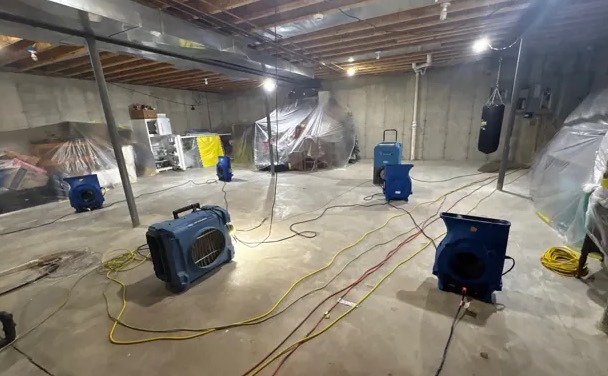
Reliable Basement Water Removal Near Great Falls, South Carolina
In Great Falls homes with a basement or below-grade room, water usually comes from storms, sewer backups or plumbing leaks overhead. The source decides how the water is handled and what can be saved.
Homeowners in Great Falls can call (803) 941-5983 day or night when the basement is taking on water. Service also covers Fort Lawn, Richburg and Lancaster, with the same pumping and drying steps.
The Basement Water Removal Process in Great Falls
Basement Moisture Inspection
An inspection shows how high water wicked up the walls and how far it spread under flooring, which sets the drying plan.
Emergency Basement Flooding
A flooded basement threatens the furnace, water heater and anything stored on the floor. Fast pumping protects what can still be saved.
Basement Dehumidification
Dehumidifiers run continuously during drying, and their output is checked to track how much water is still coming out of the materials.
Basement Wall Drying
Basement walls are checked with moisture meters. Wet drywall is cut back above the water line, and insulation behind it is removed.
Basement Floor Water Damage
Flooring that buckled or swelled is removed. Tile and sealed concrete can often be cleaned and dried in place.
Warning Signs You Need Basement Water Removal
Mold or Mildew
Dark spots on drywall, framing or stored items mean the area has stayed wet for days.
Wet or Damp Basement Walls
Basement walls that look dark, feel damp or show tide lines are taking on or holding water.
Water Stains on Walls or Ceiling
Stains on lower walls or the ceiling below a bathroom or kitchen point to a leak.
Sump Pump Failure or Overflow
A sump pit that is full, overflowing or has a pump that will not start means water is about to spread.
How Basement Water Removal Works in Great Falls
Step 1: First Call and Initial Assessment
The source, the type of water and the depth are checked, and the water level is photographed.
Step 2: Bulk Water and Contaminant Removal
Pumps remove standing water, and carpet, pad or drywall touched by dirty water is removed.
Step 3: Drying With Monitoring
Dehumidifiers and air movers run around the clock, with readings logged every day on walls and slab.
Step 4: Post-Drying Evaluation and Documentation
Final readings and photos are compiled to show the basement is dry and what was removed.
Sources of Basement Water Problems
Improper Landscape Grading
Soil that slopes toward the house directs rainwater straight to the basement walls.
Appliance Malfunctions and Overflows
Washers, utility sinks and water softeners in the basement can overflow or leak.
Plumbing Leaks or Pipe Bursts
Supply lines, drain pipes and water heaters in the basement can leak or burst onto the floor.
Clogged or Damaged Gutters
Clogged gutters and short downspouts dump roof water right next to the foundation.
House and Business Basement Water Removal in Great Falls
Residential Basement Water Removal
Finished basements used as bedrooms or family rooms need careful moisture checks behind walls and under flooring, since that is where water hides.
Commercial Basement Water Removal
Businesses with below-grade storage need wet inventory moved out and documented. Drying is planned around daily operations wherever possible.
Basement Water Removal vs. DIY: When to Call the Pros
Checking appliance hoses and extending downspouts away from the house are good DIY steps before storm season. Once the basement floods, call (803) 941-5983 for help.
Basement Water Removal Cost in Great Falls, SC
A basement pumped out the same day in Great Falls usually needs less drywall and flooring replaced than one left wet for days.
Water Depth and Volume
Deeper water takes more pumping time and usually means more materials got wet.
Time of Service
Night, weekend and storm calls can cost more than a scheduled weekday visit.
Access and Complexity
Narrow stairs, low ceilings and crowded storage areas make the work slower and longer.
Does Insurance Cover Basement Water Removal?
Photos, moisture readings and drying logs from local water extraction experts help support an insurance claim for basement water damage in Great Falls.
Why Great Falls Homeowners Trust Local Pros for Basement Water Removal
Focus on Drying Outcomes
Drying continues until readings are normal, not just until surfaces look dry.
24/7 Emergency Response
Help is available day or night when water is rising in the basement.
Post-Service Moisture Verification
Final readings are recorded before equipment leaves, so you know the basement is dry.
24/7 Basement Water Removal When You Need It
Basement taking on water in Great Falls? Make power safe if you can, move what you can and call (803) 941-5983. Help is available 24/7.
Call Now (803) 941-5983Communities Served for Basement Water Removal
Basement water removal also covers homes and buildings in Fort Lawn, Richburg and Lancaster, close to Great Falls, day or night.
- Basement Water Removal in Fort Lawn
- Basement Water Removal in Richburg
- Basement Water Removal in Lancaster
- Basement Water Removal in Heath Springs
- Basement Water Removal in Winnsboro
- Basement Water Removal in Ridgeway
- Basement Water Removal in Chester
- Basement Water Removal in Kershaw
- Emergency Damage Restoration in 29055
- Storm Damage Restoration in 29055
- Water Damage Restoration in 29055
- Water Extraction Service in 29055
- Water Leak Detection in 29055
- Water Removal Service in 29055
Answers to Top Basement Water Removal Queries
Why is basement dehumidification important after pumping?
Walls and concrete keep releasing moisture for days. Dehumidifiers remove it so the basement does not stay damp.
Is a sump pump failure an emergency?
Yes, especially during rain. Groundwater can rise quickly once the pump stops, flooding the floor and finished rooms.
What causes basement floor water damage?
Storm seepage, burst pipes, appliance leaks, foundation cracks and sewer backups through floor drains are the usual sources.
How does a basement moisture inspection work?
Moisture meters and thermal cameras check walls, floors and the slab, including behind finished walls and under flooring.
How is contaminated water handled in a basement?
With protective gear, containment, removal of porous materials and disinfection of hard surfaces before drying.