Lancaster, SC · Lancaster County
Basement Water Removal in Lancaster, SCBasement Dehumidification & Basement Floor Water Damage
Basement Water Removal in Lancaster includes basement water pump out, basement drying services and basement moisture inspection.
Answered 24/7
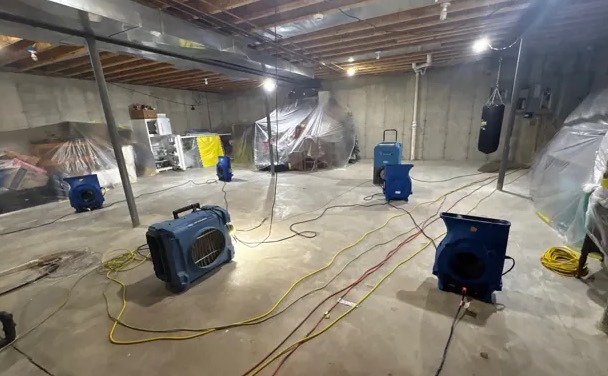
Local Basement Water Removal Services for Lancaster
A wet basement gets worse every hour the water stays. In Lancaster, water on a basement floor wicks up drywall, soaks carpet pad and seeps into the concrete, and cool below-grade air keeps it from drying on its own.
Homeowners in Lancaster can call (803) 941-5983 day or night when the basement is taking on water. Service also covers Fort Lawn, Heath Springs and Great Falls, with the same pumping and drying steps.
Specialized Basement Water Removal for Lancaster
Basement Dehumidification
Dehumidifiers run continuously during drying, and their output is checked to track how much water is still coming out of the materials.
Basement Floor Water Damage
Flooring that buckled or swelled is removed. Tile and sealed concrete can often be cleaned and dried in place.
Basement Moisture Inspection
Readings are recorded at each visit, giving you and your insurer a clear record of the drying.
Basement Drying Services
Equipment stays until the basement reads dry, not just until it looks dry. Removing it early lets dampness return.
Basement Wall Drying
Opening the bottom of finished walls lets air reach the studs and sill plate, which otherwise stay wet behind the drywall.
Warning Signs You Need Basement Water Removal
Sump Pump Failure or Overflow
A sump pit that is full, overflowing or has a pump that will not start means water is about to spread.
Standing Water in Basement
Standing water anywhere on the basement floor needs to be pumped out before it soaks the walls.
Rusted Appliances or Furniture
Rust on appliance bases, furniture legs or metal shelving points to standing water or long-term dampness.
Musty Odors and Mold Smell
A musty or damp smell in the basement points to wet materials hidden somewhere in the space.
How Basement Water Removal Works in Lancaster
Step 1: Emergency Water Extraction
Power is made safe, then pumps and extractors remove standing water from the basement floor.
Step 2: Detailed Moisture Inspection
Meters map wet walls, framing and slab areas, including behind finished walls and under flooring.
Step 3: Drying and Dehumidification
Air movers and large dehumidifiers run continuously, with readings checked every day.
Step 4: Final Verification and Monitoring
Readings are compared to dry areas, and equipment is removed only when the basement tests dry.
Why Basements Flood in Lancaster
High Water Table and Hydrostatic Pressure
A high water table presses groundwater against the slab and walls, forcing it inside.
Improper Landscape Grading
Soil that slopes toward the house directs rainwater straight to the basement walls.
Clogged or Damaged Gutters
Clogged gutters and short downspouts dump roof water right next to the foundation.
Appliance Malfunctions and Overflows
Washers, utility sinks and water softeners in the basement can overflow or leak.
House and Business Basement Water Removal in Lancaster
Residential Basement Water Removal
Finished basements used as bedrooms or family rooms need careful moisture checks behind walls and under flooring, since that is where water hides.
Commercial Basement Water Removal
Businesses with below-grade storage need wet inventory moved out and documented. Drying is planned around daily operations wherever possible.
Basement Water Removal vs. DIY: When to Call the Pros
A small puddle on bare concrete can be handled with a wet vac, towels and a dehumidifier. Call local basement water removal pros if water reached carpet, drywall or framing, or covers much of the floor.
Basement Water Removal Cost in Lancaster, SC
The cost of basement water removal in Lancaster depends on how deep the water is, what type of water it is and how much finished material has to come out.
Drying Time Required
Basements dry slowly, and each extra day of equipment adds to the total.
Contamination Level
Sewage or dirty water needs protective gear, removal and disinfection, which costs more.
Water Depth and Volume
Deeper water takes more pumping time and usually means more materials got wet.
Does Insurance Cover Basement Water Removal?
Many homeowner policies cover sudden basement water from a burst pipe but not groundwater seepage. Sewer backup coverage is often an add-on, so check yours.
Advantages of Local Basement Water Removal Experts
Industry Drying Standards
Water removal and drying follow industry water damage standards, with readings at every visit.
Focus on Drying Outcomes
Drying continues until readings are normal, not just until surfaces look dry.
24/7 Emergency Response
Help is available day or night when water is rising in the basement.
Emergency Basement Flood Response in Lancaster
Standing water in a basement soaks walls and floors by the hour. Call (803) 941-5983 for basement water removal in Lancaster at any time, day or night.
Call Now (803) 941-5983Basement Water Removal Serving Lancaster and Surroundings
The places below are also served, and each one has its own page.
- Basement Water Removal in Fort Lawn
- Basement Water Removal in Heath Springs
- Basement Water Removal in Great Falls
- Basement Water Removal in Richburg
- Basement Water Removal in Kershaw
- Basement Water Removal in Chester
- Basement Water Removal in Bethune
- Basement Water Removal in Ridgeway
- Emergency Damage Restoration in 29720
- Storm Damage Restoration in 29720
- Water Damage Restoration in 29720
- Water Extraction Service in 29720
- Water Leak Detection in 29720
- Water Removal Service in 29720
- Emergency Damage Restoration in 29721
- Storm Damage Restoration in 29721
Answers to Top Basement Water Removal Queries
Is a sump pump failure an emergency?
Yes, especially during rain. Groundwater can rise quickly once the pump stops, flooding the floor and finished rooms.
What is involved in basement water removal?
Making power safe, pumping out standing water, extracting floors and carpet, removing soaked materials and dehumidifying until dry.
Why is fast water removal so important for basements?
Basements dry slowly, so every hour of standing water adds drying days and more materials to replace.
Does basement flood cleanup include mold prevention?
Fast drying is the main prevention. Wood and concrete that stayed wet can be treated with an antimicrobial once dry.
What is emergency basement flooding response?
Help any hour to make power safe, stop the source, pump out water and start drying before more damage sets in.