Cross Anchor, SC · Spartanburg County
Attic Water Extraction in Cross Anchor, SCAttic Leak Water Cleanup & Ceiling Water Damage Cleanup
Attic Water Extraction in Cross Anchor covers attic leak water cleanup, wet attic insulation removal and attic drying services.
Answered 24/7
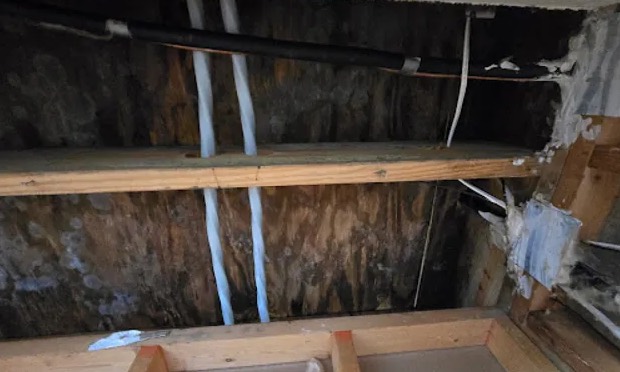
Attic Water Extraction Solutions in Cross Anchor, South Carolina
In Cross Anchor, the first sign of attic water is often a brown stain or a bulge in an upstairs ceiling. By then, insulation above it may already be soaked and holding water against the drywall.
A storm in Cross Anchor can push water into an attic in one night. Local water removal experts serve Cross Anchor and nearby Enoree, Buffalo and Clinton, with extraction available around the clock.
The Attic Water Extraction Process for Properties in Cross Anchor
Attic Leak Water Cleanup
Wet nails, straps and vent flanges are wiped down, and soaked boxes or stored items are moved out of the attic.
Ceiling Water Damage Cleanup
The ceiling under a wet attic is checked with a meter. Damp drywall may dry in place, while sagging drywall is drained and removed.
Wet Attic Insulation Removal
Soaked insulation holds water like a sponge and keeps the ceiling below wet. It is bagged and removed so the area underneath can dry.
Emergency Attic Water Extraction
Emergency extraction in an attic starts with catching active drips, then pulling pooled water from between joists with wet vacs and pumps.
Attic Mold Prevention
Moisture sources such as a bath fan venting into the attic are noted, since they keep the attic damp after the leak is fixed.
Detecting the Need for Attic Water Extraction in Your Attic
Peeling Paint or Wallpaper
Paint that bubbles or peels on upstairs ceilings often has water behind it.
Insect Infestations in Attic
Wet wood draws insects, so new activity in the attic can be a sign of an ongoing leak.
Rotting Wood in Attic
Soft or crumbling wood in the attic, especially around vents and valleys, points to long-term leaks.
Puddles or Standing Water
Pooled water on the attic floor or on top of drywall needs extraction right away.
How Attic Water Extraction Works in Cross Anchor
Step 1: Safety Assessment and Water Containment
Wet fixtures are shut off, the room below is protected and buckets catch active drips.
Step 2: Bulk Water Extraction
Wet vacs and pumps remove standing water from between joists and on top of the drywall.
Step 3: Targeted Drying of Affected Materials
Airflow is aimed at the wettest wood and drywall, and equipment is moved as areas dry.
Step 4: Documentation for Restoration
Photos, readings and a list of removed materials are prepared for insurance and repairs.
Why Attics Need Water Extraction in Cross Anchor
HVAC System Condensate Overflow
AC air handlers in the attic overflow when the condensate line clogs or the pan cracks.
Skylight or Chimney Flashing Failure
Worn flashing around skylights and chimneys lets rain run down into the attic.
Roof Leaks From Storm Damage
Wind and hail can lift or break shingles, letting rain reach the decking and the attic floor.
Attic Appliance Malfunction
Water heaters, humidifiers and other attic equipment can fail and leak with no warning.
Attic Water Extraction for All Properties in Cross Anchor
Residential Attic Water Extraction
In townhomes and condos, attic leaks can cross into a neighbor's space. Clear photos and readings help sort out repairs with the association.
Commercial Attic Water Extraction
Property managers get records for each affected unit or suite, which helps with roof repair planning and insurance claims.
Why DIY Attic Water Extraction Often Fails in Cross Anchor
A bulging ceiling can drop without warning. Keep everyone out of the room below, put a bucket nearby and call local water removal experts to drain it safely.
What Influences Attic Water Extraction Cost in Cross Anchor
In Cross Anchor, insulation removal and replacement are often the largest part of an attic job, along with drying equipment and ceiling repair.
Type of Water Involved
Clean rainwater is simpler to remove than water from a drain line or a dirty source.
Access and Complexity
Low headroom, tight access hatches and narrow joists make the work slower.
Material Removal Needs
Wet insulation and ceiling drywall that must be removed add labor and disposal costs.
Does Insurance Cover Attic Water Extraction?
Damage to the ceiling and rooms below an attic leak is usually part of the same claim. Show the adjuster both spaces.
Why Choose Local Pros for Attic Water Extraction in Cross Anchor
Mold Prevention Focus
Fast drying of attic wood is the main way to limit microbial growth after a leak.
Wet Insulation Handling
Wet insulation is bagged and removed without spreading debris into the living space.
24/7 Emergency Response
Help is available day or night when a storm or burst pipe puts water in the attic.
Urgent Attic Water Extraction Available in Cross Anchor
The longer insulation stays wet, the more ceiling has to be replaced. Call (803) 941-5983 for attic water extraction in Cross Anchor as soon as you see a drip.
Call Now (803) 941-5983Attic Water Extraction Coverage in Cross Anchor, Enoree, Buffalo and Clinton
Besides Cross Anchor, the experts remove attic water, wet insulation and soaked ceilings in nearby Enoree, Buffalo and Clinton.
- Attic Water Extraction in Enoree
- Attic Water Extraction in Buffalo
- Attic Water Extraction in Clinton
- Attic Water Extraction in Woodruff
- Attic Water Extraction in Laurens
- Attic Water Extraction in Monarch Mill
- Attic Water Extraction in Union
- Attic Water Extraction in Gray Court
- Emergency Damage Restoration in 29331
- Storm Damage Restoration in 29331
- Water Damage Restoration in 29331
- Water Extraction Service in 29331
- Water Leak Detection in 29331
- Water Removal Service in 29331
Attic Water Extraction FAQs for Cross Anchor Homeowners
Why is a moisture inspection important after extraction?
Extraction removes pooled water, but wood and drywall stay wet inside. Meters show what still needs drying.
What causes attic water damage?
Roof leaks, attic plumbing failures, overflowing AC drain pans, poor ventilation and bath fans venting into the attic.
What is involved in professional attic water extraction?
Catching drips, vacuuming pooled water from decking and drywall tops, removing soaked insulation and drying the framing and ceiling below.
How does roof repair relate to attic water extraction?
The roof must be fixed or tarped to stop new water. Extraction and drying deal with the water already inside.
Can I remove attic water myself?
Small drips onto plastic can be handled, but pooled water and soaked insulation need safe footing, equipment and drying.