Monarch Mill, SC · Union County
Attic Water Extraction in Monarch Mill, SCAttic Leak Water Cleanup & Attic Mold Prevention
Attic Water Extraction in Monarch Mill runs from attic leak water cleanup and attic drying services to ceiling water damage cleanup.
Answered 24/7
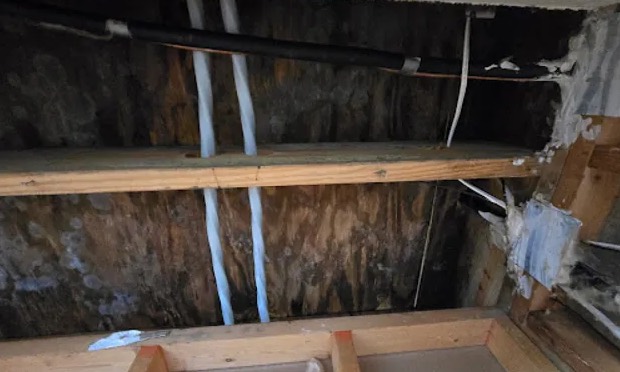
Local Attic Water Extraction Services in Union County
Water in an attic has only one place to go: down through the ceiling. In Monarch Mill, a roof leak, a burst attic pipe or an overflowing AC pan can put water on top of the ceiling drywall, where it soaks in and starts to sag.
Homeowners in Monarch Mill can call (803) 941-5983 day or night when water is coming through the ceiling. Service also covers Union, Buffalo and Lockhart, with the same extraction and drying steps.
The Attic Water Extraction Process for Properties in Monarch Mill
Attic Leak Water Cleanup
Water from a roof or plumbing leak usually runs along rafters before it drips. Cleanup follows that path and removes water wherever it pooled.
Attic Mold Prevention
Once wood is dry, roof decking and rafters that stayed wet can be treated with an antimicrobial to slow microbial growth.
Attic Moisture Inspection
The inspection maps where the water went from the leak point, which decides what is extracted, removed or dried in place.
Attic Drying Services
Air movers and dehumidifiers are set on boards across the joists to dry rafters, decking and the ceiling below safely.
Roof Leak Water Removal
Roof leaks often show up far from where they start. Moisture meters trace the water back along the decking to its entry point.
Warning Signs You Need Attic Water Extraction in Monarch Mill
Water Dripping From Light Fixtures
Water dripping from a ceiling light or fan is a sign of an active leak above. Turn off that circuit.
Damp Attic Insulation
Insulation that feels damp, looks matted or has dark patches has been soaking up water.
Visible Mold in Attic
Dark spots on rafters or decking mean the wood has stayed damp for some time.
Rotting Wood in Attic
Soft or crumbling wood in the attic, especially around vents and valleys, points to long-term leaks.
How Attic Water Extraction Works in Monarch Mill
Step 1: Attic Leak Source Identification
The pros trace the water to the roof, a pipe or the AC pan and stop it with a tarp or shut-off.
Step 2: Flooded Attic Cleanup
Water, wet debris and fallen insulation are removed, and stored items are moved out of the attic.
Step 3: Structural Drying Setup
Equipment is placed to dry the framing and decking, with the room below checked and dried too.
Step 4: Attic Mold Prevention Treatment
Once dry, wood that stayed wet for days can be cleaned and treated with an antimicrobial.
Common Causes of Attic Water Damage in Monarch Mill
Skylight or Chimney Flashing Failure
Worn flashing around skylights and chimneys lets rain run down into the attic.
Plumbing Leaks in Attic
Supply lines and water heaters in the attic can leak or burst onto the ceiling below.
Gutter and Downspout Blockages
Clogged gutters and downspouts let water back up under the roof edge.
Aging or Deteriorated Roofing Materials
Old, curled or cracked shingles and worn underlayment let water through during heavy rain.
Residential & Commercial Attic Water Extraction in Monarch Mill
Residential Attic Water Extraction
At home, attic water usually ends up on a bedroom or hallway ceiling. Water is extracted from above, wet insulation removed and the ceiling below dried or replaced.
Commercial Attic Water Extraction
In commercial buildings, water above a drop ceiling soaks tiles and insulation across several rooms. Wet tiles come down and the space above them is extracted and dried.
Attic Water Extraction vs. DIY: When to Call the Pros
Patching the roof stops new water, but the attic stays wet underneath. After any roof repair, have the insulation and decking checked for leftover moisture.
The Cost of Attic Water Extraction in Monarch Mill
Roof repair is billed separately from extraction and drying. In Monarch Mill, both are needed after most roof leaks.
Type of Water Involved
Clean rainwater is simpler to remove than water from a drain line or a dirty source.
Size of the Affected Area
A leak that spread across the whole attic costs more than one confined to a single bay.
Required Drying Time
Dense framing and decking can take several days to dry, adding equipment time.
Does Insurance Cover Attic Water Extraction?
Many homeowner policies cover sudden storm damage and burst pipes in the attic, but not leaks from worn roofing or poor upkeep. Read your policy and call your insurer early.
Why Choose Local Pros for Attic Water Extraction in Monarch Mill
24/7 Emergency Response
Help is available day or night when a storm or burst pipe puts water in the attic.
Roof Leak Location
The leak point is marked and photographed so the roofer can fix the right spot.
Attic Drying
Framing, decking and the ceiling below are all dried, not just the spot under the leak.
Emergency Attic Water Extraction Response in Monarch Mill, SC
Night, weekend or holiday, local water damage pros handle attic water in Monarch Mill. Call (803) 941-5983 to get the water out and the ceiling protected.
Call Now (803) 941-5983Attic Water Extraction for Monarch Mill and Surrounding Communities
Besides Monarch Mill, local water damage pros remove attic water, wet insulation and soaked ceilings in nearby Union, Buffalo and Lockhart.
Frequently Asked Questions About Attic Water Extraction
Why is a moisture inspection important after extraction?
Extraction removes pooled water, but wood and drywall stay wet inside. Meters show what still needs drying.
How does roof repair relate to attic water extraction?
The roof must be fixed or tarped to stop new water. Extraction and drying deal with the water already inside.
What happens during ceiling water damage cleanup?
Water in the ceiling is drained, sagging drywall is removed, debris is cleared and the cavity is dried before repairs.
Why is wet insulation removal often necessary?
Soaked insulation stays wet for a long time, adds weight to the ceiling and loses its insulating value.
What is the purpose of attic mold prevention?
To slow microbial growth on wood that stayed wet, by drying it quickly and treating it with an antimicrobial if needed.