Johnston, SC · Edgefield County
Tile Floor Water Damage Restoration in Johnston, SCTile Floor Water Damage Repair & Wet Tile Floor Cleanup
Tile Floor Water Damage Restoration in Johnston starts with tile floor water extraction, wet tile floor cleanup, and tile floor water damage repair.
Answered 24/7
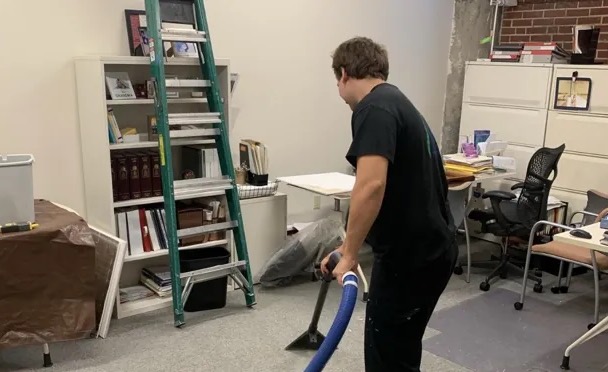
Local Tile Floor Water Damage Restoration Services for Johnston Homes
For homes in Johnston, tile floor water damage can be deceptive, with surface water evaporating while moisture remains underneath. A professional tile floor moisture inspection reveals the true scope of the water intrusion.
Across Johnston and nearby places like Edgefield, Ridge Spring and Saluda, water damaged tile floors need expert care to restore their appearance and function. The tile floor water damage cost can escalate if moisture isn't fully removed.
Comprehensive Tile Floor Water Damage Restoration for Johnston
Tile Floor Water Damage Repair
Not every water-damaged tile needs replacing. Pros can often repair the grout and re-secure loose tiles, which saves time and money.
Wet Tile Floor Cleanup
Cleanup involves removing debris and sanitizing tile and grout. This eliminates contaminants from the water for any Johnston residence.
Flooded Tile Floor Restoration
Restoring a flooded tile floor involves addressing both surface and subsurface damage. Specialists work methodically to mitigate loss, dry all materials, and execute necessary repairs.
Water Under Tile Flooring Removal
Pros choose the least invasive way to get water out from under the tile and dry the area fully, which protects the subfloor from failing.
Tile Floor Mold Prevention
Preventing mold growth requires thorough drying of the entire tile assembly. Appropriate treatments are then applied to tile and grout surfaces.
Warning Signs You Need Tile Floor Water Damage Restoration
Increased Humidity in the Room
A noticeable spike in room humidity, often near a tiled area, suggests evaporating moisture from a hidden leak. This warrants a professional tile floor water damage inspection.
Mold Spots on Grout Lines
Black, green or gray specks along grout lines are mold, which means moisture is staying in the floor.
Grout Crumbling Away
Grout that cracks, crumbles or falls out between tiles often means water is getting underneath.
Tile Floor Discoloration
Water damaged tile floors often show dark spots or light patches where moisture has altered the surface. This discoloration is a clear warning sign of ongoing moisture issues.
How Tile Floor Water Damage Restoration Works in Johnston
Step 1: Containment and Extraction
To prevent cross-contamination, the work area is isolated. Then, focused tile floor water extraction removes all liquid water from the surface and crevices.
Step 2: Deep Moisture Detection
Pros use moisture sensors to find water under the tile that you cannot see.
Step 3: Targeted Drying Strategy
Air movers and dehumidifiers are set up in a layout planned for the affected floor.
Step 4: Antimicrobial Application
To support tile floor mold prevention, EPA-registered antimicrobial agents are applied to the subfloor and grout lines where moisture was present.
What Leads to Tile Floor Water Damage Restoration Needs
Slab Foundation Moisture Wicking
In homes on slab foundations, ground moisture can wick up through the concrete and into the tile installation, causing persistent tile floor moisture issues.
Plumbing Pipe Leaks
A leaking supply line, drain pipe, or fitting beneath a tile floor can release a steady flow of water, leading to widespread tile floor water damage.
Appliance Leaks and Malfunctions
Dishwashers, washing machines, water heaters, and refrigerators with ice makers can leak slowly, saturating the subfloor beneath adjacent tile flooring over time.
Window or Door Seal Failure
Failed seals around windows or exterior doors let rain in to pool on interior tile floors.
Tile Floor Water Damage Restoration for Homes and Businesses in Johnston
Residential Tile Floor Water Damage Restoration
Homeowners face tile floor water damage from appliance leaks, toilet overflows, and plumbing failures. The restoration process involves careful tile floor moisture inspection to map the damage, followed by targeted drying to save the installation.
Commercial Tile Floor Water Damage Restoration
Restaurants, gyms and clinics need tile floors dried quickly. Local water damage restoration pros use commercial equipment to pull moisture from under the tile so the space can reopen.
Tile Floor Water Damage Restoration vs. DIY: When to Call Local Pros
Clean the tile with a mild detergent and avoid harsh chemicals that can damage grout. If you notice a musty odor or mold on grout, stop and call pros.
Understanding Tile Floor Water Damage Restoration Costs in Johnston
Price depends on the drying time, how hard the water is to extract and the size of the affected area.
Tile and Grout Type
Specialized materials like porous stone or intricate grout can complicate the tile floor water damage repair procedure.
Water Source Category
Clean water from a supply line is simpler to address than contaminated flood water, affecting the tile floor cleanup process.
Mold Prevention Needs
If tile floor moisture issues present a mold risk, additional antimicrobial treatments may be part of the restoration cost.
Does Insurance Cover Tile Floor Water Damage Restoration?
Whether insurance covers tile floor water damage repair is a matter for your adjuster. The pros in Johnston provide thorough documentation of the tile floor water extraction and drying process to support your claim.
Advantages of Hiring Water Damage Restoration Pros in Johnston
Thorough Water Extraction
Powerful equipment removes standing water and moisture from grout lines during the wet tile floor cleanup phase.
Mold Prevention Focus
Addressing humidity quickly is part of tile floor mold prevention to safeguard your indoor air quality.
Structural Integrity Consideration
The subfloor is checked before tile repairs, so new tile goes down on a sound base.
Emergency Tile Floor Water Damage Restoration Response for Johnston
Discovering water under tile flooring is an urgent matter. Call (803) 941-5983 for assistance. The pros can respond day or night to inspect and extract.
Call Now (803) 941-5983Tile Floor Water Damage Restoration Service Area Including Johnston
Each place listed below has its own page with local details.
- Tile Floor Water Damage Restoration in Edgefield
- Tile Floor Water Damage Restoration in Ridge Spring
- Tile Floor Water Damage Restoration in Saluda
- Tile Floor Water Damage Restoration in Batesburg-Leesville
- Tile Floor Water Damage Restoration in Aiken
- Tile Floor Water Damage Restoration in North Augusta
- Tile Floor Water Damage Restoration in Belvedere
- Tile Floor Water Damage Restoration in Gilbert
- Emergency Damage Restoration in 29832
- Storm Damage Restoration in 29832
- Water Damage Restoration in 29832
- Water Extraction Service in 29832
- Water Leak Detection in 29832
- Water Removal Service in 29832
Tile Floor Water Damage Restoration FAQ for Johnston Residents
What is the goal of flooded tile floor restoration?
The aim is to return the floor to its pre-loss condition, both how it looks and how solid it is.
What tools are used for tile floor water damage inspection?
Inspections utilize tools like moisture meters, hygrometers, thermal imaging cameras, and sometimes borescopes to accurately assess both visible and concealed water damage within the flooring assembly.
What causes tile floor moisture issues?
Common causes include appliance leaks like from dishwashers, plumbing failures such as burst pipes, overflow incidents from sinks or tubs, or groundwater intrusion through cracks in the foundation.
How is a tile floor moisture inspection conducted?
Pros use non-invasive moisture meters and thermal imaging to detect hidden dampness in the tile, grout, and the underlying substrate.
What are tile floor drying services?
These services use industrial air movers and dehumidifiers in a calculated layout to evaporate and remove moisture from the tile assembly.