Johnston, SC · Edgefield County
AC Unit Water Removal in Johnston, SCAC Drain Pan Water Extraction & Air Conditioner Restoration Services
AC Unit Water Removal in Johnston runs from emergency AC water removal and AC leak water cleanup to air conditioner restoration services.
Answered 24/7
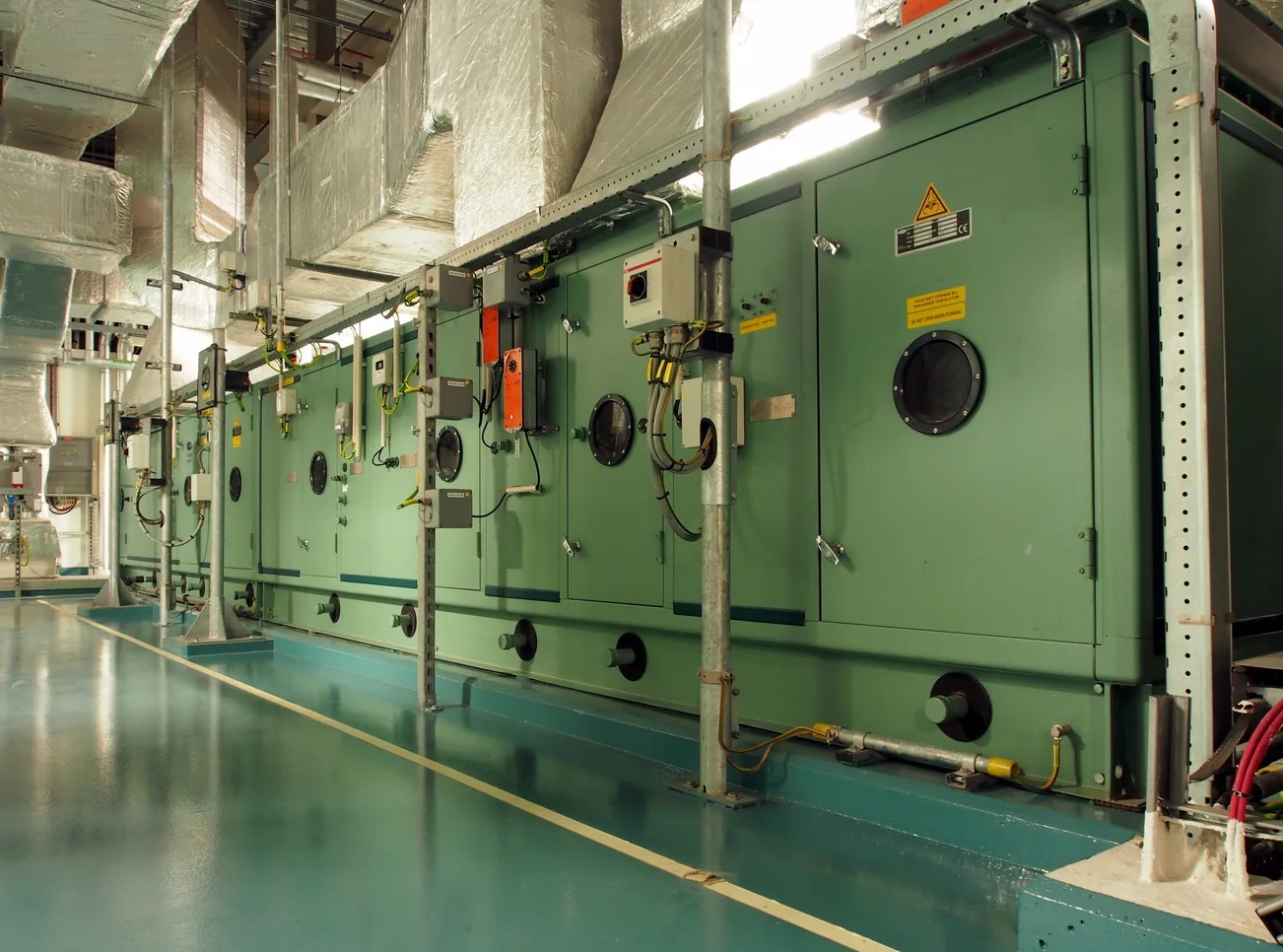
Local AC Unit Water Removal Services in Johnston, South Carolina
A leaking AC unit in Johnston can wet drywall, carpet and electrical parts within hours. Water that sits for more than a day or two also raises the risk of microbial growth on wood and paper-faced drywall.
Property owners in Johnston can call (803) 941-5983 day or night when an air handler starts leaking. Service also covers Edgefield, Ridge Spring and Saluda, with the same extraction, drain clearing and drying process for attic, closet and garage units in houses, condos and apartments.
The AC Unit Water Removal Process in Johnston, SC
AC Drain Pan Water Extraction
A soaked pan in an attic unit is a ceiling leak waiting to happen. Extracting it quickly protects the drywall underneath.
Air Conditioner Restoration Services
After drying, damaged drywall, trim or ceiling panels near the unit can be replaced and repainted.
AC Condensate Drain Clearing
A clogged condensate line is the most common reason an AC unit leaks. The pros flush out algae and sludge so condensate drains away again.
Emergency AC Water Removal
Help is available day or night for leaks that start after hours, when water dripping from an attic unit cannot wait until morning.
AC Leak Mold Prevention
Antimicrobial treatment is an add-on step after drying, not a substitute for removing wet materials that cannot be saved.
Indicators for Emergency AC Unit Water Removal
Water on the Floor
A puddle around the air handler or furnace closet is the most direct sign of a leak.
High Indoor Humidity Levels
Rooms that feel clammy while the AC runs may mean water is not draining and is evaporating back into the air.
Wet AC Unit Components
Damp coils, a wet blower compartment or moisture around wiring inside the cabinet mean water is collecting where it should not.
Condensation Line Dripping
A condensate line that drips inside instead of outside has a crack, loose fitting or clog.
How AC Unit Water Removal Works in Johnston
Step 1: AC Unit Flood Cleanup
Water is extracted quickly to keep it from soaking into insulation, framing and the ceiling below.
Step 2: Drain Line Diagnosis and Clearing
The drain line is inspected for clogs, sags or loose fittings and cleared so water drains outside.
Step 3: Structural and Unit Drying
Air movers and dehumidifiers run around the unit, with daily moisture checks on walls and floors.
Step 4: System Check and Cleanup
The pan is cleaned, the drain is tested with water and the area is left dry.
Frequent Sources of AC Water Damage
Frozen Evaporator Coils Thawing
A coil that freezes from low airflow sheds a large amount of water at once when it thaws.
Disconnected Drain Line
A drain line knocked loose in the attic or closet empties condensate onto the ceiling or floor.
High Static Pressure in Ducts
Restricted ducts can pull water off the coil and blow it into the cabinet or ductwork.
Clogged AC Condensation Line
Algae and sludge build up in the drain line over a cooling season until water backs up into the pan.
Residential and Commercial AC Unit Water Removal in Johnston
Residential AC Unit Water Removal
For homeowners, the main risk is water soaking into insulation and drywall where no one sees it. Moisture meters find that hidden water so it can be dried before it causes rot.
Commercial AC Unit Water Removal
For property managers, one leaking unit can affect several suites or the floor below. Each wet area is extracted, dried and documented for the owner and insurer.
AC Unit Water Removal vs. DIY: When to Call the Pros
A wet vac on the condensate line outlet clears many simple clogs. If the ceiling below an attic unit is stained or sagging, stay out from under it and call (803) 941-5983 instead of poking holes in it.
What Affects AC Unit Water Removal Expense in Johnston
The cost of AC unit water removal in Johnston depends on how much water leaked, which materials got wet and how long drying takes. A clogged line caught early costs far less than a soaked ceiling.
Documentation Needs
Detailed photos and moisture logs for an insurance claim add some time to the job.
Preventative Treatment Scope
Antimicrobial treatment is an optional step, priced by the size of the area treated.
System Restoration Complexity
Replacing drywall, insulation or trim after drying adds material and labor to the total.
Does Insurance Cover AC Unit Water Removal?
Insurers often ask whether the leak was sudden or ongoing. A record of when the water was found, what it reached and how it was dried helps answer that question.
Benefits of Local Pros for AC Unit Water Removal in Johnston
Focus on Component Preservation
Wet blower motors and wiring are dried gently to lower the risk of corrosion and electrical faults.
Air Conditioner Restoration Focus
Drywall, trim and ceiling repairs can be handled after drying, so one job covers the whole leak.
Leak Source Identification
The pros trace the leak to its source, whether that is a clog, a cracked pan or a failed pump.
24/7 AC Unit Water Removal for Emergencies in Johnston
AC leaking into a ceiling or floor in Johnston? Shut the unit off at the thermostat, move belongings out of the way and call (803) 941-5983. Help is available 24/7.
Call Now (803) 941-5983AC Unit Water Removal Throughout Johnston and Beyond
The places below are also served, and each one has its own page.
- AC Unit Water Removal in Edgefield
- AC Unit Water Removal in Ridge Spring
- AC Unit Water Removal in Saluda
- AC Unit Water Removal in Batesburg-Leesville
- AC Unit Water Removal in Aiken
- AC Unit Water Removal in North Augusta
- AC Unit Water Removal in Belvedere
- AC Unit Water Removal in Gilbert
- Emergency Damage Restoration in 29832
- Storm Damage Restoration in 29832
- Water Damage Restoration in 29832
- Water Extraction Service in 29832
- Water Leak Detection in 29832
- Water Removal Service in 29832
Frequently Asked Questions About AC Unit Water Removal in Johnston
Can an AC condensation leak damage the ceiling?
Yes. Attic units leak straight into the drywall below, causing stains, sagging and eventually collapse if left alone.
Why document AC water damage?
Photos and moisture readings show what got wet and how it was dried, which helps your insurance claim.
What equipment is used to dry AC leak damage?
Extractors, air movers, dehumidifiers and moisture meters, plus wet vacs or pumps for the drain line.
How does antimicrobial treatment help after an AC leak?
Once surfaces are dry, an antimicrobial can be applied to wood and drywall that stayed wet to slow microbial growth.
What is involved in AC unit water removal?
Standing water is extracted, the condensate line is cleared, and wet materials are dried with air movers and dehumidifiers until moisture readings are normal.