Great Falls, SC · Chester County
Sewer Backup Water Removal in Great Falls, SCSewer Line Backup Cleanup & Contaminated Water Removal
Get Sewer Backup Water Removal in Great Falls for sewer backup drying services, biohazard sewage remediation and sewer line backup cleanup.
Answered 24/7
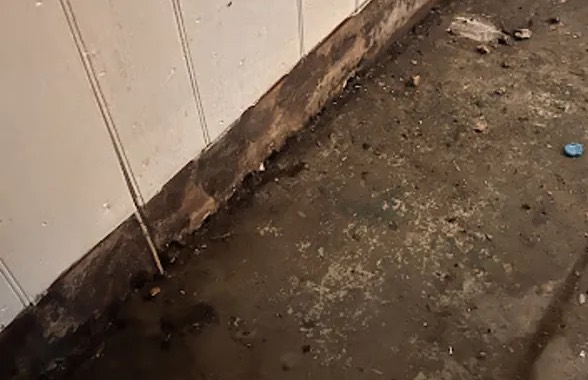
Local Sewer Backup Water Removal for Great Falls, South Carolina
Black water damage restoration requires specialized knowledge and equipment for homes in Great Falls. This category of water damage poses significant biohazards and must be treated with extreme caution. Local restoration pros are trained in the safe handling and disposal of contaminated materials.
In Great Falls and nearby Fort Lawn, Richburg and Lancaster, moisture left after a sewer backup leads to mold and rot. The pros run industrial air movers and dehumidifiers until materials are dry.
Sewer Backup Water Removal Services in Great Falls
Sewer Line Backup Cleanup
A main line backup can push large volumes of sewage into lower levels. The pros extract it and sanitize the flooded rooms.
Contaminated Water Removal
Water carrying sewage or chemicals is removed safely and quickly in Great Falls, with the area contained to keep it from spreading.
Sewer Backup Drywall Removal
Removing wet drywall after a sewer backup eliminates a material that harbors bacteria and moisture. Professionals handle the demolition and bagging for disposal, ensuring the affected area in your Great Falls home is ready for reconstruction.
Sewage Backup Cleanup
A sewer backup leaves germs and organic matter on floors and walls. The pros scrub and disinfect these surfaces to make the rooms safe again.
Emergency Sewer Water Extraction
Immediate sewer water extraction is the first critical step after a backup.
When to Call for Sewer Backup Water Removal in Great Falls
Sewage on Carpet or Flooring
Carpet, pads and furniture that sat in black water hold sewage and germs. They usually need removal, not just cleaning.
Contaminated Water in Home
Gray or black water rising into living spaces from drains is a sewage flood. Stay out of it until it is removed.
Gurgling Drains and Toilets
Bubbling and gurgling from drains and toilets often come before a full sewer backup.
Multiple Drains Backing Up
When sinks, showers and toilets all drain slowly or overflow at once, the main sewer line is probably clogged.
How Sewer Backup Water Removal Works in Great Falls
Step 1: Emergency Contaminated Water Removal
The first job is removing the sewage quickly and safely, before it soaks further.
Step 2: Debris and Damaged Content Removal
All debris and ruined personal property exposed to sewage are removed, a necessary step before drying and sewer backup restoration can begin.
Step 3: Advanced Drying and Dehumidification
High-capacity drying systems work to evaporate trapped moisture from the structure, preventing secondary damage after sewer water extraction.
Step 4: Final Cleaning and Deodorization
The last step involves deep cleaning and deodorizing all remaining surfaces, finalizing the sewage backup cleanup and making the space safe.
What Causes Sewer Backups in Great Falls
Improperly Installed Plumbing
Pipes laid with the wrong slope or poor connections let waste settle and cause repeat backups.
Main Sewer Line Blockages
Tree roots, grease or flushed objects block the main line and force sewage back into the home through the lowest drains.
Frozen or Burst Sewer Pipes
In cold climates, frozen sewer lines can burst and release wastewater into the home.
Sump Pump Failure or Overflow
When a pump fails during a storm, a basement can flood with contaminated water, demanding extraction and drying.
Residential and Commercial Sewer Backup Water Removal in Great Falls
Residential Sewer Backup Water Removal
Homeowners face unique challenges with sewer backups, like contaminated personal belongings and affected finished basements. The sewage damage restoration process includes careful content handling, wet drywall removal, and applying antimicrobial agents to make the home habitable again.
Commercial Sewer Backup Water Removal
In commercial settings, sewer backups often affect large mechanical rooms, restrooms, or storage areas. Black water removal must be thorough to protect electrical systems and equipment.
Risks of DIY Sewer Backup Water Removal
Stay out of the water and shut off power to affected areas if it is safe. Take photos for your insurance claim. Leave the actual sewage removal and handling of soaked materials to pros, because of the health risks.
What Affects Sewer Backup Water Removal Cost in Great Falls
Several factors determine sewer backup water removal cost for a home in Great Falls, including the depth of the backup, the number of rooms impacted, and drying time.
Emergency Response
A 24/7 emergency sewer cleanup call, especially during off-hours, involves mobilization costs for water extraction and damage containment.
Water Category
Category 3 black water from a sewer backup demands stringent safety protocols and specialized cleaning, influencing the overall project cost significantly.
Post-Restoration Verification
Final testing to confirm the area is dry and clean is a separate step with its own cost.
Does Insurance Cover Sewer Backup Water Removal?
For sewage backup cleanup, some policies cover the resulting water damage but not the repair of the sewer line itself. The pros methodically record all affected areas to support a homeowner's insurance claim.
Why Great Falls Homeowners Trust Local Sewer Backup Water Removal Pros
Structural Drying Systems
Industrial air movers and dehumidifiers are deployed to dry wall cavities and subfloors thoroughly, preventing secondary mold damage.
Advanced Extraction Equipment
Powerful truck-mounted or portable extractors are used to remove large volumes of sewer water quickly from floors and carpets.
Contaminated Material Removal
Proper handling and disposal of sewage-saturated porous materials like drywall and insulation is a key step in the cleanup process.
24/7 Sewer Backup Response in Great Falls
Contaminated water from a sewer line failure needs removal before it spreads. Call (803) 941-5983 for emergency sewer water extraction and drying.
Call Now (803) 941-5983Sewer Backup Water Removal Serving Great Falls, Fort Lawn, Richburg and Lancaster
Sewer backup cleanup follows strict safety steps. Local pros provide it in Great Falls and neighboring places like Fort Lawn, Richburg and Lancaster.
- Sewer Backup Water Removal in Fort Lawn
- Sewer Backup Water Removal in Richburg
- Sewer Backup Water Removal in Lancaster
- Sewer Backup Water Removal in Heath Springs
- Sewer Backup Water Removal in Winnsboro
- Sewer Backup Water Removal in Ridgeway
- Sewer Backup Water Removal in Chester
- Sewer Backup Water Removal in Kershaw
- Emergency Damage Restoration in 29055
- Storm Damage Restoration in 29055
- Water Damage Restoration in 29055
- Water Extraction Service in 29055
- Water Leak Detection in 29055
- Water Removal Service in 29055
Frequently Asked Questions About Sewer Backup Water Removal
What is biohazard sewage remediation?
Biohazard sewage remediation is the specialized cleanup and disinfection of areas contaminated with sewage, which is considered a Category 3 biohazardous material.
What is the process for contaminated water removal?
The process for contaminated water removal starts with safety setup, then extraction, followed by affected material removal, antimicrobial application, and structural drying.
How is emergency sewer cleanup different from regular water removal?
Sewer cleanup needs protective gear, careful waste handling and disinfection, because sewage is Category 3 water.
What areas need sewer line backup cleanup?
Sewer line backup cleanup is needed anywhere sewage has flooded, commonly basements, bathrooms, laundry rooms, and any lower-level or ground-floor living spaces.
What does the final step of sewer backup restoration include?
At the end, moisture meters confirm the area is dry, and surfaces are checked to be clean before repairs.