Great Falls, SC · Chester County
Contaminated Water Removal in Great Falls, SCToxic Spill Water Removal & Gray Water Damage Cleanup
For a sewer backup, Contaminated Water Removal in Great Falls means sewage backup water removal, sewage water cleanup and contaminated carpet removal.
Answered 24/7
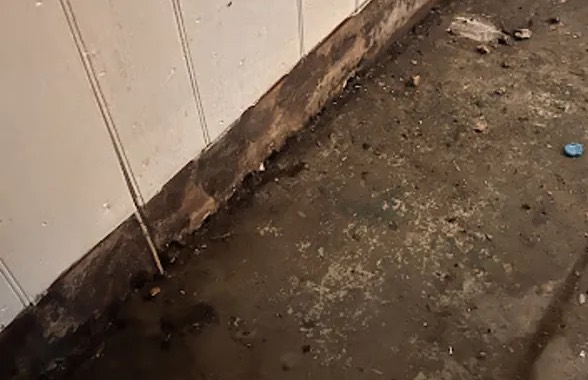
Professional Contaminated Water Removal in Great Falls, SC
Not all water damage is the same. In Great Falls, water from a sewer backup, an overflowing toilet, a washing machine drain or outside flooding carries contaminants that clean water from a supply line does not.
In Great Falls, Fort Lawn, Richburg and Lancaster, heavy storms can overload sewer systems and push dirty water into homes. The pros handle that water safely and dry the space.
Comprehensive Contaminated Water Removal Offerings in Chester County
Toxic Spill Water Removal
Larger chemical or fuel spills may need a hazardous materials contractor. The pros handle the water damage once the area is safe.
Gray Water Damage Cleanup
Gray water from washing machines, dishwashers or sink drains is extracted, and the floors and cabinets it reached are cleaned before drying.
Sewage Water Cleanup
Contaminated materials are bagged and disposed of according to local rules, and the removed items are listed for insurance.
Contaminated Carpet Removal
Contaminated carpet is extracted first to reduce weight and dripping, then removed in sections and disposed of properly.
Emergency Water Mitigation
Help is available any hour, because contaminated water spreads bacteria and odor into more materials the longer it sits.
How to Know You Need Contaminated Water Removal in Your Great Falls Property
Sump Pump Failure and Overflow
A sump pit that overflows can push dirty groundwater and debris across a basement floor.
Discolored Water in Basement
Dark or cloudy water in a basement often carries soil, sewage or debris from outside.
Persistent Wet Carpet Issues
Carpet that stays wet and smells sour after a leak may have turned contaminated over time.
Sewage Backup in Home
Sewage coming up through toilets, tubs or floor drains is black water and needs protective cleanup right away.
How Contaminated Water Removal Works in Great Falls
Step 1: Emergency Assessment and Containment
Water use is stopped, power is made safe and the area is sealed off with plastic sheeting.
Step 2: Contaminated Water Extraction
Workers in protective gear extract the water and remove solids and debris.
Step 3: Deep Cleaning and Disinfection
Porous materials such as carpet and drywall are removed, and hard surfaces are scrubbed and disinfected.
Step 4: Drying and Moisture Control
Air movers, dehumidifiers and air scrubbers dry the structure, with readings taken daily.
Common Causes of Water Damage in Great Falls
Plumbing System Failures
Cracked drain pipes and failed fittings leak wastewater into walls, floors and crawl spaces.
Gray Water Source Overflow
Overflowing laundry tubs and sinks send gray water across floors and into nearby rooms.
Industrial or Chemical Spills
Spills of fuel, oil or chemicals can mix with water and spread across floors and soil.
Appliance Malfunctions and Leaks
Washers, dishwashers and sink drains leak or back up with soapy, dirty gray water.
Residential and Commercial Contaminated Water Removal in Great Falls
Residential Contaminated Water Removal
A gray water leak from a washer is often less severe than sewage, but it still needs cleaning before drying.
Commercial Contaminated Water Removal
Medical offices, schools and childcare centers need contaminated water cleanup that meets the health rules for those spaces before reopening.
Contaminated Water Removal vs. DIY: When to Call the Pros
If you are not sure whether the water is clean, treat it as contaminated. Keep everyone, including pets, away from it and call (803) 941-5983 for an assessment.
Estimating Contaminated Water Removal Expenses in Chester County
Sewer line or septic repairs are separate from cleanup. In Great Falls, both are usually needed to prevent another backup.
Required Drying Time
Drying after cleaning can take several days, and each day of equipment adds cost.
Access Complexity
Crawl spaces, basements and tight areas take longer to reach and clean safely.
Material Removal Needs
Removing and disposing of contaminated carpet, pad and drywall adds labor and fees.
Does Insurance Cover Contaminated Water Removal?
Many homeowner policies exclude sewer backups unless you added a backup endorsement, and outside flooding usually needs flood insurance. Check your policies early.
Advantages of Hiring Local Pros in Great Falls for Contaminated Water Removal
Contaminant Handling
Each type of contamination is handled with the right protective gear and cleaning products.
24/7 Emergency Response
Help is available day or night, because contaminated water cannot wait for business hours.
Advanced Extraction Equipment
Pumps and extractors remove contaminated water quickly, with less contact and spread.
Round-the-Clock Emergency Contaminated Water Removal in Chester County
Toilet or floor drain overflowing with sewage? Keep children and pets away and call (803) 941-5983 now for contaminated water removal in Great Falls.
Call Now (803) 941-5983Local Contaminated Water Removal Areas Including Great Falls
Help with contaminated water removal reaches Fort Lawn, Richburg and Lancaster, plus other communities around Great Falls, for houses, apartments and commercial buildings.
- Contaminated Water Removal in Fort Lawn
- Contaminated Water Removal in Richburg
- Contaminated Water Removal in Lancaster
- Contaminated Water Removal in Heath Springs
- Contaminated Water Removal in Winnsboro
- Contaminated Water Removal in Ridgeway
- Contaminated Water Removal in Chester
- Contaminated Water Removal in Kershaw
- Emergency Damage Restoration in 29055
- Storm Damage Restoration in 29055
- Water Damage Restoration in 29055
- Water Extraction Service in 29055
- Water Leak Detection in 29055
- Water Removal Service in 29055
Common Contaminated Water Removal Questions Answered
Why is professional contaminated water cleanup important?
It needs protective gear, containment and disinfection to keep contamination from spreading through the house.
What happens during the drying phase after cleanup?
Air movers and dehumidifiers dry the cleaned structure, and readings are taken daily until it is normal.
Is it safe to stay home during contaminated water cleanup?
Often yes, if the work area is contained and you stay out of it. People with health concerns may prefer to stay elsewhere.
When is sewage water cleanup required?
Whenever water carries sewage or other waste, including toilet overflows with waste and sewer backups.
What equipment is used for contaminated water removal?
Pumps and extractors, protective gear, disinfectants and air scrubbers, plus dehumidifiers, air movers and moisture meters for drying.