Turbeville, SC · Clarendon County
Industrial Dehumidification in Turbeville, SCDisaster Recovery Drying & Industrial Flood Damage Restoration
Industrial Dehumidification in Turbeville includes mold remediation services, structural drying services, and disaster recovery drying.
Answered 24/7
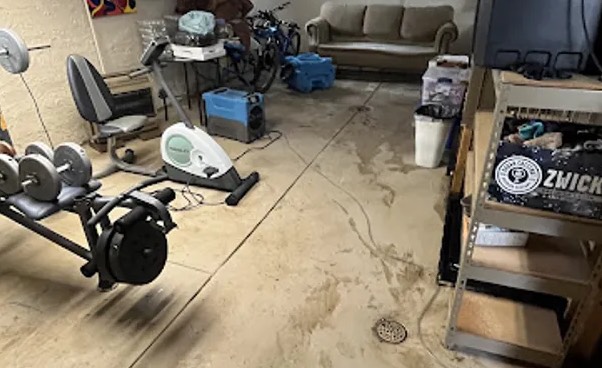
Professional Industrial Dehumidification in Turbeville, SC
After a flood or major leak, large buildings need drying at scale to reopen. Every day of downtime costs a business money and keeps materials wet.
Industrial dehumidification is a priority for large facilities in Turbeville and nearby areas like Lynchburg, Mayesville and Manning. Whether dealing with a burst pipe or ongoing humidity issues, local water damage pros apply commercial dehumidification techniques.
Industrial Drying Services in Turbeville
Disaster Recovery Drying
After a large flood or leak, whole floors or wings of a building may need drying at once. High-capacity dehumidifiers and air movers make that possible.
Industrial Flood Damage Restoration
After a significant flood, industrial spaces need professional drying. Water damage restoration pros in Turbeville set up systems to dry the building structure and contents, checking readings daily.
Mold Remediation Services
Persistent moisture often leads to mold growth. The pros first dry the structure thoroughly. Affected surfaces are then cleaned.
Emergency Water Removal
Emergency water removal in Turbeville pulls floodwater out of the building so the industrial drying can start.
Industrial Humidity Reduction Systems
Some buildings stay humid long after a leak. Dehumidifiers can be left running to hold humidity at a set level until the building is stable.
Indicators for Industrial Dehumidification Services in Turbeville
Stained Ceilings or Walls
Yellow or brown water stains show where past leaks happened and where moisture may still be.
Elevated Humidity Levels
Sticky air and condensation on windows or metal surfaces mean humidity in the building is too high.
Recent Flood or Spill
A burst pipe or overflow that soaks a commercial space needs cleanup and drying right away.
Visible Mold
Black, green or white spots on walls or contents mean humidity has been high for too long.
How Industrial Dehumidification Works in Turbeville
Step 1: First Call and Extraction
The pros check for hazards first and then start extracting flood water.
Step 2: Dehumidification System Setup
Industrial dehumidifiers are set up to create a controlled drying chamber for the air and materials.
Step 3: Targeted Moisture Control
Drying is aimed at problem spots like wet drywall, subfloors and dense materials.
Step 4: Documentation for Property Restoration
Moisture readings and photos are recorded throughout for your files and your insurer.
Reasons for Industrial Flood Damage in Turbeville
Appliance Malfunctions and Overflows
Water heater failures or broken process lines can flood large areas suddenly.
Fire Suppression System Activation
A sprinkler discharge can leave a large amount of water to extract and dry.
Natural Disasters and Severe Weather
Flash floods, torrential rain and other extreme events can soak large buildings and need large-scale drying.
Roof Leaks and Storm Damage
Damaged roofing lets water in during heavy rain, wetting stock and floors below.
Professional Industrial Dehumidification for Any Property in Turbeville
Residential Industrial Dehumidification
Storm-driven water needs fast action to save belongings and building materials. The pros extract the water 24/7 and document the damage for your claim.
Commercial Industrial Dehumidification
A flooded warehouse or production floor halts business. Fast water removal and commercial dehumidification shorten the time the space is out of use.
Industrial Dehumidification vs. DIY: When to Call the Pros
Turning off the main water supply to stop an active leak is a sensible first step any property owner can take. Measuring how far the water spread and planning the drying, though, takes professional meters and industrial equipment.
Understanding Industrial Dehumidification Costs in Turbeville
The pros price the job based on how wet the building is, what materials got wet and how hard the space is to work in.
Water Contamination Level
Clean, gray and black water need different safety steps and cleanup methods.
Drying Time Required
How long the dehumidifiers must run to reach dry readings is a main cost component.
Mold Remediation Needs
If mold is found, containment, removal and air scrubbing are added to the job.
Does Insurance Cover Industrial Dehumidification?
The pros create a thorough, factual record of the affected property and the required remediation steps, which the property owner can provide to their insurer.
Benefits of Local Pros for Industrial Dehumidification in Turbeville, SC
Industrial-Grade Equipment
High-capacity dehumidifiers and air movers are sized for warehouses and other large spaces.
IICRC-Standard Drying Methods
The pros follow industry drying standards so moisture is fully removed from the structure.
Detailed Moisture Documentation
Meters and sensors track humidity and moisture, so you can see drying progress day by day.
24/7 Emergency Drying for Turbeville Properties
A burst pipe or equipment failure can flood a building and stop work. Call (803) 941-5983 for 24/7 help with industrial flood cleanup in Turbeville.
Call Now (803) 941-5983Local Industrial Dehumidification Areas: Turbeville and Beyond
The places below are also served, and each one has its own page.
- Industrial Dehumidification in Lynchburg
- Industrial Dehumidification in Mayesville
- Industrial Dehumidification in Manning
- Industrial Dehumidification in Sumter
- Industrial Dehumidification in Paxville
- Industrial Dehumidification in Bishopville
- Industrial Dehumidification in Summerton
- Industrial Dehumidification in Pinewood
- Emergency Damage Restoration in 29162
- Storm Damage Restoration in 29162
- Water Damage Restoration in 29162
- Water Extraction Service in 29162
- Water Leak Detection in 29162
- Water Removal Service in 29162
Industrial Dehumidification FAQs
What is the goal of disaster recovery drying?
It is drying a building after a large water loss so the business can return to normal use as soon as possible.
What areas need drying after a warehouse flood?
All wet areas: floors, walls, stored contents and often the subfloor and insulation as well.
What happens during the property restoration process?
Property restoration involves drying structural materials, cleaning affected surfaces and contents, and sometimes repairing or replacing damaged components after water intrusion.
How is drying progress monitored?
The pros take moisture readings from materials and the air each day and keep drying logs that show progress.
Can humidity control prevent future mold problems?
Keeping warehouse humidity low with dehumidifiers protects stored goods and the building from moisture damage.