Pinewood, SC · Sumter County
Industrial Dehumidification in Pinewood, SCIndustrial Flood Damage Restoration & Commercial Water Damage Cleanup
Get Industrial Dehumidification in Pinewood for industrial flood damage restoration, warehouse moisture control, and mold remediation services.
Answered 24/7
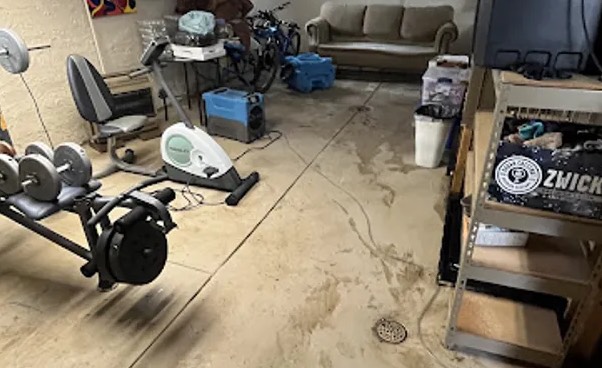
Industrial Dehumidification Solutions in Pinewood, South Carolina
In Pinewood, high humidity after a leak rusts machinery, ruins stock and keeps building materials wet. Industrial dehumidifiers bring it under control so drying can finish.
Industrial dehumidification is a priority for large facilities in Pinewood and nearby areas like Paxville, Summerton and Sumter. Whether dealing with a burst pipe or ongoing humidity issues, local water damage pros apply commercial dehumidification techniques.
Industrial Flood Damage Restoration in Pinewood
Industrial Flood Damage Restoration
Restoring a flooded plant requires drying the entire environment. Pros reach moisture in high ceilings, equipment pits and storage areas.
Commercial Water Damage Cleanup
Leaks or floods in commercial properties need high-capacity dehumidifiers. Humidity control in expansive areas targets moisture in concrete slabs and behind walls.
Mold Remediation Services
Persistent moisture often leads to mold growth. Industrial dehumidification pros first dry the structure thoroughly. Affected surfaces are then cleaned.
Warehouse Moisture Control
Controlling ambient humidity is crucial in warehouse storage. The pros install and monitor systems to maintain optimal moisture levels.
Structural Drying Services
Water-compromised materials must be dried from the inside out. The pros use specialized equipment to extract moisture trapped within concrete, wood, and drywall.
Signs of Moisture Requiring Industrial Dehumidification in Pinewood
Visible Mold
Black, green or white spots on walls or contents mean humidity has been high for too long.
Musty Odors and Smells
A persistent earthy smell often points to hidden moisture in walls, ceilings or stored goods.
Damp Insulation or Drywall
Wet materials behind walls or above ceilings stay wet for weeks without forced drying and can rot.
Equipment Rust or Corrosion
New rust on machinery or metal stock can come from damp air in the building.
How Industrial Dehumidification Works in Pinewood
Step 1: Secure Area and Remove Water
The site is made safe, then water is removed with industrial equipment.
Step 2: Install Commercial Dehumidification
Large commercial dehumidifiers bring the humidity down so the drying can start.
Step 3: Accelerated Evaporation and Drying
Air movers speed up evaporation, and the dehumidifiers collect the water from the air.
Step 4: Achieve Dry Standard and Demobilize
After confirming all materials meet the dry standard, pros dismantle the drying system.
Sources of Moisture in Industrial and Commercial Buildings
Poor Ventilation and Airflow
Poor ventilation traps moisture from work processes and people inside the building.
Fire Suppression System Activation
A sprinkler discharge can leave a large amount of water to extract and dry.
HVAC System Condensation Issues
Cooling systems that are poorly maintained or oversized can produce a lot of condensation and raise humidity.
Groundwater Intrusion and Saturation
Poor drainage around the building can let water seep up through the floor.
Industrial Dehumidification for All Properties in Pinewood
Residential Industrial Dehumidification
In homes, a slow roof leak can soak attic insulation and lead to mold. The experts in Pinewood dry the attic once the roof is repaired and clean up the wet areas.
Commercial Industrial Dehumidification
Data centers, labs and archives need steady humidity. After water damage, temporary dehumidification protects equipment and records until conditions are stable.
Industrial Dehumidification vs. DIY: When to Call the Pros
Turning off the main water supply to stop an active leak is a sensible first step any property owner can take. Measuring how far the water spread and planning the drying, though, takes professional meters and industrial equipment.
Industrial Dehumidification Cost in Pinewood, SC
The experts price the job based on how wet the building is, what materials got wet and how hard the space is to work in.
Structural Material Type
Concrete, wood and steel dry differently, which changes the approach and the time.
Emergency Service Timing
After-hours or 24/7 calls may be billed at a different rate than a scheduled visit.
Drying Time Required
How long the dehumidifiers must run to reach dry readings is a main cost component.
Does Insurance Cover Industrial Dehumidification?
The pros provide detailed documentation of the damage, including moisture maps and photographic evidence, to support the property owner's claim submission for review.
The Value of Local Pros for Industrial Dehumidification in Pinewood
Detailed Moisture Documentation
Meters and sensors track humidity and moisture, so you can see drying progress day by day.
Comprehensive Water Removal
The work starts with removing standing water and water soaked into materials.
Industrial-Grade Equipment
High-capacity dehumidifiers and air movers are sized for warehouses and other large spaces.
24/7 Emergency Drying for Pinewood Properties
Standing water left in a building can lead to mold within a day or two. Call (803) 941-5983 to reach the experts for commercial water cleanup and humidity control, any hour.
Call Now (803) 941-5983Industrial Dehumidification Coverage in Pinewood, Paxville, Summerton and Sumter
Warehouse moisture control and flood cleanup are available in Pinewood and nearby Paxville, Summerton and Sumter.
- Industrial Dehumidification in Paxville
- Industrial Dehumidification in Summerton
- Industrial Dehumidification in Sumter
- Industrial Dehumidification in Manning
- Industrial Dehumidification in Elloree
- Industrial Dehumidification in Eastover
- Industrial Dehumidification in Gadsden
- Industrial Dehumidification in Santee
- Emergency Damage Restoration in 29125
- Storm Damage Restoration in 29125
- Water Damage Restoration in 29125
- Water Extraction Service in 29125
- Water Leak Detection in 29125
- Water Removal Service in 29125
Industrial Drying FAQ for Pinewood Clients
How is drying progress monitored?
The experts take moisture readings from materials and the air each day and keep drying logs that show progress.
What are humidity reduction systems?
Dehumidifiers that stay in place to hold humidity at a set level in sensitive spaces like data centers, archives or plants after water damage.
What does water damage cleanup involve?
Water extraction, moisture mapping of the building, placement of industrial dehumidifiers and air movers, daily monitoring and a final dryness check.
When is mold remediation necessary after flooding?
Mold remediation services become crucial if visible mold appears or if materials remain wet beyond 24-48 hours, allowing spores to activate.
What areas need drying after a warehouse flood?
All wet areas: floors, walls, stored contents and often the subfloor and insulation as well.