Branchville, SC · Orangeburg County
Industrial Dehumidification in Branchville, SCEmergency Water Removal & Mold Remediation Services
Get Industrial Dehumidification in Branchville for industrial flood damage restoration, warehouse moisture control, and mold remediation services.
Answered 24/7
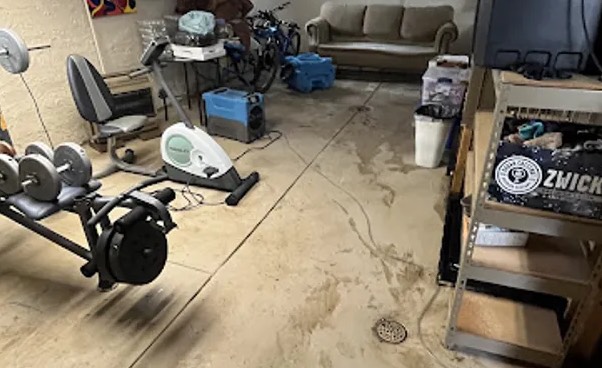
Industrial Dehumidification Solutions in Branchville, South Carolina
In Branchville, flooding in industrial buildings comes from broken supply lines, failed equipment or storms. Acting quickly limits lost work time and further damage.
Industrial dehumidification needs in Branchville and surrounding communities like Bowman, Bamberg and Orangeburg are handled by experienced water damage restoration pros. They manage everything from humidity control systems to flood cleanup on large sites. Help is available 24/7 whenever moisture problems come up.
Industrial Drying Services in Branchville
Emergency Water Removal
Emergency water removal in Branchville pulls floodwater out of the building so the industrial drying can start.
Mold Remediation Services
Extensive mold requires professional remediation to ensure occupant safety. Industrial dehumidification is a core part of stopping the mold lifecycle.
Commercial Water Damage Cleanup
A flooded warehouse or factory needs powerful moisture removal. Industrial dehumidification focuses on large-scale air drying to safeguard machinery and stored goods.
Disaster Recovery Drying
Disaster scenarios create complex drying challenges. The pros design a recovery plan centered on industrial dehumidification. The process involves drying contents and structure in tandem.
Warehouse Moisture Control
High warehouse humidity leads to condensation and product damage. The pros deploy industrial dehumidifiers to pull excess moisture from the air.
Signs of Water Damage Requiring Industrial Dehumidification in Branchville
Equipment Rust or Corrosion
New rust on machinery or metal stock can come from damp air in the building.
Musty Odors and Smells
A persistent earthy smell often points to hidden moisture in walls, ceilings or stored goods.
Peeling Adhesives or Labels
Boxes losing their shape and labels peeling off mean the storage area is holding too much moisture.
Noticeable Water Pooling
Standing water in a warehouse or industrial space needs to be removed before drying can start.
How Industrial Dehumidification Works in Branchville
Step 1: Secure Area and Remove Water
The site is made safe, then water is removed with industrial equipment.
Step 2: Install Commercial Dehumidification
Large commercial dehumidifiers bring the humidity down so the drying can start.
Step 3: Accelerated Evaporation and Drying
Air movers speed up evaporation, and the dehumidifiers collect the water from the air.
Step 4: Achieve Dry Standard and Demobilize
After confirming all materials meet the dry standard, pros dismantle the drying system.
Sources of Moisture in Industrial and Commercial Buildings
Foundation Cracks and Seepage
Groundwater pushed up through cracks in slabs and walls keeps lower areas damp.
Roof Leaks and Storm Damage
Damaged roofing lets water in during heavy rain, wetting stock and floors below.
Poor Ventilation and Airflow
Poor ventilation traps moisture from work processes and people inside the building.
HVAC System Condensation Issues
Cooling systems that are poorly maintained or oversized can produce a lot of condensation and raise humidity.
Industrial Dehumidification for Residential and Commercial Clients in Branchville
Residential Industrial Dehumidification
A flooded basement or crawl space can ruin stored items and weaken foundations. Pros extract the water and dry the structure to prevent costly repairs later.
Commercial Industrial Dehumidification
Restaurant kitchens, stockrooms and offices all need humidity under control after water damage. Commercial dehumidifiers protect equipment and goods from rust and mold.
Industrial Dehumidification vs. Do-It-Yourself in Branchville
Throwing out ruined cardboard or soaked insulation is something a property manager can do. Building materials that may have mold should be removed by pros using containment.
Understanding Industrial Dehumidification Costs in Branchville
Industrial flood cleanup costs depend on the scale of water removal and how many hours of structural drying are needed.
Access Complexity
Hard-to-reach areas in a warehouse or plant take longer to set up equipment in.
Mold Remediation Needs
If mold is found, containment, removal and air scrubbing are added to the job.
Affected Square Footage
The size of the area to be dehumidified sets how much equipment and labor are needed.
Does Insurance Cover Industrial Dehumidification?
The commercial drying experts in Branchville document the full extent of microbial growth and the underlying conditions, providing this evidence for the insurer to evaluate against the policy's terms.
Why Branchville Properties Need Local Pros for Industrial Dehumidification
Clear Process Communication
You get regular updates on drying progress and how long the job should take.
Industrial-Grade Equipment
High-capacity dehumidifiers and air movers are sized for warehouses and other large spaces.
Detailed Moisture Documentation
Meters and sensors track humidity and moisture, so you can see drying progress day by day.
Emergency Water Damage Services in Branchville
When dehumidifiers need to go in fast after a disaster, call (803) 941-5983. The experts in Branchville are available 24/7 for industrial drying.
Call Now (803) 941-5983Local Industrial Dehumidification Areas: Branchville and Beyond
Each place listed below has its own page with local details.
- Industrial Dehumidification in Bowman
- Industrial Dehumidification in Bamberg
- Industrial Dehumidification in Orangeburg
- Industrial Dehumidification in Denmark
- Industrial Dehumidification in Norway
- Industrial Dehumidification in Elloree
- Industrial Dehumidification in Santee
- Industrial Dehumidification in Neeses
- Emergency Damage Restoration in 29432
- Storm Damage Restoration in 29432
- Water Damage Restoration in 29432
- Water Extraction Service in 29432
- Water Leak Detection in 29432
- Water Removal Service in 29432
Industrial Dehumidification FAQs
How is drying progress monitored?
The experts take moisture readings from materials and the air each day and keep drying logs that show progress.
What is the first step in emergency water removal?
The initial critical step is extracting all standing water using truck-mounted or portable pumps and extractors.
Why is water extraction so important?
Removing water quickly keeps it from soaking deeper, shortens drying and lowers the risk of mold and warping.
When is mold remediation necessary after flooding?
Mold remediation services become crucial if visible mold appears or if materials remain wet beyond 24-48 hours, allowing spores to activate.
What areas need drying after a warehouse flood?
All wet areas: floors, walls, stored contents and often the subfloor and insulation as well.