West Columbia, SC · Lexington County
Hydrostatic Pressure Water Removal in West Columbia, SCCrawl Space Water Extraction & Slab Leak Water Removal
Hydrostatic Pressure Water Removal in West Columbia covers groundwater intrusion mitigation, wet subfloor removal and crawl space water extraction.
Answered 24/7
Local Pros for Hydrostatic Pressure Water Removal in West Columbia
In West Columbia homes, water pushed in by soil pressure can keep subfloors and framing damp long after the puddles are gone, which leads to rot and mold.
In West Columbia and nearby Cayce, Olympia and Arthurtown, soaked soil can push water into basements and crawl spaces. Local hydrostatic pressure experts extract the water and dry the structure.
Specialized Hydrostatic Pressure Water Removal for West Columbia
Crawl Space Water Extraction
A wet crawl space is a hidden problem that can lead to mold and wood rot.
Slab Leak Water Removal
For slab leaks in West Columbia, hydrostatic pressure experts remove the water and dry the slab and flooring above it.
Foundation Crack Water Infiltration
The pros first extract the water, then document the damage for your insurance claim before repair planning.
Wet Subfloor Removal
Subfloor that stayed soaked after a groundwater flood may have to be removed. The water is extracted, the damaged sections cut out and the area dried for new material.
Slab Seepage Water Removal
When water seeps up through a slab in West Columbia, flooring may need to be lifted so the concrete can dry. Pros explain what a foundation specialist should look at.
Warning Signs You Need Hydrostatic Pressure Water Removal
Sump Pump Running Constantly
A sump pump that runs nonstop means a lot of groundwater is coming in around the foundation.
Rusted Metal in Foundation Area
Unexpected rust on support posts, pipes or appliances in the basement means the space has stayed damp for a while.
Spongy or Soft Spots on Floors
Damp spots or lifting flooring on a slab can mean water is coming up from below.
Mold on Baseboards
Mold along baseboards or lower walls points to ongoing moisture coming through the foundation.
How Hydrostatic Pressure Water Removal Works in West Columbia
Step 1: Emergency Water Extraction
The experts use truck-mounted pumps to remove standing water from basements and crawl spaces.
Step 2: Foundation Leak Assessment
An inspection finds where groundwater is getting in and maps how far the water spread.
Step 3: Structural Drying Deployment
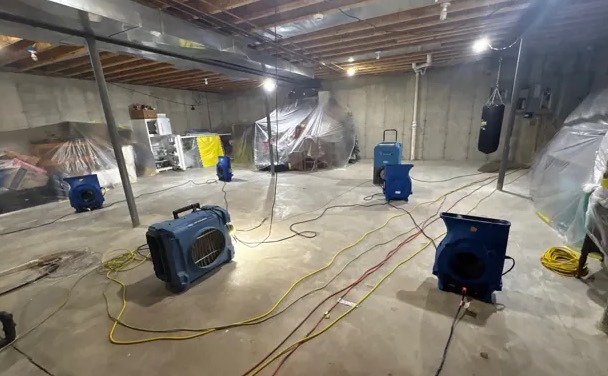
Industrial air movers and dehumidifiers are positioned strategically to dry wall cavities, subfloors, and structural members until readings return to normal.
Step 4: Final Moisture Verification
Professionals use moisture meters and sensors to confirm all materials are dry.
How Hydrostatic Pressure Creates Water Removal Emergencies
Sump Pump Malfunction or Failure
A sump pump that fails cannot remove groundwater, so it builds up and floods the lower level.
Soil Expansion and Contraction
Clay soil swells when wet, adding pressure on foundation walls and opening paths for water.
Failed or Missing Waterproofing
Worn exterior coatings or membranes let groundwater reach the foundation wall directly.
High Water Table Levels
A high water table keeps steady pressure on the foundation and pushes water through cracks and joints.
Residential and Commercial Hydrostatic Pressure Water Removal in West Columbia
Residential Hydrostatic Pressure Water Removal
Persistent basement flooding from hydrostatic pressure can ruin furnaces, water heaters and stored items. The professionals dry the structure fully to prevent further damage.
Commercial Hydrostatic Pressure Water Removal
In multi-tenant buildings, groundwater cleanup has to be planned around other businesses. The pros coordinate access and drying to limit disruption.
Hydrostatic Pressure Water Removal vs. DIY: When to Call the Pros
If a plumbing leak may be adding to the water, shut off the main valve. Finding where groundwater enters and drying the structure takes meters and drying equipment.
Understanding Hydrostatic Pressure Water Removal Expenses
In Lexington County, the cost of foundation water removal depends on the source, such as seepage through a slab or a large crack letting water in.
Material Saturation Level
Deeply soaked subflooring or wet foundation walls need more extraction and dehumidification.
Equipment Needs
Large pumps and industrial dehumidifiers for big jobs add to the equipment cost.
Required Drying Time
The number of days the structure takes to dry is a large part of the cost.
Does Insurance Cover Hydrostatic Pressure Water Removal?
Removing wet subfloor may be covered if the water came from a covered event. The experts document the subfloor and why it had to come out, and your insurer decides.
Advantages of Hiring Local Pros for Hydrostatic Pressure Water Removal in West Columbia
Targeted Groundwater Extraction
Equipment made for tight spaces removes water from crawl spaces and around slabs.
Controlled Demolition Protocols
Only subfloor and materials that cannot be dried are removed, which keeps the repair smaller.
IICRC-Standard Drying Methods
Drying the structure fully after water intrusion protects the foundation and framing from lasting damage.
Emergency Hydrostatic Pressure Water Removal in West Columbia
Emergency groundwater intrusion cleanup is available around the clock for properties in West Columbia, by calling (803) 941-5983. The experts pump out crawl spaces and start drying.
Call Now (803) 941-5983Hydrostatic Pressure Water Removal for West Columbia and Nearby Communities
Foundation water removal and structural drying are available in West Columbia and nearby Cayce, Olympia and Arthurtown.
- Hydrostatic Pressure Water Removal in Cayce
- Hydrostatic Pressure Water Removal in Olympia
- Hydrostatic Pressure Water Removal in Arthurtown
- Hydrostatic Pressure Water Removal in St. Andrews
- Hydrostatic Pressure Water Removal in Oak Grove
- Hydrostatic Pressure Water Removal in Lexington
- Hydrostatic Pressure Water Removal in Red Bank
- Hydrostatic Pressure Water Removal in Seven Oaks
- Emergency Damage Restoration in 29169
- Storm Damage Restoration in 29169
- Water Damage Restoration in 29169
- Water Extraction Service in 29169
- Water Leak Detection in 29169
- Water Removal Service in 29169
- Emergency Damage Restoration in 29170
- Storm Damage Restoration in 29170
Frequently Asked Questions About Hydrostatic Pressure Removal
How is hydrostatic pressure measured during flooding?
It is not measured directly. The depth of water and how fast it comes in show how much pressure the soil is putting on the foundation.
What causes foundation crack water infiltration?
Usually water pressure from soaked soil, or settlement cracks that give groundwater a path into the building.
What are signs of soil pressure water intrusion?
Water seeping where the floor meets the wall, damp foundation walls and ongoing moisture in a crawl space.
What is included in structural water damage restoration?
Water extraction, drying, cleaning and replacing materials that groundwater or flood water damaged beyond drying.
Why is subfloor drying services important after flooding?
Drying the subfloor keeps it from rotting and growing mold, which protects the floor system above it.