Peak, SC · Newberry County
Hydrostatic Pressure Water Removal in Peak, SCGroundwater Intrusion Mitigation & Structural Drying After Intrusion
Hydrostatic Pressure Water Removal in Peak covers groundwater intrusion mitigation, wet subfloor removal and crawl space water extraction.
Answered 24/7
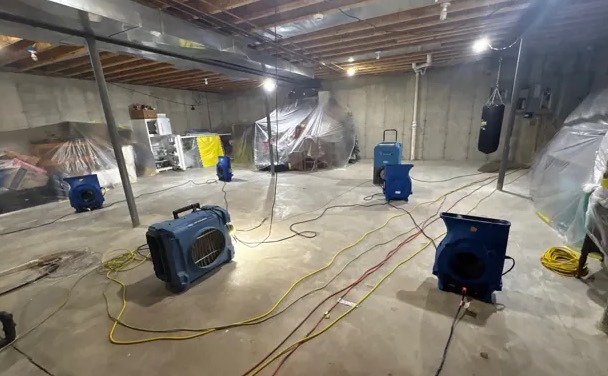
Addressing Hydrostatic Pressure Water Damage in Peak
A failed sump pump or poor drainage can flood a lower level fast. The water often carries mud and silt, which adds cleaning to the extraction and drying.
In Peak and nearby Jenkinsville, Chapin and Little Mountain, soaked soil can push water into basements and crawl spaces. Local hydrostatic pressure experts extract the water and dry the structure.
Specialized Hydrostatic Pressure Water Removal for Peak
Groundwater Intrusion Mitigation
Moisture readings and entry points are recorded during the work, which helps plan both the drying and any drainage changes outside.
Structural Drying After Intrusion
Drying equipment is placed to pull moisture out of wall cavities, subfloors and framing, not just to dry what you can see.
Basement Hydrostatic Pressure Flooding
Water pushed in by soil pressure is common in lower levels in Peak. Local hydrostatic pressure experts extract the standing water first, then note where it came in so a contractor can look at it.
Sump Pump Failure Cleanup
The pros extract the floodwater and can assist with diagnosing the cause of the pump failure for future prevention.
Foundation Crack Water Infiltration
Even hairline cracks can let in a lot of water when the soil is soaked. The water inside is removed, and sealing the crack is left to a foundation contractor.
Symptoms That Require Hydrostatic Pressure Water Removal
Visible Cracks in Foundation Floors
New or widening cracks in a basement slab can let groundwater in when the soil is wet.
Spongy or Soft Spots on Floors
Damp spots or lifting flooring on a slab can mean water is coming up from below.
Water Seeping From Foundation Walls
Water seeping at the base of foundation walls means groundwater is being pushed in by pressure from the soil.
Pooling Water in Crawl Space
Standing water in a crawl space is a clear sign water is getting in and needs to be removed.
How Hydrostatic Pressure Water Removal Works in Peak
Step 1: Initial Pressure Evaluation
The pros look at where the water came in and how wet the soil-side walls and floor are.
Step 2: Sub-Slab Water Removal
Using specialized extraction tools, pros remove water trapped beneath concrete slabs and flooring.
Step 3: Targeted Structural Drying
Drying equipment is aimed at framing, joists and sill plates so the structure dries all the way through.
Step 4: Documentation for Insurance
Moisture readings, photos and notes on the work are put together for your insurance claim.
What Causes Hydrostatic Pressure Water Damage
Poor Exterior Drainage Systems
Clogged gutters, downspouts and poor grading send water toward the foundation, where it builds pressure in the soil.
Heavy or Prolonged Rainfall
Long periods of rain soak the soil, and the water presses against the foundation until it finds a way in.
High Water Table Levels
A high water table keeps steady pressure on the foundation and pushes water through cracks and joints.
Improper Landscaping and Irrigation
Landscaping that slopes toward the house, or heavy watering near it, adds water to the soil against the foundation.
Residential and Commercial Hydrostatic Pressure Water Removal in Peak
Residential Hydrostatic Pressure Water Removal
In homes, water through the foundation can reach framing and wiring in the lower level. The experts remove the water and dry the structure, and a foundation contractor handles any cracks.
Commercial Hydrostatic Pressure Water Removal
Warehouses and plants on slab floors can take on water from below. Industrial equipment removes it and dries the large floor area so work can resume.
Hydrostatic Pressure Water Removal: Why DIY Falls Short
You can test a sump pump by pouring water into the pit and watching whether it turns on. If it does not, or the pit fills fast, call a plumber and call (803) 941-5983 if water is on the floor.
Hydrostatic Pressure Water Removal Cost in Peak, SC
In Newberry County, the cost of foundation water removal depends on the source, such as seepage through a slab or a large crack letting water in.
Equipment Needs
Large pumps and industrial dehumidifiers for big jobs add to the equipment cost.
Material Saturation Level
Deeply soaked subflooring or wet foundation walls need more extraction and dehumidification.
Affected Area Size
Larger flooded areas or large wet subfloors need more equipment and more days of drying.
Does Insurance Cover Hydrostatic Pressure Water Removal?
For water coming up through a slab, coverage often depends on whether the leak was sudden or slow. The experts record the source and the wet areas, and your insurer decides.
Benefits of Local Pros for Hydrostatic Pressure Issues
Controlled Demolition Protocols
Only subfloor and materials that cannot be dried are removed, which keeps the repair smaller.
Detailed Documentation
Photos and moisture logs of the work are kept to support your insurance claim.
IICRC-Standard Drying Methods
Drying the structure fully after water intrusion protects the foundation and framing from lasting damage.
Emergency Hydrostatic Pressure Water Removal in Peak
Drying after groundwater gets in starts with a call to (803) 941-5983. The experts are available 24/7 in Peak to remove the water and set up drying.
Call Now (803) 941-5983Areas Served for Hydrostatic Pressure Water Removal Near Peak
Foundation water removal and structural drying are available in Peak and nearby Jenkinsville, Chapin and Little Mountain.
- Hydrostatic Pressure Water Removal in Jenkinsville
- Hydrostatic Pressure Water Removal in Chapin
- Hydrostatic Pressure Water Removal in Little Mountain
- Hydrostatic Pressure Water Removal in Pomaria
- Hydrostatic Pressure Water Removal in Prosperity
- Hydrostatic Pressure Water Removal in Irmo
- Hydrostatic Pressure Water Removal in Winnsboro
- Hydrostatic Pressure Water Removal in Newberry
- Emergency Damage Restoration in 29122
- Storm Damage Restoration in 29122
- Water Damage Restoration in 29122
- Water Extraction Service in 29122
- Water Leak Detection in 29122
- Water Removal Service in 29122
Common Hydrostatic Pressure Water Removal Questions Answered
When is wet subfloor removal necessary?
When wood subflooring is so soaked that it cannot be dried, it is removed to prevent rot and a weak floor.
How is hydrostatic pressure measured during flooding?
It is not measured directly. The depth of water and how fast it comes in show how much pressure the soil is putting on the foundation.
What is structural drying after intrusion?
It is drying the concrete, wood and other building materials after groundwater or flood water gets inside.
What does groundwater intrusion mitigation involve?
Removing the water, drying the structure and then, often, drainage or waterproofing work outside by a contractor.
How long does drying take after groundwater comes in?
Most jobs take several days of drying. Waterproofing repairs, if needed, are a separate job for a waterproofing contractor.