Newberry, SC · Newberry County
Hydrostatic Pressure Water Removal in Newberry, SCSlab Seepage Water Removal & Sump Pump Failure Cleanup
Hydrostatic Pressure Water Removal in Newberry covers groundwater intrusion mitigation, wet subfloor removal and crawl space water extraction.
Answered 24/7
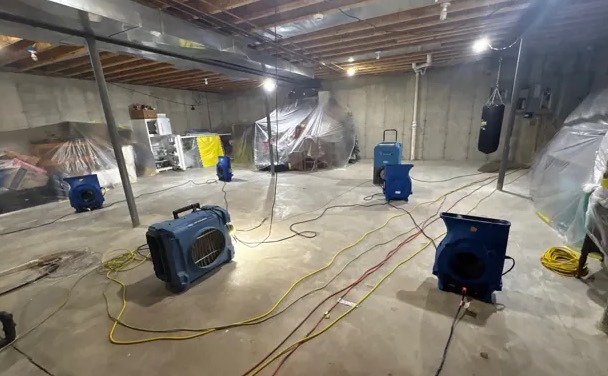
Hydrostatic Pressure Water Removal Solutions for Newberry Homes
In Newberry areas where the water table rises in wet seasons, groundwater presses on foundation walls and can seep inside.
In Newberry and nearby Prosperity, Silverstreet and Pomaria, soaked soil can push water into basements and crawl spaces. Local foundation water removal pros extract the water and dry the structure.
Hydrostatic Pressure Water Removal Services in Newberry
Slab Seepage Water Removal
Slab seepage water removal clears water that soil pressure forces through joints and cracks in the slab, then the flooring and baseboards are checked with moisture meters.
Sump Pump Failure Cleanup
When a sump pump fails, the lower level can flood quickly. Cleanup covers extraction, a look at why the pump failed and drying of the wet area.
Foundation Crack Water Infiltration
Even hairline cracks can let in a lot of water when the soil is soaked. The water inside is removed, and sealing the crack is left to a foundation contractor.
Slab Leak Water Removal
Water coming up through a slab keeps flooring damp and can swell or lift it. The water is removed and the slab and flooring dried.
Structural Drying After Intrusion
After water is pushed inside, air movers and dehumidifiers dry the wood, concrete and drywall it reached so rot and mold do not start.
Symptoms That Require Hydrostatic Pressure Water Removal
Gurgling Sounds From Floor Drains
Gurgling floor drains during heavy rain can mean water pressure is building in the drain lines around the house.
Damp or Musty Odors in Basement
A constant musty smell in the lower level often means groundwater is getting in somewhere.
Rusted Metal in Foundation Area
Unexpected rust on support posts, pipes or appliances in the basement means the space has stayed damp for a while.
Mold on Baseboards
Mold along baseboards or lower walls points to ongoing moisture coming through the foundation.
How Hydrostatic Pressure Water Removal Works in Newberry
Step 1: Source Containment and Control
Where possible, the water source is controlled first, such as redirecting downspouts or stopping a plumbing leak.
Step 2: Crawl Space Water Extraction
Equipment made for tight spaces extracts water from the crawl space so the framing can start drying.
Step 3: Affected Material Removal
Wet insulation and subflooring that cannot be dried are removed and hauled away.
Step 4: Dehumidification and Air Scrubbing
Dehumidifiers and air scrubbers bring humidity down and clear the musty air until the space is dry.
Sources Requiring Hydrostatic Pressure Water Removal
Foundation Settlement and Cracks
As a foundation settles, cracks form and give groundwater a direct path inside.
Poor Exterior Drainage Systems
Clogged gutters, downspouts and poor grading send water toward the foundation, where it builds pressure in the soil.
Plumbing Leaks Under the Slab
A broken water line under the slab keeps feeding water up through the floor.
Failed or Missing Waterproofing
Worn exterior coatings or membranes let groundwater reach the foundation wall directly.
Hydrostatic Pressure Water Removal for Foundation Protection
Residential Hydrostatic Pressure Water Removal
In homes, water through the foundation can reach framing and wiring in the lower level. Local foundation water removal pros remove the water and dry the structure, and a foundation contractor handles any cracks.
Commercial Hydrostatic Pressure Water Removal
Warehouses and plants on slab floors can take on water from below. Industrial equipment removes it and dries the large floor area so work can resume.
Hydrostatic Pressure Water Removal vs. DIY: When to Call the Pros
If a plumbing leak may be adding to the water, shut off the main valve. Finding where groundwater enters and drying the structure takes meters and drying equipment.
Hydrostatic Pressure Water Removal Cost in Newberry, SC
The cost of removing water that comes up through a slab depends on how easy the area is to reach, how wet it is and how long drying takes.
Water Source Type
A slow slab seep and a sudden flood through a wall crack need different approaches and equipment.
Required Drying Time
The number of days the structure takes to dry is a large part of the cost.
Equipment Needs
Large pumps and industrial dehumidifiers for big jobs add to the equipment cost.
Does Insurance Cover Hydrostatic Pressure Water Removal?
Removing wet subfloor may be covered if the water came from a covered event. The pros document the subfloor and why it had to come out, and your insurer decides.
Selecting Local Pros for Hydrostatic Pressure Water Removal in Newberry, SC
Structural Damage Assessment
The pros check where water came in and which materials it reached before drying starts.
Controlled Demolition Protocols
Only subfloor and materials that cannot be dried are removed, which keeps the repair smaller.
Comprehensive Moisture Mapping
Moisture meters find water in subfloors and walls so every wet area gets dried.
Around-the-Clock Help for Hydrostatic Flooding in Newberry
If water is coming into your basement now, call (803) 941-5983 day or night. The pros in Newberry can start extraction to limit the damage.
Call Now (803) 941-5983Hydrostatic Pressure Water Removal Coverage in Newberry, Prosperity, Silverstreet and Pomaria
From slab seepage to water through foundation cracks, the pros work in Newberry and nearby Prosperity, Silverstreet and Pomaria.
- Hydrostatic Pressure Water Removal in Prosperity
- Hydrostatic Pressure Water Removal in Silverstreet
- Hydrostatic Pressure Water Removal in Pomaria
- Hydrostatic Pressure Water Removal in Kinards
- Hydrostatic Pressure Water Removal in Little Mountain
- Hydrostatic Pressure Water Removal in Joanna
- Hydrostatic Pressure Water Removal in Whitmire
- Hydrostatic Pressure Water Removal in Peak
- Emergency Damage Restoration in 29108
- Storm Damage Restoration in 29108
- Water Damage Restoration in 29108
- Water Extraction Service in 29108
- Water Leak Detection in 29108
- Water Removal Service in 29108
Frequently Asked Questions About Hydrostatic Pressure Removal
How long does drying take after groundwater comes in?
Most jobs take several days of drying. Waterproofing repairs, if needed, are a separate job for a waterproofing contractor.
How does foundation water removal work?
Standing water is extracted, the structure is dried with dehumidifiers and air movers, and the place where water came in is noted.
What does groundwater intrusion mitigation involve?
Removing the water, drying the structure and then, often, drainage or waterproofing work outside by a contractor.
What causes foundation crack water infiltration?
Usually water pressure from soaked soil, or settlement cracks that give groundwater a path into the building.
What are signs of soil pressure water intrusion?
Water seeping where the floor meets the wall, damp foundation walls and ongoing moisture in a crawl space.