Columbia, SC · Richland County
Heating System Mold Cleanup in Columbia, SCHVAC Mold Inspection & Ductwork Mold Sealing
Heating System Mold Cleanup in Columbia involves HVAC mold inspection, air duct mold remediation, and furnace mold cleanup.
Answered 24/7
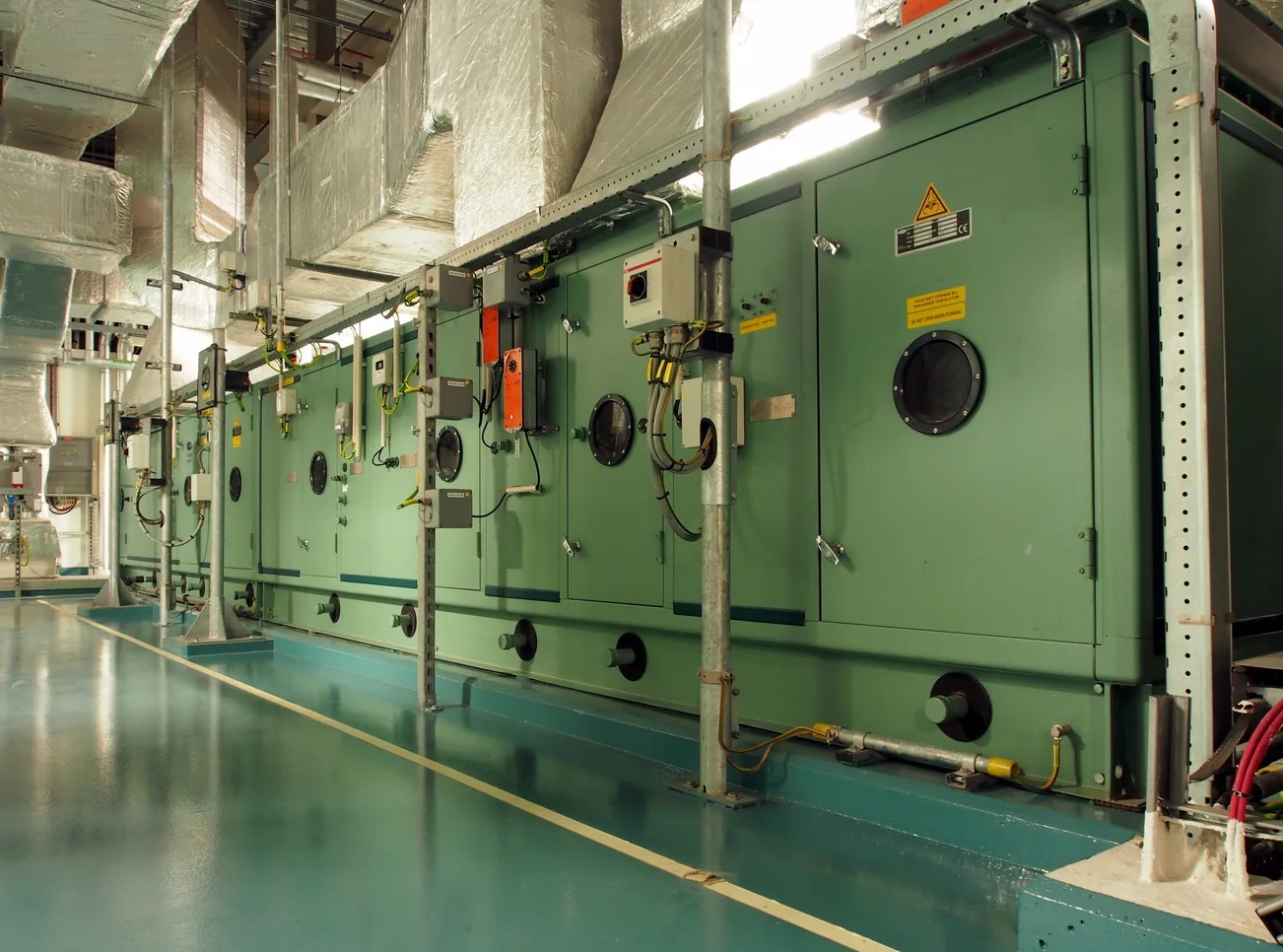
Local Heating System Mold Cleanup for Columbia Residents
Mold colonies within a heating unit can distribute spores across an entire property in Columbia, degrading indoor air quality and reducing system efficiency. Fast mold removal from the heating system stops ongoing contamination and strain on the unit.
Heating unit mold cleanup is available in Columbia and nearby areas like Olympia, West Columbia and Forest Acres. Mold in HVAC systems spreads quickly through the ducts and into indoor air. Local HVAC restoration experts tailor the work to each home.
Available Heating System Mold Cleanup Procedures in Columbia
HVAC Mold Inspection
HVAC mold inspection identifies mold in air handlers, coils, and ducts. The experts use moisture meters to find hidden contamination. This assessment is the first step for heating system mold cleanup in Columbia.
Ductwork Mold Sealing
After mold remediation, the experts often repair damaged duct sections and replace compromised insulation. This ductwork sealing and repair is a preventative step following heating unit mold cleanup.
Air Duct Mold Remediation
Cleaning mold from ducts addresses the system of supply and return vents throughout a home. The experts mechanically agitate and extract visible mold and debris. Cleanup and system repair depend on it.
Furnace Mold Cleanup
The process includes vacuuming debris and applying antimicrobial agents. The experts remove biological material from components. This completes the mechanical side of heating system mold cleanup.
Post-Remediation Air Testing
The experts use air pumps and spore traps to sample air from supply vents and living areas. Air testing after remediation confirms the cleanup worked.
When to Consider Heating System Mold Cleanup for Your Home
Excessive Dust Around Vents
Unusual dust buildup near heating vents can signal mold growth acting as a binding agent for particulates.
Clogged Air Filters Quickly
Air filters that become dirty unusually fast can be trapping mold spores from contaminated ductwork or air handler.
Humid or Stuffy Indoor Air
Consistently humid air indoors suggests poor HVAC performance, potentially from mold clogging the evaporator coil or air handler.
Increased Allergy Symptoms
Worsening allergies or respiratory irritation at home often points to mold spores circulating from the HVAC system.
How Heating System Mold Cleanup Works in Columbia
Step 1: Detailed System Evaluation and Testing
The process starts with assessing mold extent in the forced air system, often using borescopes and moisture meters for hidden areas.
Step 2: Source Removal and HEPA Extraction
The experts perform mold spore removal from HVAC components using agitation and powerful HEPA vacuum systems to capture all contaminants.
Step 3: Comprehensive Air Duct Disinfection
Duct interiors are treated with antimicrobial products to keep mold from growing back on the surfaces.
Step 4: Air Flow Restoration and Quality Check
Airflow is restored, and a final check confirms that the mold and the musty odors are gone.
Typical Causes for Heating Unit Mold Issues
Post-Flood HVAC Operation
Running the furnace or AC after a flood without cleaning first forces moisture and mold spores through the entire system.
High Indoor Humidity Levels
Excess moisture in the air condenses on cool HVAC components like evaporator coils, creating a mold breeding ground.
Undersized or Faulty Dehumidifiers
An HVAC system that fails to properly dehumidify the air allows moisture to accumulate inside ductwork and vents.
Leaking Roof Above HVAC
Water intrusion from a roof leak near HVAC equipment can drip directly into air ducts or the furnace cabinet.
Home and Business Heating System Mold Cleanup Solutions in Columbia
Residential Heating System Mold Cleanup
Sanitizing covers every part of the heating unit. The experts focus on the furnace, air handler, and ductwork to eliminate mold sources affecting family health.
Commercial Heating System Mold Cleanup
Mold in a business's heating vents can affect operations and indoor air quality standards. The experts clean ducts and sanitize HVAC systems in offices, stores and other commercial buildings.
Should You Attempt Heating System Mold Cleanup Yourself?
Monitoring indoor humidity with a hygrometer and keeping levels below 60% is a proactive DIY measure. If you see condensation on ducts, improve insulation as a preventive step. Actual mold growth within the heating system requires specialized equipment and IICRC-standard methods only the experts provide for air duct disinfection.
Primary Factors Affecting Heating System Mold Cleanup Cost in Columbia
In Columbia, the final cost for heating unit mold cleanup is shaped by the accessibility of your ductwork and the extent of spore colonization.
Containment Needs
Setting up proper containment to isolate the HVAC system during mold spore removal adds to material and setup expenses.
Post-Cleanup Verification
Optional services like air testing to verify the success of the HVAC mold remediation process incur an additional fee.
Accessibility Challenges
Hard-to-reach duct runs or tightly packed mechanical rooms can increase the time needed for furnace mold cleanup.
Does Insurance Cover Heating System Mold Cleanup?
Insurance providers determine coverage for forced air system mold cleanup based on the identified source of the moisture. Remediation stemming from neglect or long-term humidity is typically excluded. Detailed documentation of contamination is usually provided for a submitted claim.
Why Choose Local HVAC Restoration Experts for Heating System Mold Cleanup in Columbia
IICRC-Standard Remediation Methods
Protocols for HVAC mold removal follow industry standards for containment, cleaning, and verification to address the contamination properly.
Detailed Documentation
Thorough documentation of the mold growth and cleanup process is provided, which can be useful for your records or insurance.
Post-Remediation Verification
Optional air testing gives you data showing that spore levels have dropped.
24/7 Emergency Heating System Mold Cleanup in Columbia
Mold in a heating system affects indoor air and needs prompt action. For 24/7 emergency heating unit mold cleanup and air duct disinfection in Columbia, call the experts at (803) 941-5983.
Call Now (803) 941-5983Heating System Mold Cleanup Near Columbia: Areas Served
In homes throughout Columbia and nearby places including Olympia, West Columbia and Forest Acres, heating system mold cleanup helps maintain indoor air quality by removing mold from air handlers and ductwork.
Common Heating System Mold Cleanup Questions Answered
What is forced air system mold cleanup?
It means cleaning mold from every part of a forced-air system, including the furnace, ducts, coils and air handler.
Is air duct mold cleanup different from standard duct cleaning?
Yes, mold cleanup involves specific biocides and containment protocols to kill and remove active mold, not just dust and debris removal.
Will HVAC mold inspection disrupt my home?
Inspection is minimally invasive, involving visual checks with cameras and possibly air samples, causing little to no disruption to your daily routine.
When is ductwork sealing and repair recommended?
If inspection reveals leaks or gaps during mold cleanup, sealing is advised to improve efficiency and prevent future moisture intrusion that could lead to regrowth.
How does mold get into my HVAC system?
Mold spores enter through intakes, grow due to moisture from condensation, leaks, or high humidity within the ductwork or on components like the evaporator coil.