Columbia, SC · Richland County
Wall Mold Removal in Columbia, SCWallpaper Mold Remediation & Mold Damaged Paint Removal
Wall Mold Removal experts in Columbia provide black mold removal, drywall mold removal, and mold prevention treatments.
Answered 24/7
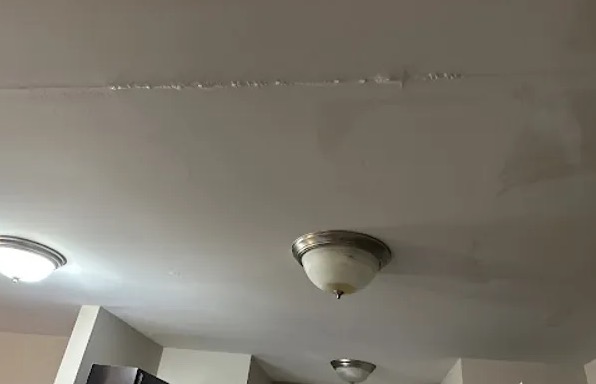
Comprehensive Wall Mold Removal in Richland County
Mold growth on interior walls in Columbia can compromise structural materials and indoor air quality quickly. Prompt wall mold removal is crucial to prevent further damage and potential health concerns.
The mold remediation process for wall mold in Columbia, Olympia, West Columbia and Forest Acres focuses on source elimination and prevention. The experts handle wallpaper mold remediation to mold prevention treatments, documenting damage for insurance claims.
Methods for Wall Mold Removal
Wallpaper Mold Remediation
Remediating mold under wallpaper is a delicate process. The experts use steam or enzymatic solutions to loosen adhesive, minimize damage to the wall, and ensure complete access to the mold colony for effective treatment and removal.
Mold Damaged Paint Removal
Mold damages paint's integrity. The experts remove all unsalvageable paint, clean the substrate, and apply a sealant that locks in any remaining microscopic spores, creating a sound base for a new, durable finish.
Bathroom Wall Mold Cleanup
Mold on bathroom walls and ceilings requires a dual approach: remediation and prevention. The experts not only remove the existing growth but also recommend solutions like exhaust fan upgrades or dehumidifiers to control the damp environment.
Mold Prevention Treatments
Effective mold prevention goes beyond cleaning. The experts use mold-resistant primers and paints on vulnerable surfaces and may recommend humidity control strategies tailored to your home's specific needs to address the underlying cause.
Wall Cavity Mold Remediation
The space between walls can harbor significant mold. The experts address wall cavity mold by accessing the area, removing contaminated insulation, and applying EPA-registered biocides to the structural wood for lasting results.
Warning Signs You Need Wall Mold Remediation
Warped or Soft Drywall
Drywall that feels spongy or appears bulged suggests water damage and potential mold, requiring immediate drywall mold removal.
Visible Mold in Corners
Mold thrives in dark, stagnant corners, especially behind furniture. This localized growth needs targeted wall mold removal.
Peeling Paint or Wallpaper
Bubbling or peeling finishes are common symptoms of moisture and mold damage underneath, a clear sign you need professional help.
New or Worsening Allergies
Unexplained respiratory issues, sneezing, or itchy eyes at home can be caused by airborne mold spores from wall growth.
How Wall Mold Removal Works in Columbia
Step 1: Source Identification and Plan
The specialists diagnose the cause, whether from a leak or humidity. They then create a customized plan for mold on walls removal and containment.
Step 2: Safe Demolition and Removal
Controlled demolition removes mold-damaged drywall and insulation. This step is critical for how to remove mold from drywall properly, ensuring no spores are left behind.
Step 3: Cavity Cleaning and Sanitizing
The exposed wall studs and cavity are HEPA-vacuumed and scrubbed. A broad-spectrum disinfectant is applied to eliminate any remaining mold residues and odors.
Step 4: Air Quality Clearance Testing
Optional post-remediation verification tests the air to confirm spore counts have returned to normal levels, providing confidence that the toxic mold removal was successful.
Common Sources of Wall Mold Growth
Faulty or Clogged Gutters
Gutters that overflow can saturate exterior walls, allowing water to seep inside and cause mold on walls removal scenarios.
Flooding or Spill Oversights
Incomplete drying after any water event leaves moisture trapped behind drywall, creating a perfect habitat for toxic mold removal needs.
Drying Wet Clothes Indoors
Hanging wet laundry inside significantly increases room humidity, which can deposit moisture on walls and encourage mold development.
Condensation From Poor Insulation
Warm, moist air contacting cold exterior walls creates condensation inside, leading to mildew removal from walls being necessary.
Wall Mold Removal for Homes & Businesses in Columbia
Residential Wall Mold Removal
Protecting your home from mold involves dealing with hidden moisture in walls. The service includes bathroom wall mold cleanup and comprehensive drying to prevent recurring problems in your residence.
Commercial Wall Mold Removal
For facilities managers, unchecked wall mold leads to liability and repair costs. The remediation scope covers toxic mold removal, documentation for insurance, and application of antimicrobial coatings.
The Risks of DIY Wall Mold Removal
Safely move furniture away from damp walls to improve air circulation. Do not attempt black mold removal from walls yourself, as improper handling risks health and cross-contamination throughout your home.
What Influences Wall Mold Removal Cost in SC?
The investment for toxic mold removal varies per project in Richland County. Key determinants include the number of walls involved, the depth of mold damage into building materials, and the required post-remediation verification testing to ensure air quality.
Post-Remediation Verification
A final mold inspection and testing by a third party to confirm successful cleanup is a common project closure step.
Containment Requirements
Isolating the work area with plastic sheeting and negative air machines to prevent spore spread adds to the setup and equipment costs.
Air Quality Restoration
Mold spore air scrubbing with industrial HEPA filters is often necessary to clean the air, adding equipment and time expenses.
Does Insurance Cover Wall Mold Removal?
Insurance for bathroom wall mold cleanup depends on the policy's fine print. Many policies cap or exclude mold coverage. The experts document the scene to professional standards. The adjuster decides on covering related repairs.
Why Columbia Homeowners Trust Indoor Air Quality Experts
Detailed Documentation
Thorough notes, photos, and moisture maps are created for your records, which can be useful for personal reference or insurance.
Material Removal Precision
Affected drywall or insulation is carefully removed and bagged on-site to avoid spreading contamination during mold damaged paint removal.
HEPA Filtration Air Scrubbing
Industrial air scrubbers with HEPA filters run continuously to remove airborne mold spores during and after the removal process.
24/7 Emergency Help for Wall Mold Removal
Spreading mold or major water damage behind walls needs 24/7 emergency service. Delay allows spores to spread. Call (803) 941-5983 for professional mold remediation. Local pros can advise on initial steps and prioritize an inspection.
Call Now (803) 941-5983Local Wall Mold Removal Coverage Area
Homeowners in Columbia, seeking mold on walls removal find specialized help. Services also support Olympia, West Columbia and Forest Acres, focusing on drywall mold treatment.
Wall Mold Removal FAQs for Columbia Homeowners
What happens during mold damaged paint removal?
Paint blistered or stained by mold moisture must be scraped or sanded off. The underlying surface is then cleaned, treated, and must be completely dry before new primer and paint can be properly applied.
Can wallpaper mold remediation save the existing wallpaper?
Typically, no. Mold growing on or behind wallpaper usually requires removal of the wallpaper to access, clean, and treat the wall underneath. The wallpaper itself is porous and cannot be adequately salvaged.
How is bathroom wall mold cleanup different from other rooms?
Bathroom cleanup often focuses on non-porous surfaces like tile, requires addressing high humidity sources like poor ventilation, and may involve mold damaged paint removal or caulking replacement to create a moisture-resistant surface.
Is mold testing required before starting wall mold removal?
While not always required, a mold inspection and testing can identify the types of mold present and the spore count in the air, which helps in planning the appropriate remediation scope and safety measures.
What causes mold to grow on interior walls?
The primary cause is excess moisture. This can come from plumbing leaks, roof leaks, high indoor humidity, condensation on cold surfaces, or water intrusion from outside due to faulty seals or drainage.