Lancaster, SC · Lancaster County
Emergency Water Extraction in Lancaster, SCWet Drywall Water Removal & Standing Water Removal
Emergency Water Extraction in Lancaster runs from standing water removal and emergency flood water extraction to wet drywall water removal.
Answered 24/7
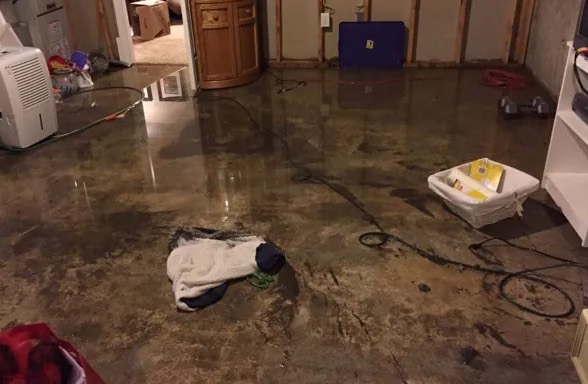
Professional Emergency Water Extraction in Lancaster, SC
A water emergency in a Lancaster business can close the doors. Extraction is planned so the space can reopen as soon as possible.
In Lancaster, Fort Lawn, Heath Springs and Great Falls, storms can send water into many homes at once. Emergency Water Extraction prioritizes standing water and spreading leaks so damage stops growing.
The Emergency Water Extraction Process for Lancaster Properties
Wet Drywall Water Removal
Wet insulation behind drywall is removed along with the soaked section, so the cavity can dry fully.
Standing Water Removal
Standing water on any floor is pumped or extracted as soon as the source is stopped and power is made safe.
Burst Pipe Water Extraction
Burst pipes release a lot of water fast. Extraction and drying start as soon as the pipe is shut off, before it soaks into more materials.
Emergency Water Damage Cleanup
Help is available any hour, because cleanup that waits until morning usually means more materials to remove.
Sewage Backup Cleanup
Sewage cleanup is never just drying. Contaminated materials must come out first so the area is safe again.
Warning Signs You Need Emergency Water Extraction
Mold or Mildew
Dark spots on walls, baseboards or carpet backing mean an area has stayed wet for days.
Dripping Sounds or Leaks
Dripping or running water sounds when nothing is on mean a leak is still active somewhere.
Visible Standing Water
Standing water anywhere inside needs extraction right away, before it soaks into walls, cabinets and subfloors.
Bubbling Paint or Wallpaper
Paint or wallpaper that bubbles has water behind it, often from a leak inside the wall.
How Emergency Water Extraction Works in Lancaster
Step 1: Initial Water Damage Evaluation
Meters and thermal cameras show how far the water spread beyond what is visible.
Step 2: Standing Water Removal
Standing water is pumped out, and wet debris and soaked materials are cleared away.
Step 3: Structural Drying and Air Scrubbing
Drying equipment runs continuously, and air scrubbers filter dust from any removal work.
Step 4: Claim-Ready Damage Reporting
Photos, readings, removal lists and drying logs are organized into a report for the adjuster.
Typical Reasons for Emergency Water Extraction in Lancaster
Burst or Leaking Pipes
Pipes can crack or burst from age, pressure or cold weather, releasing water fast.
Human Error or Accidental Spills
Tubs and sinks left running, and other everyday accidents, can flood rooms and the floor below.
Fire Suppression System Activation
Damaged or triggered fire sprinkler heads can soak a room or a whole floor quickly.
Sewage System Backup
A blocked sewer line pushes wastewater up through floor drains, tubs and toilets.
Both Residential & Commercial Emergency Water Extraction in Lancaster
Residential Emergency Water Extraction
Homeowners with pets or young children should keep them away from sewage or floodwater until cleanup is done.
Commercial Emergency Water Extraction
Restaurants, medical offices and schools need contaminated water cleaned up to the health rules for those spaces before reopening.
Professional Emergency Water Extraction Over DIY in Lancaster
Sewage and floodwater should not be cleaned up without gloves, boots and eye protection. For any backup or flood inside, call local emergency water extraction pros for safe extraction.
Factors Influencing Emergency Water Extraction Cost in Lancaster, SC
Sewage, floodwater and deep standing water in Lancaster cost more to extract than a clean water leak on one floor.
Time of Service Call
Night, weekend and holiday calls can cost more than a scheduled weekday visit.
Necessary Demolition Work
Carpet pad, drywall and flooring that must be removed add labor and disposal costs.
Required Drying Time
Drying usually takes several days, and each extra day of equipment adds to the total.
Does Insurance Cover Emergency Water Extraction?
Insurers expect you to limit further damage. Calling for extraction right away and keeping records helps show that you did.
Why Lancaster Trusts Local Pros for Emergency Water Extraction
Contained Removal
Wet drywall and flooring are removed inside plastic containment to keep dust out of clean rooms.
Moisture Mapping
Meters and thermal cameras show where water spread under floors and inside walls.
Sewage Safety
Sewage is extracted with protective gear, and contaminated areas are cleaned and disinfected.
Always-Available Emergency Water Extraction for Lancaster
Night, weekend or holiday, the pros handle water emergencies in Lancaster. Call (803) 941-5983 any time to talk through the next steps.
Call Now (803) 941-5983Emergency Water Extraction in Lancaster and Other Areas Served
Other places served are listed below, each with its own page.
- Emergency Water Extraction in Fort Lawn
- Emergency Water Extraction in Heath Springs
- Emergency Water Extraction in Great Falls
- Emergency Water Extraction in Richburg
- Emergency Water Extraction in Kershaw
- Emergency Water Extraction in Chester
- Emergency Water Extraction in Bethune
- Emergency Water Extraction in Ridgeway
- Emergency Damage Restoration in 29720
- Storm Damage Restoration in 29720
- Water Damage Restoration in 29720
- Water Extraction Service in 29720
- Water Leak Detection in 29720
- Water Removal Service in 29720
- Emergency Damage Restoration in 29721
- Storm Damage Restoration in 29721
Common Emergency Water Extraction Questions Answered
How should flood water extraction begin?
As soon as the source is stopped and power is safe. Water soaks deeper into materials every hour it sits.
What happens after the water is extracted?
Moisture readings show what is still wet, materials that cannot be saved are removed and drying equipment runs for several days.
What is moisture inspection and why is it needed?
Checking walls, floors and ceilings with meters and thermal cameras to find water that is not visible after extraction.
What is the process for flood water extraction?
Make power safe, pump out deep water, extract floors and carpet, remove contaminated materials and dry the structure.
What follows the initial emergency water extraction?
Structural drying with air movers and dehumidifiers, daily readings and repairs once the building is dry.