Lancaster, SC · Lancaster County
Water Damage Mitigation in Lancaster, SCWet Carpet Drying & Rapid Water Extraction
Water Damage Mitigation in Lancaster includes moisture detection inspection, mold prevention after water and emergency water extraction.
Answered 24/7
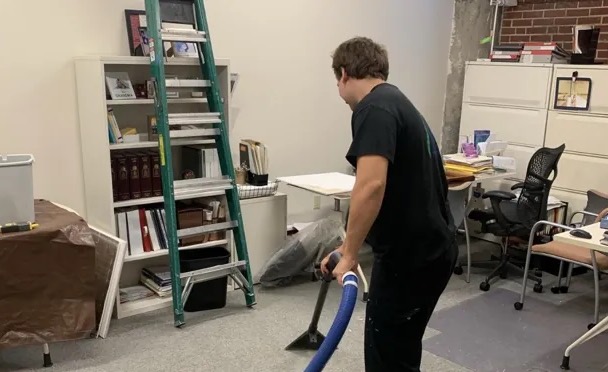
Emergency Water Damage Mitigation for Lancaster Homes
Water damage mitigation means more than removing visible water. Moisture hidden in walls, floors and subfloors causes decay and mold, so pros check for it with meters.
In Lancaster, about 52 miles from Columbia, local water removal pros dry the structure and repair water-damaged drywall, also serving homes in Fort Lawn, Heath Springs and Great Falls.
Complete Water Damage Mitigation Offerings in Lancaster
Wet Carpet Drying
For carpets affected by clean water, professional drying is preferred. The pros assess the carpet's condition.
Rapid Water Extraction
Fast extraction is the first defense. In Lancaster, the pros use industrial equipment to remove floodwater from floors and surfaces before it soaks into the structure.
Floor Water Damage Cleanup
Different flooring materials require specific mitigation strategies. The pros handle wood, vinyl, and concrete floors with appropriate techniques to limit damage.
Water Damaged Drywall Repair
Soggy drywall must be addressed to protect a home's structure. The pros in Lancaster carefully remove wet sections.
Emergency Water Extraction
Professional water extraction addresses visible water. The pros work methodically to pull water from carpets, padding, and hard surfaces.
Signs Your Home Needs Water Damage Mitigation
Water Pooling in Basement
Standing water or damp spots that keep coming back in a basement mean water is still getting in.
Discolored or Stained Ceiling Tiles
Brown or yellow stains on ceiling tiles or drywall point to a leak from above.
Damp or Wet Carpeting
Carpet that feels damp or squishes underfoot has water in the pad and needs extraction.
Visible Water Stains on Walls
Discoloration or staining on walls and ceilings is a clear sign of past or ongoing water intrusion.
How Water Damage Mitigation Works in Lancaster
Step 1: Initial Water Damage Inspection
The process begins with a detailed water damage inspection to assess the source, extent, and category of water.
Step 2: Water Removal Service
Powerful water extraction equipment is deployed to remove bulk water from floors, carpets, and any pooled areas.
Step 3: Targeted Content Drying Services
Furniture, documents, and other contents are carefully dried on-site using specialized techniques like freeze-drying or desiccant chambers to salvage valuable items.
Step 4: Final Mold Prevention Measures
After drying, the pros apply antimicrobial treatment where needed to help prevent mold.
What Causes Water Damage Needing Mitigation
Clogged or Overflowing Gutters
Gutters blocked by debris force water to overflow and pool near the foundation, leading to seepage.
HVAC System Condensation Issues
Faulty condensate drain lines or overflowing drip pans from air conditioners can cause hidden water damage.
Sprinkler System Malfunctions
Broken sprinkler heads or lines can saturate exterior walls and seep into the structure over time.
Burst or Leaking Pipes
Plumbing failures from corrosion, freezing, or high pressure can release large volumes of water into a home.
Home and Business Water Damage Mitigation in Lancaster
Residential Water Damage Mitigation
After a pipe burst, pros in Lancaster extract the water to save flooring and drywall, then find hidden dampness in walls and subfloors and dry the structure.
Commercial Water Damage Mitigation
In warehouses and restaurants, the pros document the damage for insurance, extract water from carpet and floors and dry stock and furniture.
Water Damage Mitigation vs. DIY: When to Call Restoration Pros
If safe, you can turn off the main water supply to stop the flow from a burst pipe. Remove visible standing water with a wet-dry vacuum or mop from hard surfaces. Move small, dry items and area rugs away from the affected zone. Then call the pros for professional water extraction and moisture detection.
Cost Considerations for Water Damage Mitigation in Lancaster
The final expense for water damage repair in Lancaster relates to the labor and equipment hours needed for thorough drying.
Mold Prevention Steps
Antimicrobial treatment to prevent mold adds a step and some cost to the job.
Required Drying Time
Longer drying means more equipment time and more monitoring visits, which adds cost.
Content Drying Needs
Mitigating damage to furniture, documents, or other belongings adds to the project scope and the overall cost of restoration.
Does Insurance Cover Water Damage Mitigation?
Insurance may cover water damage mitigation if the cause is a covered peril, like an appliance overflow. The role of the pros is to perform industry-standard drying and provide documentation for your adjuster. Decisions about reimbursement are made by your insurance provider.
Why Choose Local Pros for Water Damage Mitigation in Lancaster
Focused Material Repair
Pros also repair common problem areas, like water-damaged drywall and wet carpet.
Structural Drying Expertise
Air movers and dehumidifiers dry walls and floors so they do not warp or grow mold.
Detailed Damage Documentation
Pros systematically document all damage with photos and moisture readings, creating a clear record for your reference or insurance needs.
Emergency Water Damage Mitigation Available Around the Clock
Act fast after a flooding incident in Lancaster. Call (803) 941-5983 for emergency water damage mitigation available 24 hours a day. Initial extraction and drying setup are the most important steps in the entire restoration timeline.
Call Now (803) 941-5983Local Water Damage Mitigation Coverage for Lancaster and Beyond
The places below are also served, and each one has its own page.
- Water Damage Mitigation in Fort Lawn
- Water Damage Mitigation in Heath Springs
- Water Damage Mitigation in Great Falls
- Water Damage Mitigation in Richburg
- Water Damage Mitigation in Kershaw
- Water Damage Mitigation in Chester
- Water Damage Mitigation in Bethune
- Water Damage Mitigation in Ridgeway
- Emergency Damage Restoration in 29720
- Storm Damage Restoration in 29720
- Water Damage Restoration in 29720
- Water Extraction Service in 29720
- Water Leak Detection in 29720
- Water Removal Service in 29720
- Emergency Damage Restoration in 29721
- Storm Damage Restoration in 29721
Water Damage Mitigation Information and FAQs
What items can content drying services save?
Content drying services can salvage furniture, documents, electronics, and other belongings by using controlled drying chambers and specialized techniques to remove moisture without causing harm.
Does water damage always lead to mold?
Mold can start within 24 to 48 hours in damp conditions. Full drying and antimicrobial treatment help prevent it.
What happens during a water damage inspection?
A water damage inspection assesses the source, category of water, extent of affected areas, and materials involved to create a scope for the necessary mitigation and drying plan.
What equipment is used for water removal service?
Pros use truck-mounted or portable extractors for water removal, followed by industrial-grade air movers, dehumidifiers, and moisture meters to dry the structure completely.
Is water damage mitigation different from restoration?
Mitigation is the emergency stop-dry-clean phase immediately after the incident. After the structure is dry and stable, restoration is the rebuilding and repair phase that follows.