Jonesville, SC · Union County
Contaminated Water Removal in Jonesville, SCGray Water Damage Cleanup & Black Water Extraction
For a sewer backup, Contaminated Water Removal in Jonesville means sewage backup water removal, sewage water cleanup and contaminated carpet removal.
Answered 24/7
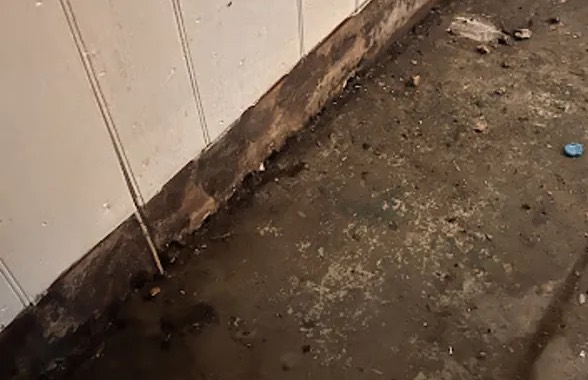
Expert Contaminated Water Removal for Jonesville Homes and Businesses
Clean water that sits for days can become contaminated. In Jonesville, a supply line leak that soaked carpet over a long weekend may need the same cleanup as gray water.
A sewer backup in Jonesville can contaminate a whole floor quickly. Local water damage pros serve Jonesville and nearby Pacolet, Buffalo and Union, with help available around the clock.
Comprehensive Contaminated Water Removal Offerings in Union County
Gray Water Damage Cleanup
Carpet pad soaked by gray water is usually replaced, while hard surfaces are cleaned and disinfected.
Black Water Extraction
Black water extraction starts with containment, so contamination is not tracked through the house during cleanup.
Emergency Water Mitigation
Fast mitigation keeps contamination from spreading into clean rooms, ductwork and the floor below.
Toxic Spill Water Removal
Surfaces touched by chemical-laden water are cleaned with products suited to the contaminant before drying.
Sewage Water Cleanup
Contaminated materials are bagged and disposed of according to local rules, and the removed items are listed for insurance.
Signs of Contaminated Water Damage in Jonesville
Chemical Smell Near Standing Water
A chemical or fuel smell near water means something hazardous may be mixed in. Keep clear.
Discolored Water in Basement
Dark or cloudy water in a basement often carries soil, sewage or debris from outside.
Gray Water From Appliance Leaks
Water from a washer or dishwasher drain is gray water and needs cleaning, not just drying.
Sewage Backup in Home
Sewage coming up through toilets, tubs or floor drains is black water and needs protective cleanup right away.
How Contaminated Water Removal Works in Jonesville
Step 1: Emergency Assessment and Containment
Water use is stopped, power is made safe and the area is sealed off with plastic sheeting.
Step 2: Contaminated Water Extraction
Workers in protective gear extract the water and remove solids and debris.
Step 3: Deep Cleaning and Disinfection
Porous materials such as carpet and drywall are removed, and hard surfaces are scrubbed and disinfected.
Step 4: Drying and Moisture Control
Air movers, dehumidifiers and air scrubbers dry the structure, with readings taken daily.
Common Causes of Contaminated Water in Jonesville
Plumbing System Failures
Cracked drain pipes and failed fittings leak wastewater into walls, floors and crawl spaces.
Natural Disaster Aftermath
After storms and floods, water carries debris and contaminants from streets and yards.
Heavy Rainfall and Flooding
Heavy rain and flooding carry soil, chemicals and sewage into buildings through doors and walls.
Industrial or Chemical Spills
Spills of fuel, oil or chemicals can mix with water and spread across floors and soil.
Contaminated Water Removal Across Jonesville Residential and Commercial Sectors
Residential Contaminated Water Removal
A gray water leak from a washer is often less severe than sewage, but it still needs cleaning before drying.
Commercial Contaminated Water Removal
Medical offices, schools and childcare centers need contaminated water cleanup that meets the health rules for those spaces before reopening.
Professional Contaminated Water Removal Over DIY in Jonesville, SC
For a small gray water spill on tile caught right away, gloves, a mop and a disinfectant are enough. Call local water damage pros for sewage, floodwater or any spill that reached carpet or drywall.
Cost Considerations for Contaminated Water Removal in Jonesville
In Jonesville, black water cleanup usually costs more than gray water cleanup, because more materials are removed and every surface is disinfected.
Water Source and Volume
A large volume of water, or water from several sources, adds pumping and cleanup time.
Contamination Category
Black water costs more to clean up than gray water, since more materials are removed and disinfected.
Access Complexity
Crawl spaces, basements and tight areas take longer to reach and clean safely.
Does Insurance Cover Contaminated Water Removal?
Photograph the water, the source and damaged belongings before cleanup starts, and keep receipts for emergency extraction, disposal and any hotel stay.
The Value of Local Pros for Contaminated Water Removal in Union County
Contaminant Handling
Each type of contamination is handled with the right protective gear and cleaning products.
Advanced Extraction Equipment
Pumps and extractors remove contaminated water quickly, with less contact and spread.
Structural Drying Expertise
Walls, subfloors and framing are dried after cleaning, not just the visible surfaces.
24/7 Emergency Contaminated Water Removal in Jonesville
If contaminated water is near outlets or appliances, shut off power at the panel if it is safe and stay out of it. Then call (803) 941-5983 for help.
Call Now (803) 941-5983Contaminated Water Removal Near Jonesville: Areas Served
Nearby areas served for contaminated water removal include Pacolet, Buffalo and Union, with the same containment and cleanup steps used in Jonesville.
- Contaminated Water Removal in Pacolet
- Contaminated Water Removal in Buffalo
- Contaminated Water Removal in Union
- Contaminated Water Removal in Monarch Mill
- Contaminated Water Removal in Lockhart
- Contaminated Water Removal in Cross Anchor
- Contaminated Water Removal in Enoree
- Contaminated Water Removal in Carlisle
- Emergency Damage Restoration in 29353
- Storm Damage Restoration in 29353
- Water Damage Restoration in 29353
- Water Extraction Service in 29353
- Water Leak Detection in 29353
- Water Removal Service in 29353
Common Contaminated Water Removal Questions Answered
What is involved in sewage backup cleanup?
Containing the area, extracting the sewage, removing soaked carpet and drywall, disinfecting surfaces and drying.
How does emergency water mitigation help prevent mold?
Removing contaminated water and materials quickly and drying the structure keeps microbial growth from starting.
What is the difference between water extraction and restoration?
Extraction removes the water. Restoration includes cleaning, disinfection, drying and preparing the area for repairs.
What equipment is used for contaminated water removal?
Pumps and extractors, protective gear, disinfectants and air scrubbers, plus dehumidifiers, air movers and moisture meters for drying.
What is the process for toxic spill water removal?
The area is made safe, the water is removed without spreading it and surfaces are cleaned with suitable products. Large spills may need a hazmat contractor.