Cross Anchor, SC · Spartanburg County
Contaminated Water Removal in Cross Anchor, SCContaminated Carpet Removal & Black Water Extraction
Homeowners in Cross Anchor get Contaminated Water Removal for sewage water cleanup, gray water damage cleanup and black water extraction.
Answered 24/7
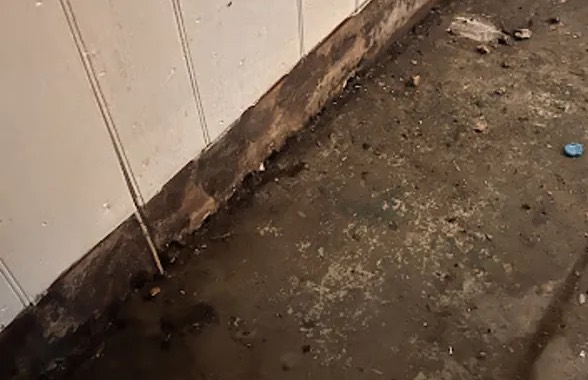
Local Contaminated Water Removal Services in Cross Anchor, South Carolina
A sewer backup in a Cross Anchor home usually shows up at the lowest drain first: a floor drain, shower or ground-floor toilet. Several drains backing up at once points to the main line.
A sewer backup in Cross Anchor can contaminate a whole floor quickly. Local water extraction experts serve Cross Anchor and nearby Enoree, Buffalo and Clinton, with help available around the clock.
Contaminated Water Removal and Restoration Services in Cross Anchor
Contaminated Carpet Removal
Carpet and pad soaked by sewage, floodwater or old gray water are cut out, bagged and removed from the home.
Black Water Extraction
Porous materials soaked by black water usually cannot be cleaned safely, so they are bagged and removed before drying.
Emergency Water Mitigation
Fast mitigation keeps contamination from spreading into clean rooms, ductwork and the floor below.
Sewage Water Cleanup
Water carrying waste or other biological contamination is extracted with full protective gear, and the area is cleaned in a contained zone.
Toxic Spill Water Removal
Surfaces touched by chemical-laden water are cleaned with products suited to the contaminant before drying.
Indicators You Require Emergency Contaminated Water Removal
Gray Water From Appliance Leaks
Water from a washer or dishwasher drain is gray water and needs cleaning, not just drying.
Black Water After Heavy Rains
Water that flowed in from outside after heavy rain carries soil and contaminants and is treated as black water.
Chemical Smell Near Standing Water
A chemical or fuel smell near water means something hazardous may be mixed in. Keep clear.
Mold After a Flood
Dark spots on walls or floors after a flood mean contaminated materials have stayed wet too long.
How Contaminated Water Removal Works in Cross Anchor
Step 1: Initial Hazard Assessment
The type of contamination is identified and the right protective gear is chosen.
Step 2: Source Control and Water Extraction
The backup or leak is stopped, and contaminated water is extracted right away.
Step 3: Removal and Disposal
Contaminated materials are removed, bagged and disposed of according to local rules for that kind of waste.
Step 4: Drying and Dehumidification
Clean surfaces are dried with dehumidifiers and air movers until readings are normal.
Common Causes of Contaminated Water in Cross Anchor
Septic Tank Backups
A full or failing septic system sends wastewater back up through the lowest drains.
Natural Disaster Aftermath
After storms and floods, water carries debris and contaminants from streets and yards.
Gray Water Source Overflow
Overflowing laundry tubs and sinks send gray water across floors and into nearby rooms.
Appliance Malfunctions and Leaks
Washers, dishwashers and sink drains leak or back up with soapy, dirty gray water.
Residential and Commercial Contaminated Water Removal in Cross Anchor
Residential Contaminated Water Removal
A gray water leak from a washer is often less severe than sewage, but it still needs cleaning before drying.
Commercial Contaminated Water Removal
Medical offices, schools and childcare centers need contaminated water cleanup that meets the health rules for those spaces before reopening.
Contaminated Water Removal vs. DIY: When to Call the Pros
If you smell fuel or chemicals near the water, leave the area and keep it ventilated. Call the fire department if needed, then call local water extraction experts for the water damage.
Estimating Contaminated Water Removal Expenses in Spartanburg County
In Cross Anchor, black water cleanup usually costs more than gray water cleanup, because more materials are removed and every surface is disinfected.
Sanitization Procedures
Disinfecting every affected surface, from floors to lower walls, takes time and specialized products.
Water Source and Volume
A large volume of water, or water from several sources, adds pumping and cleanup time.
Material Removal Needs
Removing and disposing of contaminated carpet, pad and drywall adds labor and fees.
Does Insurance Cover Contaminated Water Removal?
Coverage for contaminated water removal depends on the source of the water and your policies. The pros document the damage, and your insurer decides what is covered.
Advantages of Hiring Local Pros in Cross Anchor for Contaminated Water Removal
Structural Drying Expertise
Walls, subfloors and framing are dried after cleaning, not just the visible surfaces.
Advanced Extraction Equipment
Pumps and extractors remove contaminated water quickly, with less contact and spread.
Detailed Damage Documentation
Photos, removal lists and drying logs are kept to support your insurance claim.
Emergency Contaminated Water Removal Response for Cross Anchor, SC
If contaminated water is near outlets or appliances, shut off power at the panel if it is safe and stay out of it. Then call (803) 941-5983 for help.
Call Now (803) 941-5983Contaminated Water Removal Coverage in Cross Anchor, Enoree, Buffalo and Clinton
Contaminated water removal also covers homes and businesses in Enoree, Buffalo and Clinton, close to Cross Anchor, day or night.
- Contaminated Water Removal in Enoree
- Contaminated Water Removal in Buffalo
- Contaminated Water Removal in Clinton
- Contaminated Water Removal in Woodruff
- Contaminated Water Removal in Laurens
- Contaminated Water Removal in Monarch Mill
- Contaminated Water Removal in Union
- Contaminated Water Removal in Gray Court
- Emergency Damage Restoration in 29331
- Storm Damage Restoration in 29331
- Water Damage Restoration in 29331
- Water Extraction Service in 29331
- Water Leak Detection in 29331
- Water Removal Service in 29331
Contaminated Water Removal in Cross Anchor: Your Questions
Is it safe to stay home during contaminated water cleanup?
Often yes, if the work area is contained and you stay out of it. People with health concerns may prefer to stay elsewhere.
What happens during the drying phase after cleanup?
Air movers and dehumidifiers dry the cleaned structure, and readings are taken daily until it is normal.
How quickly should black water removal begin?
Right away. Black water spreads bacteria and odor into materials the longer it sits, increasing what must be removed.
What is contaminated water removal?
Extracting gray or black water with protective gear, removing soaked porous materials, disinfecting surfaces and drying the structure.
Can microbial growth be avoided after contaminated water damage?
Usually, if contaminated materials are removed and the structure is dried quickly after cleaning.