Ridge Spring, SC · Saluda County
Basement Water Removal in Ridge Spring, SCBasement Moisture Inspection & Basement Dehumidification
After a burst pipe or storm, Basement Water Removal in Ridge Spring means basement water pump out, basement wall drying and basement drying services.
Answered 24/7
Expert Basement Water Removal in Ridge Spring, Johnston, Batesburg-Leesville and Saluda
A wet basement gets worse every hour the water stays. In Ridge Spring, water on a basement floor wicks up drywall, soaks carpet pad and seeps into the concrete, and cool below-grade air keeps it from drying on its own.
A single storm or burst pipe in Ridge Spring can flood a basement. Local basement drying experts serve Ridge Spring and nearby Johnston, Batesburg-Leesville and Saluda, with help available around the clock.
Comprehensive Basement Water Removal Solutions
Basement Moisture Inspection
Moisture meters and thermal cameras check walls, floors and the slab for water that is not visible, including behind finished walls.
Basement Dehumidification
After drying, a household dehumidifier may still be needed to keep basement humidity in a healthy range.
Basement Wall Drying
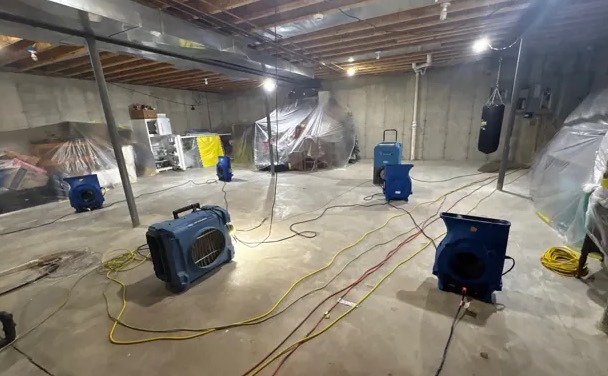
Concrete and block walls dry with directed airflow and dehumidification, which pull water out of the masonry.
Sump Pump Failure Water Cleanup
When a sump pump stops, groundwater spreads across the floor. The water is pumped out and the floor and lower walls are extracted.
Basement Drying Services
Equipment stays until the basement reads dry, not just until it looks dry. Removing it early lets dampness return.
Warning Signs You Need Basement Water Removal
Musty Odors and Mold Smell
A musty or damp smell in the basement points to wet materials hidden somewhere in the space.
Warped or Buckling Flooring
Flooring that buckles, lifts or feels spongy has water trapped between it and the slab.
Water Stains on Walls or Ceiling
Stains on lower walls or the ceiling below a bathroom or kitchen point to a leak.
High Humidity and Condensation
Water on pipes and windows, or a constantly clammy feel, means basement humidity is too high.
How Basement Water Removal Works in Ridge Spring
Step 1: First Call and Initial Assessment
The source, the type of water and the depth are checked, and the water level is photographed.
Step 2: Bulk Water and Contaminant Removal
Pumps remove standing water, and carpet, pad or drywall touched by dirty water is removed.
Step 3: Drying With Monitoring
Dehumidifiers and air movers run around the clock, with readings logged every day on walls and slab.
Step 4: Post-Drying Evaluation and Documentation
Final readings and photos are compiled to show the basement is dry and what was removed.
Sources of Basement Water Problems
Window Well Leaks and Drainage
Window wells without drains or covers fill with rain and leak through the windows.
Clogged or Damaged Gutters
Clogged gutters and short downspouts dump roof water right next to the foundation.
Appliance Malfunctions and Overflows
Washers, utility sinks and water softeners in the basement can overflow or leak.
Foundation Cracks and Seepage
Cracks in foundation walls and the slab let groundwater seep in during wet weather.
Basement Water Removal for Homes and Businesses
Residential Basement Water Removal
Families should keep children and pets away from basement water until power is safe and the type of water is known.
Commercial Basement Water Removal
In restaurants and shops, basement water near food or stock storage needs removal and cleaning before those areas are used again.
Basement Water Removal vs. DIY: When to Call the Pros
Checking appliance hoses and extending downspouts away from the house are good DIY steps before storm season. Once the basement floods, call (803) 941-5983 for help.
Understanding Basement Water Removal Pricing
In Ridge Spring, the drying phase usually costs more than the pumping, because basements need equipment running for several days.
Additional Services
Antimicrobial treatment, contents cleaning and repairs after drying add to the cost.
Contamination Level
Sewage or dirty water needs protective gear, removal and disinfection, which costs more.
Water Depth and Volume
Deeper water takes more pumping time and usually means more materials got wet.
Does Insurance Cover Basement Water Removal?
Photos, moisture readings and drying logs from local basement drying experts help support an insurance claim for basement water damage in Ridge Spring.
The Value of Professional Basement Water Removal
Clear Communication
You get plain updates on what was found, what was removed and how drying is going.
Moisture Inspection
Meters and thermal cameras find water in walls, floors and slab that looks dry.
Contamination Safety Protocols
Sewage and dirty water are handled with protective gear, containment and disinfection.
Emergency Basement Flood Response in Ridge Spring
If water is near outlets, the furnace or the electrical panel, stay out of it. Call (803) 941-5983 for help in Ridge Spring and wait for power to be made safe.
Call Now (803) 941-5983Local Basement Water Removal Coverage for Johnston, Batesburg-Leesville and Saluda
Help with basement water removal reaches Johnston, Batesburg-Leesville and Saluda, plus other communities around Ridge Spring, for finished and unfinished basements alike.
- Basement Water Removal in Johnston
- Basement Water Removal in Batesburg-Leesville
- Basement Water Removal in Saluda
- Basement Water Removal in Edgefield
- Basement Water Removal in Gilbert
- Basement Water Removal in Aiken
- Basement Water Removal in Wagener
- Basement Water Removal in Prosperity
- Emergency Damage Restoration in 29129
- Storm Damage Restoration in 29129
- Water Damage Restoration in 29129
- Water Extraction Service in 29129
- Water Leak Detection in 29129
- Water Removal Service in 29129
Common Basement Water Removal Questions Answered
What should I do right after basement flooding?
Make power safe, avoid sewage, move belongings above the water, take photos and call for water removal.
How does a basement moisture inspection work?
Moisture meters and thermal cameras check walls, floors and the slab, including behind finished walls and under flooring.
Is a sump pump failure an emergency?
Yes, especially during rain. Groundwater can rise quickly once the pump stops, flooding the floor and finished rooms.
Why is basement dehumidification important after pumping?
Walls and concrete keep releasing moisture for days. Dehumidifiers remove it so the basement does not stay damp.
How is basement wall drying done?
Wet drywall is cut back, insulation removed and directed airflow and dehumidifiers dry the studs and masonry.