Batesburg-Leesville, SC · Lexington County
Basement Water Removal in Batesburg-Leesville, SCBasement Floor Water Damage & Basement Wall Drying
Basement Water Removal in Batesburg-Leesville covers basement water pump out, basement wall drying and basement dehumidification after a flood.
Answered 24/7
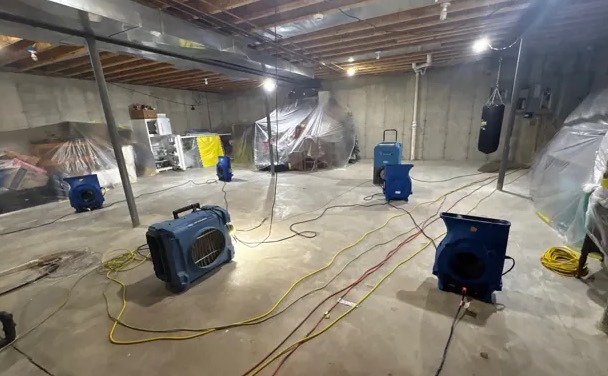
Professional Basement Water Removal in Batesburg-Leesville, SC
In Batesburg-Leesville, a burst pipe or heavy rain can let water rise fast in a basement. The water usually spreads from the low point across the whole floor and into finished rooms.
Homes in Batesburg-Leesville and nearby Gilbert, Ridge Spring and Saluda with basements face storm seepage, sewer backups and plumbing leaks. Help with basement water removal covers pump-out, wall and floor drying and dehumidification.
Professional Basement Water Removal Offerings
Basement Floor Water Damage
Concrete floors are squeegeed, extracted and dried with airflow and dehumidifiers until moisture readings drop.
Basement Wall Drying
Basement walls are checked with moisture meters. Wet drywall is cut back above the water line, and insulation behind it is removed.
Basement Drying Services
Drying plans for basements account for cool air and thick concrete, which hold moisture longer than upper floors.
Sump Pump Failure Water Cleanup
When a sump pump stops, groundwater spreads across the floor. The water is pumped out and the floor and lower walls are extracted.
Basement Moisture Inspection
An inspection shows how high water wicked up the walls and how far it spread under flooring, which sets the drying plan.
When to Call for Basement Water Removal in Batesburg-Leesville
High Humidity and Condensation
Water on pipes and windows, or a constantly clammy feel, means basement humidity is too high.
Gurgling Sounds From Drains
Gurgling floor drains or slow drains can be an early sign of a sewer line problem.
Wet or Damp Basement Walls
Basement walls that look dark, feel damp or show tide lines are taking on or holding water.
Efflorescence on Concrete Walls
White, powdery deposits on concrete walls mean water is passing through the masonry.
How Basement Water Removal Works in Batesburg-Leesville
Step 1: First Call and Initial Assessment
The source, the type of water and the depth are checked, and the water level is photographed.
Step 2: Bulk Water and Contaminant Removal
Pumps remove standing water, and carpet, pad or drywall touched by dirty water is removed.
Step 3: Drying With Monitoring
Dehumidifiers and air movers run around the clock, with readings logged every day on walls and slab.
Step 4: Post-Drying Evaluation and Documentation
Final readings and photos are compiled to show the basement is dry and what was removed.
Sources of Basement Water Problems
Heavy Rainfall and Storm Flooding
Heavy rain saturates the soil and pushes water through walls, cracks and the floor joint.
Foundation Cracks and Seepage
Cracks in foundation walls and the slab let groundwater seep in during wet weather.
Clogged or Damaged Gutters
Clogged gutters and short downspouts dump roof water right next to the foundation.
Sewer Line Backups and Blockages
A blocked sewer line can push wastewater up through basement floor drains and toilets.
Professional Basement Water Removal for All Properties
Residential Basement Water Removal
Finished basements used as bedrooms or family rooms need careful moisture checks behind walls and under flooring, since that is where water hides.
Commercial Basement Water Removal
Businesses with below-grade storage need wet inventory moved out and documented. Drying is planned around daily operations wherever possible.
When to Hire Local Pros for Basement Water Removal
You can move belongings up off the floor and run the dehumidifier you already own. Drying soaked walls and slab needs larger equipment and readings to confirm the job is done.
Investing in Professional Basement Water Removal
Waterproofing and drainage work are separate costs. In Batesburg-Leesville, they may be needed to stop the next flood.
Drying Time Required
Basements dry slowly, and each extra day of equipment adds to the total.
Access and Complexity
Narrow stairs, low ceilings and crowded storage areas make the work slower and longer.
Additional Services
Antimicrobial treatment, contents cleaning and repairs after drying add to the cost.
Does Insurance Cover Basement Water Removal?
Coverage for basement water removal depends on the water source and your policy. The pros document the damage and drying, and your insurer decides what is covered.
Advantages of Local Basement Water Removal Experts
Detailed Damage Documentation
Photos, readings and drying logs are kept to support your insurance claim.
Advanced Drying Equipment
Pumps, extractors and large dehumidifiers remove water much faster than household tools.
Clear Communication
You get plain updates on what was found, what was removed and how drying is going.
Round-the-Clock Basement Water Removal for Batesburg-Leesville
Storm night, weekend or holiday, local water extraction experts handle basement water in Batesburg-Leesville. Call (803) 941-5983 to get pumps running and drying started.
Call Now (803) 941-5983Basement Water Removal Serving Batesburg-Leesville and Surroundings
Other places served are listed below, each with its own page.
- Basement Water Removal in Gilbert
- Basement Water Removal in Ridge Spring
- Basement Water Removal in Saluda
- Basement Water Removal in Johnston
- Basement Water Removal in Red Bank
- Basement Water Removal in Pomaria
- Basement Water Removal in Camden
- Basement Water Removal in Wagener
- Emergency Damage Restoration in 29006
- Storm Damage Restoration in 29006
- Water Damage Restoration in 29006
- Water Extraction Service in 29006
- Water Leak Detection in 29006
- Water Removal Service in 29006
Frequently Asked Basement Water Removal Questions
What should I do right after basement flooding?
Make power safe, avoid sewage, move belongings above the water, take photos and call for water removal.
Can wet drywall in a basement be saved?
Sometimes, if the water was clean and removed quickly. Soaked or contaminated drywall is cut out above the water line.
Does basement flood cleanup include mold prevention?
Fast drying is the main prevention. Wood and concrete that stayed wet can be treated with an antimicrobial once dry.
What equipment is used for basement water extraction?
Submersible pumps, extractors, wet vacs, air movers, large dehumidifiers and moisture meters to confirm drying.
What happens during basement moisture control?
Dehumidifiers and air movers keep humidity low while materials dry, and readings confirm when the space is normal.