Lancaster, SC · Lancaster County
Attic Water Removal in Lancaster, SCEmergency Attic Water Extraction & Attic Moisture Inspection
Attic Water Removal in Lancaster runs from roof leak water removal and wet attic insulation removal to ceiling water damage cleanup.
Answered 24/7
Expert Attic Water Removal for Lancaster
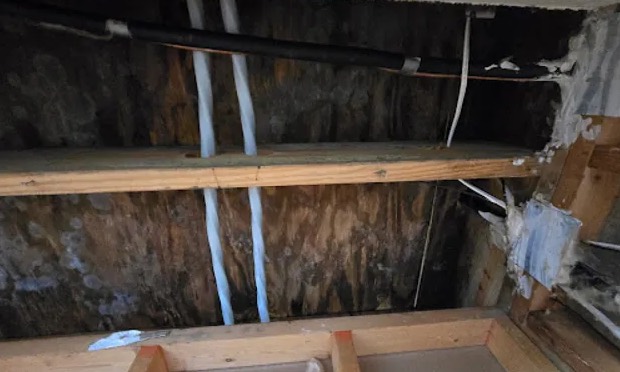
Attic leaks that run for a long time in Lancaster can rot roof decking and rust fasteners. Even after the roof is fixed, that wood stays wet unless it is dried.
A heavy storm in Lancaster can push water into an attic overnight. Local attic water removal pros serve Lancaster and nearby Fort Lawn, Heath Springs and Great Falls, with help available around the clock.
Attic Water Removal Services in Lancaster
Emergency Attic Water Extraction
Emergency extraction starts with buckets and containment under active drips, then moves to pulling pooled water off the attic floor.
Attic Moisture Inspection
The inspection shows the full spread of the leak, so every wet area is either dried or removed.
Wet Attic Insulation Removal
Fiberglass batts are lifted out by hand, while wet blown-in insulation is vacuumed with a high-powered insulation vacuum.
Ceiling Water Damage Cleanup
After the ceiling cavity is dry, the opening is ready for new drywall, tape and paint.
Roof Leak Water Removal
The entry point is photographed and marked, which helps both the roofer and your insurance adjuster.
Indicators of Attic Water Damage in Lancaster
Water Stains on Ceiling
A brown ring or yellow patch on an upstairs ceiling usually means water is sitting on the drywall from the attic.
Visible Mold in Attic Spaces
Dark spots on rafters or roof decking mean the wood has stayed damp for days or longer.
High Utility Bills Unexpectedly
Wet insulation loses its insulating value, so energy bills can rise after an attic leak.
Water Dripping From Light Fixtures
Water dripping from a ceiling light or fan means an active leak above. Turn off that circuit.
How Attic Water Removal Works in Lancaster
Step 1: Containment and Safety Setup
Power to wet fixtures is shut off and plastic sheeting protects the room below.
Step 2: Roof Leak Water Removal and Cleanout
Rainwater is removed, a tarp is placed over roof damage, and wet debris is cleared.
Step 3: Moisture Evaporation and Attic Drying
Equipment runs on safe footing in the attic, with readings checked each day.
Step 4: Validation of Dry Conditions
Final readings are compared to dry areas to confirm the attic is ready for new insulation.
Typical Sources of Attic Water Damage
Appliance Malfunctions Like Water Heater Leaks
Water heaters located in the attic can leak or fail, flooding the attic floor.
Overflow From Clogged Bathroom Exhaust Ducts
Bathroom fan ducts that are loose or vented into the attic release moisture onto the wood.
Burst or Leaking Plumbing Pipes
Supply lines and drain pipes in the attic can crack or burst onto the ceiling.
Storm Damage From High Winds or Hail
High winds and hail can damage shingles and open the roof to rain during a storm.
Residential and Commercial Attic Water Removal in Lancaster
Residential Attic Water Removal
Homeowners with stored items in the attic need those moved out first. Wet boxes are dried or discarded before the attic floor is cleaned and dried.
Commercial Attic Water Removal
Offices and stores need the space below protected while attic work is under way. Drying is planned around business hours where possible.
The Risks of DIY Attic Water Removal in Lancaster
If the ceiling is bulging, keep people out of the room and place a bucket nearby. Local attic water removal pros can drain and remove it in a controlled way.
What Affects Attic Water Removal Cost in Lancaster
The pros inspect the attic and the ceiling before pricing attic water removal in Lancaster, then explain what will be removed and dried.
Access and Attic Complexity
Low headroom and small access hatches make attic work slower than open spaces.
Type of Insulation Affected
Blown-in insulation takes more time to remove than batts, and both add disposal costs.
Secondary Damage Repairs
Ceiling drywall replacement and paint in the room below add to the total.
Does Insurance Cover Attic Water Removal?
Ceiling damage in the rooms below is usually part of the same attic claim. Make sure the adjuster sees both spaces.
Benefits of Local Pros for Attic Water Removal
Industry Drying Standards
Drying follows industry water damage standards, with moisture readings taken at every visit.
Controlled Demolition Practices
Only wet insulation and drywall are removed, which keeps the repair as small as possible.
Structural Drying Focus
Rafters, decking and the ceiling are dried, not just the spot under the drip.
Round-the-Clock Attic Water Removal for Lancaster
If water is dripping from a light fixture, shut off that circuit at the panel and keep clear. Then call (803) 941-5983 for help in Lancaster.
Call Now (803) 941-5983Communities Served for Attic Water Removal
Each place listed below has its own page with local details.
- Attic Water Removal in Fort Lawn
- Attic Water Removal in Heath Springs
- Attic Water Removal in Great Falls
- Attic Water Removal in Richburg
- Attic Water Removal in Kershaw
- Attic Water Removal in Chester
- Attic Water Removal in Bethune
- Attic Water Removal in Ridgeway
- Emergency Damage Restoration in 29720
- Storm Damage Restoration in 29720
- Water Damage Restoration in 29720
- Water Extraction Service in 29720
- Water Leak Detection in 29720
- Water Removal Service in 29720
- Emergency Damage Restoration in 29721
- Storm Damage Restoration in 29721
Frequently Asked Questions About Attic Water Removal
Do I need ceiling water damage cleanup too?
Usually. Water in the attic soaks the ceiling below, which needs to be checked and dried or replaced.
What causes attic water damage?
Roof leaks, plumbing failures, attic AC overflows, water heater leaks, loose bath fan ducts and poor ventilation.
What is an attic moisture inspection?
A check of rafters, decking, insulation and the ceiling below with moisture meters and thermal cameras to find all wet areas.
What does water damaged attic restoration include after drying?
New insulation, any decking or framing repairs, and ceiling drywall replacement and paint in the room below.
What is involved in attic water removal?
Stopping the source, removing pooled water, bagging wet insulation, drying the framing and decking, and checking the ceiling below.