Great Falls, SC · Chester County
Attic Water Removal in Great Falls, SCWet Attic Insulation Removal & Attic Moisture Inspection
Get attic water removal in Great Falls for attic moisture inspection, attic leak water cleanup and attic mold prevention.
Answered 24/7
Reliable Attic Water Removal Near Great Falls
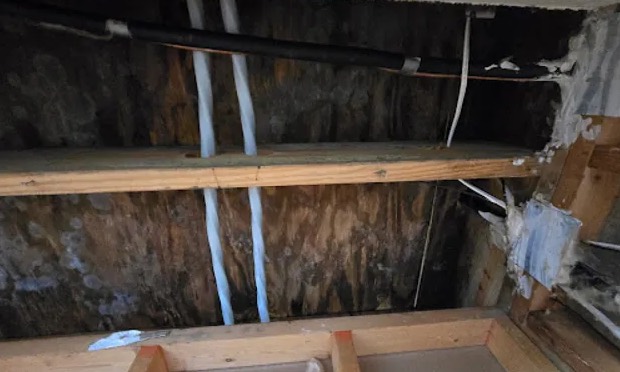
Attic leaks that run for a long time in Great Falls can rot roof decking and rust fasteners. Even after the roof is fixed, that wood stays wet unless it is dried.
In Great Falls, attic water calls often start with a ceiling stain after heavy rain or a dripping AC drain. Local water damage restoration experts serve Great Falls, Fort Lawn, Richburg and Lancaster, removing water and wet insulation and drying the attic.
Specialized Attic Water Removal for Great Falls
Wet Attic Insulation Removal
Fiberglass batts are lifted out by hand, while wet blown-in insulation is vacuumed with a high-powered insulation vacuum.
Attic Moisture Inspection
Moisture meters and thermal cameras check rafters, decking, insulation and the ceiling below, even in spots that look dry.
Roof Leak Water Removal
A temporary tarp over the damaged section keeps more rain out until the roofer can make a permanent repair.
Attic Mold Prevention
Fast drying is the main protection. Antimicrobial treatment is added only where framing and decking stayed wet long enough to need it.
Ceiling Water Damage Cleanup
Fallen drywall, wet insulation and debris in the room below are cleaned up, and floors and furniture are protected during the work.
Signs of Attic Water Damage in Great Falls
Sagging or Bubbling Ceiling Drywall
Ceiling drywall that sags, bulges or bubbles at the seams is holding water and may fall.
Wet or Damp Attic Insulation
Insulation that feels damp, looks dark or has packed down in one area has absorbed water.
Visible Mold in Attic Spaces
Dark spots on rafters or roof decking mean the wood has stayed damp for days or longer.
Condensation on Attic Windows or Nails
Damp nail tips or water droplets on attic surfaces point to moisture or ventilation problems.
How Attic Water Removal Works in Great Falls
Step 1: Attic Flood Cleanup Response
Active drips are contained with buckets and plastic, and the room below is protected.
Step 2: Targeted Attic Moisture Removal
Water is vacuumed from between joists and on top of drywall, starting where it is deepest.
Step 3: Attic Dehumidification
Dehumidifiers pull moisture from the attic air while air movers dry the wet framing.
Step 4: Documentation for Restoration
Photos and moisture readings are compiled to show what was removed and when the attic dried.
Typical Sources of Attic Water Damage
Appliance Malfunctions Like Water Heater Leaks
Water heaters located in the attic can leak or fail, flooding the attic floor.
Storm Damage From High Winds or Hail
High winds and hail can damage shingles and open the roof to rain during a storm.
Flashing Failures Around Roof Penetrations
Failed flashing around vents, chimneys and skylights lets rain run into the attic.
Clogged or Disconnected Gutters
Clogged or loose gutters let water back up under the roof edge and into the soffits.
Home and Business Attic Water Removal Solutions
Residential Attic Water Removal
In townhomes and condos, a shared attic can carry water into a neighbor's ceiling. Clear photos and readings help sort out repairs with the association.
Commercial Attic Water Removal
Property managers get records for each affected suite or unit, which helps with roof repair planning and insurance claims.
The Risks of DIY Attic Water Removal in Great Falls
Catching drips with a bucket and moving furniture out of the way is a smart first step. Call local water damage restoration experts if water is pooling in the attic, the ceiling is stained or sagging, or insulation is wet.
Understanding Attic Water Removal Pricing
An attic leak handled the same day in Great Falls usually costs less than one left until the ceiling sags and has to be torn out.
Secondary Damage Repairs
Ceiling drywall replacement and paint in the room below add to the total.
Type of Insulation Affected
Blown-in insulation takes more time to remove than batts, and both add disposal costs.
Mold Prevention Measures
Antimicrobial treatment of wood that stayed wet is an added step, priced by area.
Does Insurance Cover Attic Water Removal?
Photos, moisture readings and drying logs from the experts help support an insurance claim for attic water damage in Great Falls.
Why Choose Local Pros for Attic Water Removal in Great Falls
Source Identification
The pros trace the water to its source and note it for the roofer or plumber.
Structural Drying Focus
Rafters, decking and the ceiling are dried, not just the spot under the drip.
Dehumidification Equipment
Dehumidifiers sized for the attic remove moisture much faster than roof vents and open hatches alone.
Round-the-Clock Attic Water Removal for Great Falls
Ceiling sagging under the weight of water? Keep people out of the room below and call (803) 941-5983 now for attic water removal in Great Falls.
Call Now (803) 941-5983Nearby Towns for Attic Water Removal from Great Falls
Besides Great Falls, the experts remove attic water, wet insulation and soaked ceiling drywall in nearby Fort Lawn, Richburg and Lancaster.
- Attic Water Removal in Fort Lawn
- Attic Water Removal in Richburg
- Attic Water Removal in Lancaster
- Attic Water Removal in Heath Springs
- Attic Water Removal in Winnsboro
- Attic Water Removal in Ridgeway
- Attic Water Removal in Chester
- Attic Water Removal in Kershaw
- Emergency Damage Restoration in 29055
- Storm Damage Restoration in 29055
- Water Damage Restoration in 29055
- Water Extraction Service in 29055
- Water Leak Detection in 29055
- Water Removal Service in 29055
Frequently Asked Questions About Attic Water Removal
What does water damaged attic restoration include after drying?
New insulation, any decking or framing repairs, and ceiling drywall replacement and paint in the room below.
What are attic dehumidification services?
Dehumidifiers placed in the attic pull moisture from the air and wood, speeding drying after a leak.
Can I remove attic water myself?
Only small amounts that are easy to reach safely. Pooled water and soaked insulation need safe footing and drying equipment.
Why is emergency attic drying important?
Wet wood and drywall break down quickly. Drying fast saves more of the ceiling and lowers the risk of microbial growth.
How quickly should I deal with water in my attic?
Right away. Water on top of ceiling drywall soaks in and adds weight, and the ceiling can sag or fall within a day.