Johnston, SC · Edgefield County
Aquarium Leak Water Removal in Johnston, SCEmergency Aquarium Leak Response & Aquarium Floor Drying
Aquarium Leak Water Removal in Johnston covers aquarium leak water extraction, aquarium flood cleanup and aquarium floor drying after a tank fails.
Answered 24/7
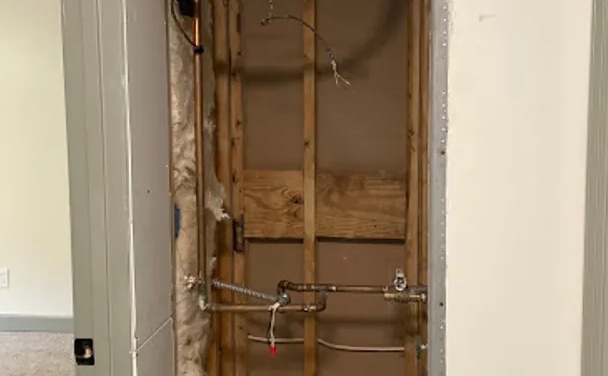
Aquarium Leak Water Removal Response in Johnston
In Johnston, aquarium leaks often show up as a dropping water level or a damp patch of carpet beside the stand. The stand itself may already be swelling at the base.
In Johnston, aquarium leak calls often start with wet carpet beside the stand or a sudden crack in the glass. Local aquarium restoration pros serve Johnston, Edgefield, Ridge Spring and Saluda, extracting the water and drying the floor.
Aquarium Leak Water Removal Services in Johnston
Emergency Aquarium Leak Response
Emergency response covers extraction, moving wet belongings and setting up drying equipment, day or night.
Aquarium Floor Drying
Drying under a heavy tank is hard because airflow is blocked. Once the tank is moved or emptied, the area underneath gets direct airflow.
Saltwater Tank Leak Cleanup
Salt residue can stain flooring and damage metal fasteners and outlets. Surfaces are cleaned after extraction to remove it.
Aquarium Tank Sealant Repair
A leaking seam usually means the silicone has aged or separated. Until the tank is resealed or replaced, it should stay empty.
Aquarium Stand Water Damage
Water often pools inside the stand cabinet, around the filter and sump. That area is extracted and dried along with the floor.
Warning Signs You Need Aquarium Leak Water Removal
Musty Odor Near Tank
A musty or swampy smell near the tank can mean water has been sitting under the stand or carpet.
Damp Carpet or Flooring
Carpet or flooring that feels damp beside the tank is soaking up water that may also be in the subfloor.
Wet Baseboards or Walls
Baseboards or lower walls behind the tank that look stained or soft have been wet for some time.
Salt Residue on Surfaces
White, crusty salt deposits on the floor or stand point to a slow saltwater leak.
How Aquarium Leak Water Removal Works in Johnston
Step 1: Secure the Leaking Aquarium
The tank is drained or its water level lowered, and livestock is moved to a safe container.
Step 2: Complete Water Cleanup
Water, gravel and debris are cleared from the floor, and tank water residue is cleaned off surfaces.
Step 3: Dry Out Affected Materials
Carpet, pad, subfloor and baseboards are dried, or removed if they cannot be saved.
Step 4: Confirm Dryness
Moisture readings across the area confirm the materials are back to their normal levels.
Common Causes of Aquarium Water Damage in Johnston
Faulty Plumbing Connections
Hoses and fittings for filters, chillers and sumps can loosen or split over time.
Improper Tank Installation
A tank set on an uneven floor or stand puts stress on one corner, which can crack the glass.
Stand Structural Failure
A stand that swells or sags puts uneven stress on the tank, which can crack glass or seams.
Temperature Stress on Glass
Sudden temperature changes, such as a failed heater, can stress glass and seals.
Aquarium Leak Water Removal for All Properties in Johnston
Residential Aquarium Leak Water Removal
Homeowners with reef or saltwater systems need salt residue cleaned from floors and fixtures after extraction, not just the water removed.
Commercial Aquarium Leak Water Removal
Businesses with multiple tanks may have shared plumbing that leaks in several spots. Each leak area is extracted, dried and documented.
Calling Local Pros for Aquarium Leak Water Removal in Johnston
You can drain the tank, move the fish and pick up surface water with a wet vac. Water under the stand and in the subfloor needs moisture meters and drying equipment to remove fully.
Factors in Aquarium Leak Water Removal Cost for Johnston
Saltwater cleanup, after-hours calls, stand removal and flooring replacement all add to the total for aquarium leak water removal in Johnston.
Tank Size and Contents
A larger tank releases more water and more debris, which means more extraction and cleanup.
Sealant Repair Complexity
Resealing or replacing the tank is a separate cost, usually handled by an aquarium specialist.
Aquarium Stand Damage
A stand that must be emptied, moved or replaced adds labor before the floor can dry.
Does Insurance Cover Aquarium Leak Water Removal?
Insurers often ask whether the tank failed suddenly or leaked slowly. Notes on where the leak started and how long it ran help answer that.
Why Aquarium Leak Water Removal Requires Pros in Johnston
Detailed Moisture Inspection
Moisture meters check the floor, subfloor and walls around the tank for hidden water.
Aquarium Leak Experience
The pros know where tank water hides: under stands, behind baseboards and inside cabinets.
Targeted Aquarium Floor Drying
Airflow is directed under and around the stand area, where water is hardest to dry.
24/7 Aquarium Leak Water Removal Response in Johnston
A burst tank floods a room fast. Call (803) 941-5983 for aquarium leak water removal in Johnston at any hour to get the water out of the floor.
Call Now (803) 941-5983Aquarium Leak Water Removal Throughout the Johnston Region
Each place listed below has its own page with local details.
- Aquarium Leak Water Removal in Edgefield
- Aquarium Leak Water Removal in Ridge Spring
- Aquarium Leak Water Removal in Saluda
- Aquarium Leak Water Removal in Batesburg-Leesville
- Aquarium Leak Water Removal in Aiken
- Aquarium Leak Water Removal in North Augusta
- Aquarium Leak Water Removal in Belvedere
- Aquarium Leak Water Removal in Gilbert
- Emergency Damage Restoration in 29832
- Storm Damage Restoration in 29832
- Water Damage Restoration in 29832
- Water Extraction Service in 29832
- Water Leak Detection in 29832
- Water Removal Service in 29832
Your Aquarium Leak Water Removal Questions Answered
Does saltwater from a tank leak need special cleanup?
Yes. Salt left behind keeps drawing moisture and can corrode metal, so floors and fixtures are rinsed and wiped after extraction.
Can an aquarium leak affect indoor air?
Wet carpet and subfloor can cause musty odors and microbial growth if they stay damp, which is why drying quickly matters.
What should I do while waiting for aquarium leak help?
Unplug tank equipment, lower the water level, move fish to a safe container and lay towels to slow the spread.
How long does aquarium floor drying take?
Often several days, depending on the flooring, how long the water sat and whether the subfloor got wet.
What causes tank sealant failure in aquariums?
Age, stress from an uneven stand, temperature swings and physical bumps can all cause silicone seams to separate.