Great Falls, SC · Chester County
AC Unit Water Removal in Great Falls, SCWet AC Unit Component Drying & Emergency AC Water Removal
AC Unit Water Removal in Great Falls runs from emergency AC water removal and AC leak water cleanup to air conditioner restoration services.
Answered 24/7
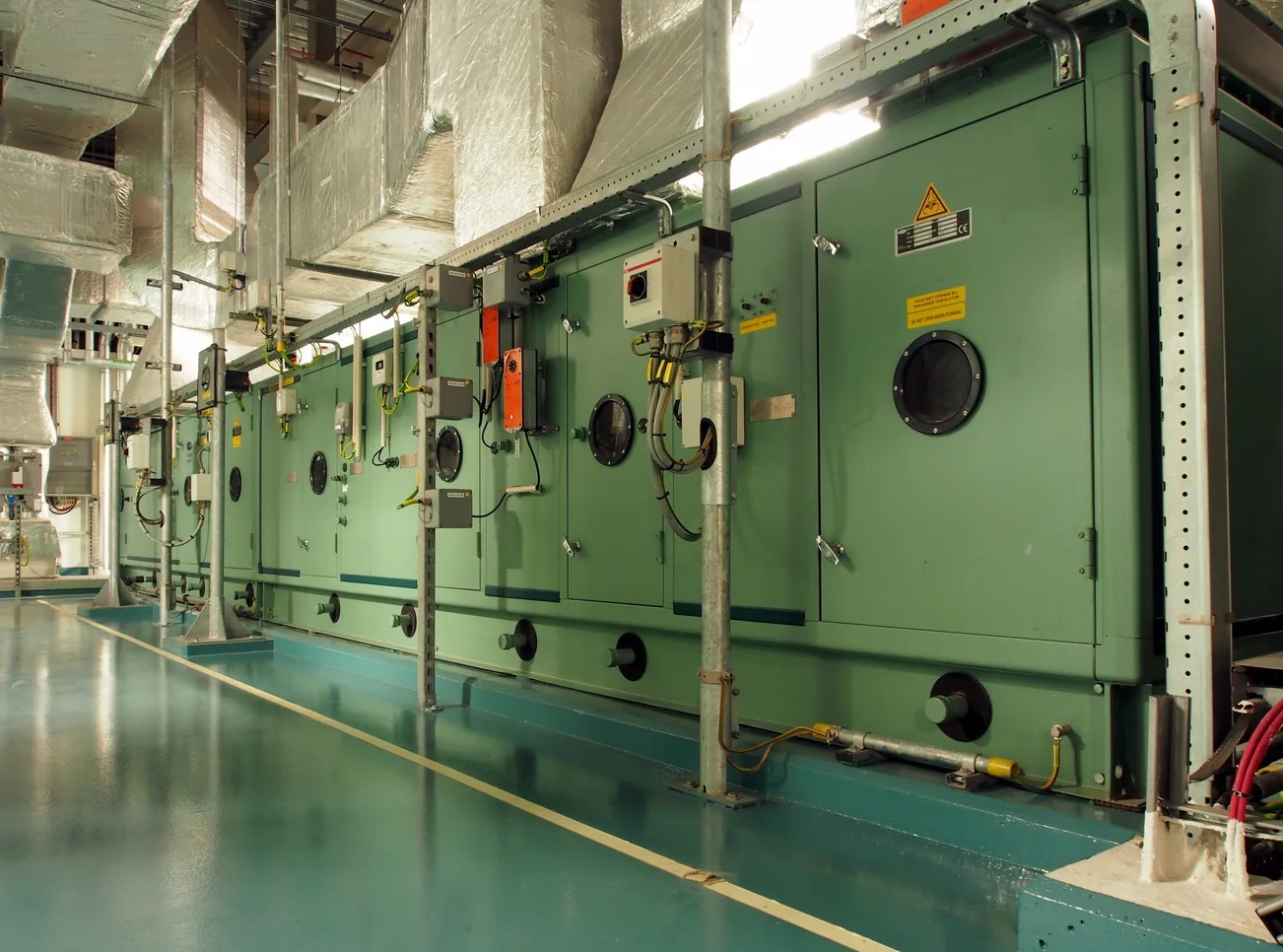
Professional AC Unit Water Removal in Great Falls, SC
Most AC leaks start small: a drip in the furnace closet or a faint stain under an attic unit. In Great Falls, the drain pan can fill and overflow for days before anyone notices the damage.
A leaking AC in Great Falls rarely fixes itself, and the water keeps soaking the same drywall and subfloor until the drain is cleared. Local water damage pros serve Great Falls and nearby Fort Lawn, Richburg and Lancaster, with help available around the clock for leaks of any size.
AC Unit Water Removal Services in Great Falls
Wet AC Unit Component Drying
Air movers and a dehumidifier are set around the unit, and moisture readings are taken until the metal and insulation test dry.
Emergency AC Water Removal
A sudden AC flood can soak a ceiling or floor in hours. Emergency removal gets the water out before it spreads into framing and insulation.
Air Conditioner Restoration Services
After drying, damaged drywall, trim or ceiling panels near the unit can be replaced and repainted.
AC Drain Pan Water Extraction
Both the primary pan and the secondary safety pan are emptied, and the pan is inspected for rust holes or cracks.
AC Leak Water Cleanup
Cleanup starts at the drain pan and works outward, removing pooled water and wet debris so drying can begin.
Warning Signs You Need AC Unit Water Removal
Reduced Cooling Efficiency
A clogged drain can trip a float switch or starve the coil of airflow, so the system runs longer and cools less.
Unusual AC System Noises
Gurgling or dripping sounds from the unit can mean water is backing up in the drain line.
Condensation Line Dripping
A condensate line that drips inside instead of outside has a crack, loose fitting or clog.
Water Stains on Walls
Brown rings or peeling paint on the ceiling under an attic unit, or on walls near the closet, point to a slow leak.
How AC Unit Water Removal Works in Great Falls
Step 1: AC Leak Water Cleanup
Pooled water is removed from around the air handler and from any rooms or ceilings the leak reached.
Step 2: AC Drain Pan Water Extraction
The primary and secondary pans are emptied and checked for cracks, rust holes or a stuck float switch.
Step 3: Component and Structure Drying
Wet panels, framing and subfloor are dried with targeted airflow and dehumidifiers until readings are normal.
Step 4: Documentation and Prevention
Photos and readings are recorded for insurance, and simple drain upkeep tips are shared to prevent a repeat.
What Leads to AC Unit Water Removal Needs in Great Falls
High Static Pressure in Ducts
Restricted ducts can pull water off the coil and blow it into the cabinet or ductwork.
Excess Outdoor Humidity
Very humid air makes the coil produce more water than a partly clogged drain can carry.
Failed Condensate Pump
Units that pump condensate uphill depend on a small pump. When it fails, the reservoir overflows.
Damaged AC Drain Pan
Metal pans rust through and plastic pans crack with age, letting water drip straight through.
Expert AC Unit Water Removal for Any Property in Great Falls
Residential AC Unit Water Removal
In apartments and condos, an AC leak can spread through the floor or ceiling to the unit below. Fast extraction limits the spread and the number of neighbors affected.
Commercial AC Unit Water Removal
In restaurants and retail spaces, water near equipment, wiring and walkways is removed first. That reduces slip and electrical hazards while the rest of the area dries.
AC Unit Water Removal vs. DIY: When to Call the Pros
You can turn off the AC, empty the pan and towel up a puddle yourself. Moisture already inside drywall or subflooring is harder, because it takes meters to find and drying equipment to remove it.
Understanding AC Unit Water Removal Pricing in Great Falls
After-hours calls, the number of rooms affected, the drying time and any drywall or ceiling repairs all change the total for AC unit water removal in Great Falls.
Preventative Treatment Scope
Antimicrobial treatment is an optional step, priced by the size of the area treated.
Affected Component Count
The more of the system that got wet, such as the blower, panels and insulation, the more drying time is needed.
Secondary Damage Presence
Wet ceilings, swollen baseboards or damp framing add removal and repair work to the job.
Does Insurance Cover AC Unit Water Removal?
Ask your adjuster whether clearing the condensate line is covered or treated as routine maintenance, since policies differ. The water damage to ceilings, walls and floors is often handled separately from the unit.
Reasons to Select Local Pros in Great Falls for AC Unit Water Removal
Focus on Component Preservation
Wet blower motors and wiring are dried gently to lower the risk of corrosion and electrical faults.
Detailed Moisture Documentation
Photos and moisture readings are recorded at each visit to support your insurance claim.
Clear Process Communication
Each step is explained before work starts, so you know what is being removed and why.
Round-the-Clock Emergency AC Unit Water Removal in Great Falls
Night, weekend or holiday, local water damage pros handle leaking AC units in Great Falls. Call (803) 941-5983 to get the water out, the condensate drain cleared and drying started.
Call Now (803) 941-5983Local AC Unit Water Removal Coverage for Great Falls, Fort Lawn, Richburg and Lancaster
Need AC unit water removal outside Great Falls? Service also covers Fort Lawn, Richburg and Lancaster, day or night, for any leaking AC unit.
- AC Unit Water Removal in Fort Lawn
- AC Unit Water Removal in Richburg
- AC Unit Water Removal in Lancaster
- AC Unit Water Removal in Heath Springs
- AC Unit Water Removal in Winnsboro
- AC Unit Water Removal in Ridgeway
- AC Unit Water Removal in Chester
- AC Unit Water Removal in Kershaw
- Emergency Damage Restoration in 29055
- Storm Damage Restoration in 29055
- Water Damage Restoration in 29055
- Water Extraction Service in 29055
- Water Leak Detection in 29055
- Water Removal Service in 29055
Frequently Asked Questions About AC Unit Water Removal in Great Falls
Is air conditioner restoration separate from water removal?
Yes. Water removal and drying come first. Restoration covers repairs afterward, such as replacing drywall or ceiling panels.
What does emergency AC water removal include?
Shutting off the unit, extracting standing water, clearing the drain and starting drying equipment, at any hour.
What should I do while waiting for help with an AC leak?
Turn off the AC, place towels or a bucket under the drip, move belongings out of the way and take photos.
What is involved in AC unit water removal?
Standing water is extracted, the condensate line is cleared, and wet materials are dried with air movers and dehumidifiers until moisture readings are normal.
Why document AC water damage?
Photos and moisture readings show what got wet and how it was dried, which helps your insurance claim.