Great Falls, SC · Chester County
Tile Floor Water Damage Restoration in Great Falls, SCWater Under Tile Flooring Removal & Flooded Tile Floor Restoration
Tile Floor Water Damage Restoration in Great Falls covers tile floor water extraction, tile floor water damage repair and tile floor mold prevention.
Answered 24/7
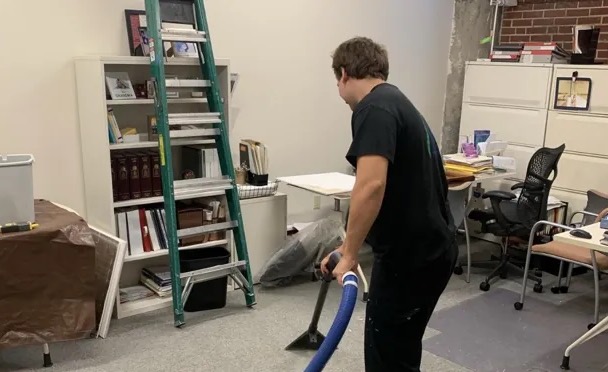
Get Help with Tile Floor Water Damage Restoration in Great Falls
Tile floors in Great Falls are durable, but water exposure can compromise grout and subflooring. Prompt tile floor water damage restoration prevents costly long-term repairs and maintains a home's integrity by addressing hidden moisture and potential mold growth.
Tile floor water damage restoration is a common need for properties in Great Falls and nearby areas like Fort Lawn, Richburg and Lancaster. Water leaks or spills can quickly affect tile surfaces and the underlying structure.
The Tile Floor Water Damage Restoration Process in Great Falls
Water Under Tile Flooring Removal
Pros use injection drying through grout lines or lift select tiles to reach and dry the subfloor, so the repair lasts.
Flooded Tile Floor Restoration
When a flood covers tile floors in Great Falls, local pros extract the water, dry, clean and disinfect the floor, then repair what was damaged.
Tile Floor Water Extraction
Standing water on tile flooring requires extraction to stop migration beneath the surface, a common issue for properties in Great Falls.
Tile Floor Mold Prevention
Pros sanitize the tile and grout and dry the area fully, so a leak today does not turn into a mold problem later.
Tile Floor Drying Services
Tile floor drying services focus on the entire affected area. Experts set up a containment zone and use desiccant dehumidifiers to draw moisture from the air and materials.
Common Signs Requiring Tile Floor Water Damage Restoration
Mold Spots on Grout Lines
Black, green or gray specks along grout lines are mold, which means moisture is staying in the floor.
Increased Humidity in the Room
A noticeable spike in room humidity, often near a tiled area, suggests evaporating moisture from a hidden leak. This warrants a professional tile floor water damage inspection.
Squeaking Sounds When Walking
Squeaks or creaks from a tile floor when walked upon can mean the underlayment is compromised by water. This is a subtle sign of water damage.
Baseboards Swelling Nearby
Swollen or discolored baseboards adjacent to a tile floor often trace water migration from underneath. This is a secondary indicator of a serious moisture problem.
How Tile Floor Water Damage Restoration Works in Great Falls
Step 1: First Call and Inspection
Local floor drying specialists inspect the water damaged tile floors to understand the scope and begin documentation for insurance purposes.
Step 2: Gross Water Extraction
The bulk of the water is extracted from the tile surface and any pooling areas, mitigating immediate damage and preparing for in-depth drying.
Step 3: Comprehensive Drying Cycle
A full drying system runs for the necessary duration to pull moisture from the porous grout, tiles, and underlying layers, preventing long-term damage.
Step 4: Evaluation for Necessary Repairs
Once dry, the installation is evaluated to determine if tile floor water damage repair is needed to restore the floor's stability and appearance.
Frequent Causes of Tile Floor Water Damage in Great Falls
HVAC Condensation Issues
A malfunctioning air conditioner or uninsulated condensation drain line can drip constant moisture onto a tile floor, creating a hidden, chronic dampness issue.
Plumbing Pipe Leaks
A leaking supply line, drain pipe, or fitting beneath a tile floor can release a steady flow of water, leading to widespread tile floor water damage.
Window or Door Seal Failure
Failed seals around windows or exterior doors let rain in to pool on interior tile floors.
Slab Foundation Moisture Wicking
In homes on slab foundations, ground moisture can wick up through the concrete and into the tile installation, causing persistent tile floor moisture issues.
Both Residential & Commercial Tile Floor Water Damage Restoration in Great Falls
Residential Tile Floor Water Damage Restoration
In homes, tile floor water damage often occurs in kitchens, bathrooms, laundry rooms, and entryways. The specialists focus on preserving the flooring's appearance and integrity while protecting the home's structure from subfloor rot and mold.
Commercial Tile Floor Water Damage Restoration
For businesses, water damaged tile floors in lobbies, restrooms, kitchens, and retail spaces present safety and image concerns. The specialists in Great Falls prioritize discreet restoration to minimize downtime.
Calling Floor Drying Specialists vs. DIY Tile Floor Water Damage Repair
Inspecting visible tiles for cracks or looseness after they dry is something a property owner can do. Document any changes with photos for your insurer.
Understanding Tile Floor Water Damage Restoration Costs in Great Falls
Expenses for wet tile floor cleanup are shaped by the type and quantity of drying equipment needed, the duration of the drying process, and whether any ancillary structural repairs are necessary.
Mold Prevention Needs
If tile floor moisture issues present a mold risk, additional antimicrobial treatments may be part of the restoration cost.
Water Source Category
Clean water from a supply line is simpler to address than contaminated flood water, affecting the tile floor cleanup process.
Drying Time Required
Prolonged tile floor drying services to reach safe moisture levels add to operational hours and the overall service cost.
Does Insurance Cover Tile Floor Water Damage Restoration?
Whether insurance covers tile floor water damage repair is a matter for your adjuster. The pros in Great Falls provide thorough documentation of the tile floor water extraction and drying process to support your claim.
The Value of Local Specialists for Tile Floor Water Damage Restoration
IICRC-Standard Methods
The specialists use industry-standard procedures for tile floor water extraction and drying to promote effective damage control.
Advanced Moisture Detection
Moisture meters find water under the tile so the floor is dried completely.
Complete Restoration Scope
Services encompass everything from flooded tile floor restoration to final cleanup for a restored living space.
Emergency Tile Floor Water Damage Restoration Response for Great Falls
Tile floor moisture issues can escalate quickly if not addressed. For 24/7 emergency tile floor water damage repair, homeowners in Great Falls should dial (803) 941-5983.
Call Now (803) 941-5983Local Tile Floor Water Damage Restoration Areas Around Great Falls
Tile floor moisture inspection and mold prevention are available in Great Falls and nearby locations like Fort Lawn, Richburg and Lancaster.
- Tile Floor Water Damage Restoration in Fort Lawn
- Tile Floor Water Damage Restoration in Richburg
- Tile Floor Water Damage Restoration in Lancaster
- Tile Floor Water Damage Restoration in Heath Springs
- Tile Floor Water Damage Restoration in Winnsboro
- Tile Floor Water Damage Restoration in Ridgeway
- Tile Floor Water Damage Restoration in Chester
- Tile Floor Water Damage Restoration in Kershaw
- Emergency Damage Restoration in 29055
- Storm Damage Restoration in 29055
- Water Damage Restoration in 29055
- Water Extraction Service in 29055
- Water Leak Detection in 29055
- Water Removal Service in 29055
Tile Floor Water Damage Restoration Common Questions Answered
What causes tile floor moisture issues?
Common causes include appliance leaks like from dishwashers, plumbing failures such as burst pipes, overflow incidents from sinks or tubs, or groundwater intrusion through cracks in the foundation.
How does tile floor water extraction work?
Powerful truck-mounted or portable extractors remove standing water, while specialized tools pull moisture from grout lines and from under the tiles.
Why is wet tile floor cleanup time-sensitive?
Early action limits further water migration, prevents subfloor swelling and tile delamination, and significantly reduces the opportunity for mold growth to begin in the damp materials.
What tools are used for tile floor water damage inspection?
Inspections utilize tools like moisture meters, hygrometers, thermal imaging cameras, and sometimes borescopes to accurately assess both visible and concealed water damage within the flooring assembly.
What does tile floor water damage repair involve?
Repair can range from re-sealing grout and re-adhering tiles to replacing sections of damaged subfloor, depending on the inspection findings.