Columbia, SC · Richland County
Wet Insulation Removal in Columbia, SCAttic Drying & Emergency Attic Water Extraction
Emergency Wet Insulation Removal for Columbia includes roof leak water removal, attic drying, and water damaged insulation replacement.
Answered 24/7
Reliable Wet Insulation Removal Serving Columbia, SC
Attic mold prevention is essential after water damage in Columbia to stop spore growth. The experts implement drying protocols and antimicrobial treatments to create a hostile environment for mold.
Timing is critical for wet insulation removal in Columbia to prevent mold and decay. The pros serve this community and nearby areas like Olympia, West Columbia and Forest Acres with 24/7 availability.
Wet Insulation Removal Services Tailored for Columbia
Attic Drying
Complete attic drying is technical, going beyond airing it out. The experts use dehumidifiers to pull moisture from air and materials, adjusting equipment based on daily moisture readings.
Emergency Attic Water Extraction
When water actively enters an attic, emergency extraction is critical. The pros handle significant volumes, even in confined spaces, to reduce collapse and mold risks.
Ceiling Water Damage Repair
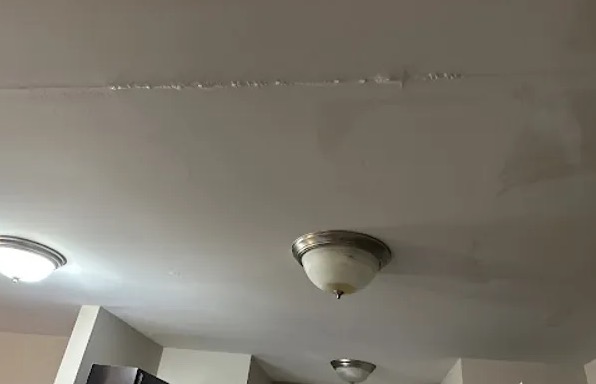
Ceiling water damage from a wet attic requires careful repair. The pros in Columbia assess sagging, staining, or soft spots, then remove and replace compromised drywall or plaster.
Attic Water Damage Cleanup
Effective cleanup after attic water damage stops problems early. The experts remove debris and contaminated materials, then apply antimicrobial treatments to the area.
Wet Attic Insulation Removal
Saturated attic insulation loses its thermal resistance and can promote mold. The pros in Columbia extract the damaged material to address all damp areas.
Warning Signs You Need Wet Insulation Removal in Columbia
Visible Mold in the Attic
Spotting any fuzzy black or green growth on wood or insulation means water has been present and attic mold prevention services are critical.
Dripping Sounds or Active Leaks
Hearing dripping sounds from ceilings or walls, especially after rain, signals an active leak requiring emergency attic water extraction.
Sagging or Damp Drywall
Soft, sagging, or damp drywall on ceilings is a clear sign of water intrusion and compromised insulation that needs professional water extraction services.
Rotting Wood or Decking
Soft, spongy, or discolored roof decking or attic framing wood is a serious sign of prolonged water damage and potential structural issues.
How Wet Insulation Removal Works in Columbia
Step 1: Containment and Assessment
The pros first set up containment to isolate the work area, then assess the scope of attic water damage cleanup needed, documenting conditions for insurance.
Step 2: Source Repair and Water Removal
If the leak source is accessible, temporary repairs are made. Then, all standing water is extracted, a key part of emergency attic water extraction services.
Step 3: Removal of Damaged Materials
Soggy, clumped insulation and any unsalvageable ceiling drywall are removed. This wet attic insulation removal process eliminates material that can harbor mold.
Step 4: Structural Drying and Verification
The attic's wooden structure is dried using professional-grade equipment. Moisture readings are taken to verify the space is dry before any insulation replacement occurs.
Frequent Sources of Wet Insulation Damage in Columbia
HVAC Condensate Line Issues
A clogged or disconnected air conditioner condensate drain line can overflow, dripping water onto attic insulation and creating a moisture problem.
Natural Wear and Tear
Over time, roofing materials and sealants degrade, creating small openings for water to enter and slowly damage attic insulation.
Ice Dam Formation
In cold climates, heat loss melts snow on the roof, which refreezes at the eaves and forces water under shingles into the attic.
Appliance Malfunctions
A leaking water heater or washer supply line located in an attic can release large volumes of water, causing flooded attic cleanup.
Both Residential & Commercial Wet Insulation Removal in Columbia, SC
Residential Wet Insulation Removal
Homeowners need professional service to attic water damage to prevent costly repairs. The pros specialize in attic drying, removing soaked insulation to restore a safe, dry environment.
Commercial Wet Insulation Removal
Commercial properties require scalable solutions for water damaged insulation in large attic spaces. Emergency water removal and drying services from local pros help businesses mitigate damage.
Professional Wet Insulation Removal or DIY in Columbia?
Using a wet-dry vacuum on attic water is possible if access is safe. Hidden moisture requires thermal imaging and professional dehumidifiers. For thorough cleanup, rely on the pros.
What Affects Wet Insulation Removal Pricing in Columbia
Several elements determine wet insulation removal cost in Columbia. These include the water volume extracted, the equipment required, and whether ceiling repairs are needed. Attic access complexity is another consideration.
Attic Square Footage
Larger attics require more labor time for removal and replacement, and they need more drying equipment to properly manage moisture levels throughout the space.
Emergency Service Timing
Requests for immediate, after-hours attic water extraction often involve a premium for rapid mobilization of equipment and the pros outside of standard business hours.
Drying Time Required
A longer drying period means more days of running commercial dehumidifiers and air movers, which increases the overall cost for equipment rental and energy use.
Does Insurance Cover Wet Insulation Removal?
Insurance for attic mold prevention is complex, as policies often limit mold claims. If mold comes from a covered loss, some remediation may apply. The pros document the moisture source.
Advantages of Hiring Restoration Pros in Columbia for Wet Insulation Removal
Thorough Attic Drying Process
Industrial air movers and dehumidifiers are strategically placed. This creates optimal airflow to dry the attic structure and remaining materials completely.
24/7 Emergency Response
Water damage does not wait for business hours. Help is available around the clock to begin mitigating your attic leak immediately.
IICRC-Standard Drying Methods
The pros employ industry-approved drying protocols. This ensures moisture is removed from structural materials effectively, helping to prevent secondary damage like mold.
Urgent Wet Insulation Removal Response in Columbia Day or Night
Wet insulation degrades quickly, raising mold risk. For a flooded attic, do not wait. Call for 24/7 emergency water removal by dialing (803) 941-5983.
Call Now (803) 941-5983Local Wet Insulation Removal Coverage Around Columbia, SC
Homeowners in Columbia dealing with a flooded attic need comprehensive water extraction services. Removing saturated insulation is a vital first step. The pros provide this essential service to Olympia, West Columbia and Forest Acres as well.
Wet Insulation Removal FAQs for Columbia Homeowners
What happens during emergency attic water extraction?
The professional service focuses on stopping the water source, extracting standing water, and removing severely saturated materials. This emergency service aims to stabilize the environment to prevent worsening damage.
What tools are used for moisture inspection?
The pros use penetrating and non-penetrating moisture meters to measure content in materials. Thermal imaging cameras also help visualize temperature differences caused by hidden dampness in walls and ceilings.
What causes ceiling water damage from an attic leak?
Water from a roof leak or condensation overflow soaks the insulation first. Once the insulation is saturated, water pools on the ceiling drywall, eventually causing stains, sagging, or collapse.
Why is attic water damage cleanup important?
Comprehensive cleanup prevents mold from colonizing wood framing and sheathing. It also stops water from migrating to ceiling drywall below, which avoids more extensive and visible interior repairs.
How long does the attic drying process take?
Drying time varies with the extent of water intrusion, humidity levels, and attic ventilation. Typically, it takes between two to five days of continuous equipment operation to achieve dry standards.