St. Andrews, SC · Richland County
Water Damage Mitigation in St. Andrews, SCStructural Drying Services & Moisture Detection Inspection
In St. Andrews, water damage mitigation includes structural drying services, water damaged drywall repair and floor water damage cleanup.
Answered 24/7
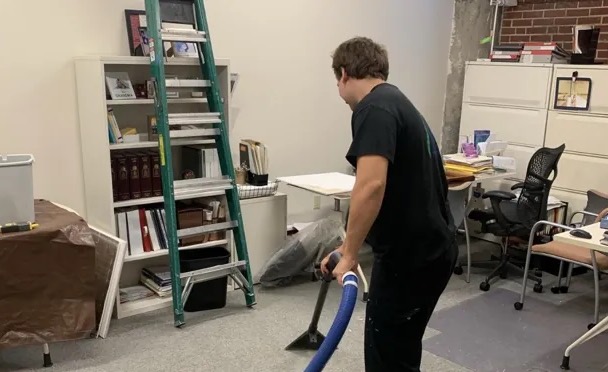
Local Water Damage Mitigation for St. Andrews Residents
Appliance malfunctions, pipe bursts and roof leaks can cause water damage, soaking drywall, carpets and floors. Porous materials absorb moisture fast, so emergency water extraction is needed to stop the spread before mold develops.
In St. Andrews and nearby Seven Oaks, West Columbia and Oak Grove, local restoration pros respond to leaks in homes and dry the structure fully to prevent mold and rot.
Water Damage Mitigation Services in St. Andrews
Structural Drying Services
Complete structural drying is non-negotiable for proper restoration. The pros use moisture meters to monitor walls and floors.
Moisture Detection Inspection
The pros take readings across the wet area and the rooms around it to see where water moved, then place drying equipment where it will do the most good.
Floor Water Damage Cleanup
Water can ruin hardwood, laminate, and tile flooring quickly. The pros assess the flooring type and water source.
Emergency Water Extraction
Professional water extraction addresses visible water. The pros work methodically to pull water from carpets, padding, and hard surfaces.
Water Damaged Drywall Repair
Water-damaged drywall often requires cutting and removal to allow for proper drying and inspection. The pros identify the extent of saturation and remove compromised sections.
Symptoms Requiring Water Damage Mitigation in St. Andrews
High Indoor Humidity Levels
A consistently clammy feeling or condensation on windows suggests elevated moisture levels in the air.
Water Dripping From Ceiling
Active dripping, even off and on, means a leak that is wetting the structure every time.
Musty Odors in Your Home
Persistent musty smells often indicate hidden moisture and potential mold growth after a water leak.
Damp or Wet Carpeting
Carpet that feels damp or squishes underfoot has water in the pad and needs extraction.
How Water Damage Mitigation Works in St. Andrews
Step 1: Source Stop and Safety Check
The first action is to confirm the water source is stopped and ensure the area is electrically safe.
Step 2: Complete Flooded Home Drying
For a flooded home drying project, industrial-grade air movers and dehumidifiers are set up in a calculated pattern.
Step 3: Focused Wet Carpet Drying
Special attention is given to wet carpet drying, using extractors, matting, and lifters to dry carpet, pad, and subfloor simultaneously to prevent delamination and odor.
Step 4: Continuous Moisture Monitoring
The pros monitor moisture levels in materials daily, adjusting equipment as needed. They help ensure all structural components meet industry-standard dryness criteria before concluding.
Frequent Sources of Home Water Damage
Clogged or Overflowing Gutters
Gutters blocked by debris force water to overflow and pool near the foundation, leading to seepage.
Natural Flooding From Heavy Rain
Heavy rain or a nearby creek or river overflowing can flood a home.
Foundation Cracks and Seepage
Cracks in a home's foundation or basement walls permit groundwater intrusion, especially after heavy rain.
Burst or Leaking Pipes
Plumbing failures from corrosion, freezing, or high pressure can release large volumes of water into a home.
Both Residential & Commercial Water Damage Mitigation in St. Andrews
Residential Water Damage Mitigation
In homes, water is extracted from basements, living rooms and crawl spaces. The pros check for hidden moisture so mold does not start in bedrooms or common areas.
Commercial Water Damage Mitigation
In retail stores, pros clean up wet floors and dry merchandise so customers can keep shopping without delays.
Water Damage Mitigation vs. DIY: When to Call Restoration Pros
Safely unplug electronics and move them away from standing water to prevent shock hazards. Remove easily accessible stored items from a flooded closet or cabinet to allow air flow. Do not attempt to peel back wet carpet or remove wet drywall yourself.
Understanding Water Damage Mitigation Pricing in St. Andrews
In St. Andrews, the price depends on how much extraction and drying are needed and whether belongings need drying too.
Required Drying Time
Longer drying means more equipment time and more monitoring visits, which adds cost.
Extent of Damage
The square footage and number of rooms affected by water directly influence the mitigation cost.
Access Complexity
Hard-to-reach areas like crawlspaces or tight corners can increase the time and effort required for water extraction and drying.
Does Insurance Cover Water Damage Mitigation?
Coverage depends on your policy. Insurers generally cover mitigation needed to prevent more damage after a covered event. Pros in St. Andrews record the conditions for your claim.
The Value of Local Pros for Water Damage Mitigation
Organized Cleanup Process
Each step, from extraction to the final dryness check, is done in order and recorded.
24/7 Emergency Response
Water damage requires immediate attention to prevent worsening. The pros offer around-the-clock availability for emergency water extraction calls.
Content Drying Focus
The pros dry furniture, documents and belongings as well as the building itself.
Emergency Water Damage Mitigation Available Around the Clock
For emergency water extraction in St. Andrews after a burst pipe or flood, call (803) 941-5983 day or night. Fast water removal is critical to limit damage and start the drying process.
Call Now (803) 941-5983Water Damage Mitigation Near St. Andrews: Areas Served
Water damage mitigation is a critical service for homeowners in St. Andrews and nearby areas like Seven Oaks, West Columbia and Oak Grove.
- Water Damage Mitigation in Seven Oaks
- Water Damage Mitigation in West Columbia
- Water Damage Mitigation in Oak Grove
- Water Damage Mitigation in Irmo
- Water Damage Mitigation in Cayce
- Water Damage Mitigation in Olympia
- Water Damage Mitigation in Forest Acres
- Water Damage Mitigation in Arthurtown
- Emergency Damage Restoration in 29203
- Storm Damage Restoration in 29203
- Water Damage Restoration in 29203
- Water Extraction Service in 29203
- Water Leak Detection in 29203
- Water Removal Service in 29203
- Emergency Damage Restoration in 29210
- Storm Damage Restoration in 29210
Your Water Damage Mitigation Questions Addressed
Can wet carpet be saved after water damage?
Wet carpet drying is often possible if extraction starts quickly and professional drying equipment is used.
How is mold prevented after water damage?
Fast extraction, dehumidifiers, full structural drying and sometimes EPA-registered antimicrobial agents on wet surfaces.
What happens during a water damage inspection?
A water damage inspection assesses the source, category of water, extent of affected areas, and materials involved to create a scope for the necessary mitigation and drying plan.
Why is moisture detection important for mitigation?
It uses meters to find water hidden inside walls or under floors, so drying does not stop too early.
Is water damage mitigation different from restoration?
Mitigation is the emergency stop-dry-clean phase immediately after the incident. After the structure is dry and stable, restoration is the rebuilding and repair phase that follows.