West Columbia, SC · Lexington County
Toilet Overflow Water Removal in West Columbia, SCBathroom Floor Drying Services & Sewage Damage Sanitization
Toilet Overflow Water Removal in West Columbia includes black water contamination cleanup, moisture inspection and sewage damage sanitization.
Answered 24/7
Local Toilet Overflow Water Removal Services for West Columbia
In West Columbia, the aftermath of a toilet backup demands a systematic approach to water removal and contamination control. Delaying emergency water removal can compound repair costs and health hazards.
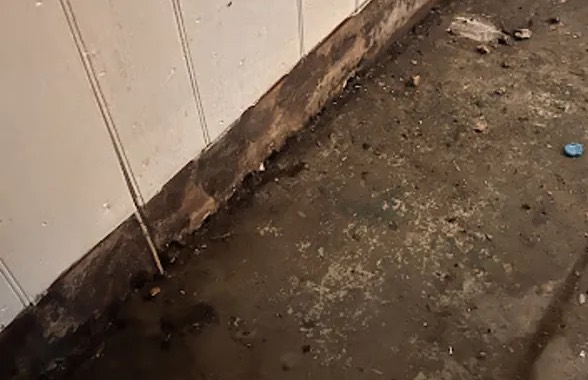
Affected drywall and baseboard repair is often needed after sewage damage cleanup in West Columbia. Local water damage pros handle this final restoration step, completing the process that begins with emergency toilet backup cleanup for properties here and in Cayce, Olympia and Arthurtown.
Black Water Removal Services in West Columbia
Bathroom Floor Drying Services
Local water removal pros dry tile grout, underlayment and wood subfloor with industrial dehumidifiers and air movers, which stops rot and mold in West Columbia bathrooms.
Sewage Damage Sanitization
Thorough sanitization follows black water removal to safeguard health. The pros systematically clean and disinfect the affected area, focusing on crevices and joints where contaminants can linger.
Toilet Overflow Water Extraction
Efficient extraction halts a toilet overflow's advance. The pros utilize powerful vacuum systems to remove water, ensuring even hidden moisture behind toilets is addressed. Fast action here in West Columbia sets the stage for effective drying.
Drywall Removal After Toilet Overflow
Drywall and baseboards soaked by toilet water are cut out so the studs can be cleaned, disinfected and dried before repairs.
Emergency Toilet Backup Cleanup
A toilet backup needs cleanup to limit health risks. The pros help 24/7 with water extraction and containment in your West Columbia home.
Signs Your Bathroom Needs Emergency Water Removal
Stained or Sagging Baseboards
Baseboards that are stained, sagging, or separating from the wall require moisture inspection and likely repair.
Bubbling or Peeling Wall Paint
Paint that bubbles or peels near the toilet indicates hidden moisture damage within the wall cavity.
Discolored Water Around Toilet
Brown or discolored water pooling around the toilet base signifies a serious black water contamination issue.
Visible Mold Growth on Walls
Mold spots on drywall or baseboards mean moisture from the toilet backup was not properly dried.
How Toilet Overflow Water Removal Works in West Columbia
Step 1: Initial Moisture Inspection and Mapping
Detailed moisture inspection and mapping with thermal imaging and meters reveals the full extent of the toilet overflow water damage.
Step 2: Focused Bathroom Floor Water Extraction
Targeted extraction equipment pulls water from bathroom floors and subfloors, a specialized part of toilet overflow water removal.
Step 3: Antimicrobial Treatment for Sanitization
Floors, walls and fixtures the sewage touched get a professional antimicrobial treatment before drying.
Step 4: Monitoring for Complete Drying Verification
Drying equipment is monitored and adjusted until moisture readings confirm completion of all bathroom floor drying services.
Common Causes of Toilet Overflows in West Columbia
Plumbing Misconnections and Crossflows
Improper plumbing connections can allow wastewater from other fixtures to cross-flow into the toilet drain line.
Aging or Corroded Sewer Pipes
Old, corroded, or collapsed sewer pipes restrict flow and are a frequent cause of recurring toilet backup issues.
Improperly Installed Plumbing Vent
An improperly installed or blocked plumbing vent prevents proper drainage, increasing pressure and risk of toilet overflows.
High Water Pressure in Supply Line
Excessively high water pressure in the supply line can cause the toilet tank to overfill and spill over.
Black Water Cleanup for All Property Types in West Columbia
Residential Toilet Overflow Water Removal
Sewage cleanup is critical after a residential toilet overflow. Toilet Overflow Water Removal from the pros in West Columbia includes water extraction, wet carpet removal, and industry-standard sanitization to protect your family.
Commercial Toilet Overflow Water Removal
Commercial toilet backups are a health hazard. The pros extract the water, check floors and walls for moisture, sanitize and remove wet drywall or carpet so the space is safe for staff and customers.
Toilet Backup Cleanup: Professional Help vs. Home Methods
A property owner can document the damage by taking clear photographs for their insurance company before any cleanup begins. They should not start demolition or removal of materials like drywall, as this can disturb contaminants.
Toilet Overflow Water Removal Cost in West Columbia, SC
The duration of the moisture inspection and mapping phase, along with any necessary structural repairs, contributes to the overall project cost.
Sanitization Scope
The extent of sewage damage sanitization needed to address pathogens affects the volume of antimicrobial agents and labor.
Emergency Response
Night and weekend calls for a toilet backup can carry a higher rate than scheduled work.
Affected Surface Area
The total square footage of flooded bathroom floors and walls determines the scale of drying equipment and labor required.
Does Insurance Cover Toilet Overflow Water Removal?
Sewage damage cleanup from a toilet backup is often covered if the overflow is sudden, like a clog. Gradual seepage or repeated backups might not be covered.
Why Choose Local Pros for Toilet Overflow Water Removal in West Columbia
Documentation for Insurance
Photos and moisture logs are prepared to support your insurance claim from the start.
IICRC-Standard Sanitization
Pros follow industry standards for black water and use antimicrobial treatments that kill pathogens.
Containment Protocols
Work areas are sealed to prevent cross-contamination during sewage damage sanitization, protecting unaffected parts of your home.
Emergency Sewage Damage Cleanup Available 24/7
Water from a toilet backup can carry germs. Call the pros at (803) 941-5983 any time for cleanup and disinfection in West Columbia.
Call Now (803) 941-5983Areas Served for Toilet Overflow Water Removal Near West Columbia
The pros provide bathroom water extraction and drying in West Columbia and communities such as Cayce, Olympia and Arthurtown.
- Toilet Overflow Water Removal in Cayce
- Toilet Overflow Water Removal in Olympia
- Toilet Overflow Water Removal in Arthurtown
- Toilet Overflow Water Removal in St. Andrews
- Toilet Overflow Water Removal in Oak Grove
- Toilet Overflow Water Removal in Lexington
- Toilet Overflow Water Removal in Red Bank
- Toilet Overflow Water Removal in Seven Oaks
- Emergency Damage Restoration in 29169
- Storm Damage Restoration in 29169
- Water Damage Restoration in 29169
- Water Extraction Service in 29169
- Water Leak Detection in 29169
- Water Removal Service in 29169
- Emergency Damage Restoration in 29170
- Storm Damage Restoration in 29170
Frequently Asked Questions About Sewage Cleanup
Is sanitization after a toilet overflow always necessary?
Yes, because Category 3 water contains pathogens, professional sanitization of all affected surfaces is a required step for health and safety.
How long does bathroom floor drying usually take?
Drying time varies with material types and humidity, but industrial dehumidifiers often achieve drying goals within several days of continuous operation.
What is black water contamination from a toilet overflow?
Black water is Category 3 water, which contains unsanitary agents and pathogens. This classification requires specific safety and sanitization protocols during the cleanup process to address health risks.
Why is containment used during sewage damage cleanup?
Containment barriers prevent cross-contamination by physically isolating the affected bathroom area, protecting other parts of the home from airborne pathogens and dust during the cleanup work.
How is odor controlled after sewage damage cleanup?
Persistent odors are managed through thorough sanitization, removal of contaminated porous materials like carpet padding, and the use of air scrubbers equipped with HEPA and carbon filters.