St. Matthews, SC · Calhoun County
Tile Floor Water Extraction in St. Matthews, SCTile Floor Water Removal & Tile Floor Flood Cleanup
Tile Floor Water Extraction in St. Matthews addresses tile floor water damage, including water under tile floor removal and tile floor flood cleanup.
Answered 24/7
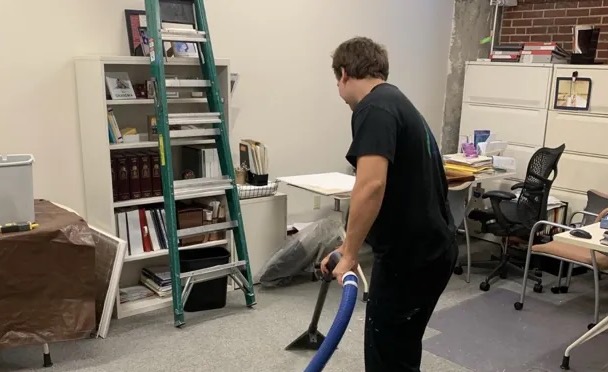
Expert Tile Floor Water Extraction for St. Matthews Residents
In St. Matthews, water from a plumbing leak or appliance overflow can seep between tiles into the underlayment and stay there.
Tile floor water extraction is common in St. Matthews and nearby areas like Gadsden, Orangeburg and Elloree after plumbing incidents or flooding. Water seeps through grout and under tiles, threatening the subfloor. Local water damage pros respond with equipment for hard surface water removal. Prompt action minimizes tile floor water damage repair scope.
Comprehensive Tile Floor Water Extraction in St. Matthews, SC
Tile Floor Water Removal
Tile floor water removal addresses standing water from spills or leaks. Extractors pull water from the surface and grout lines.
Tile Floor Flood Cleanup
After a flood, the pros remove the water and clean the tile surface and grout of residue.
Wet Tile Floor Drying
Pros place drying equipment where it reaches the wet areas and track moisture in the grout and underlayment until readings are normal.
Tile Floor Moisture Removal
Tile floor moisture removal targets dampness absorbed by materials. Moisture lingers within the tile body and cementitious layers.
Tile Floor Leak Water Cleanup
Tile floor leak water cleanup addresses water from an ongoing source like a faulty pipe.
Indicators of Tile Floor Water Damage in St. Matthews
Mold or Mildew Growth on Grout
Black or green spots on grout come from moisture that has stayed too long.
Recent Plumbing Leak or Appliance Overflow
Any active leak near tile floors should be stopped and the water removed before it reaches the subfloor.
Loose or Lifting Tiles
Tiles that rock or have lifted edges usually have water underneath weakening the adhesive.
Increased Humidity in the Area
Muggy air near the floor can come from trapped water slowly evaporating.
How Tile Floor Water Extraction Works in St. Matthews
Step 1: Flood Water Removal
Powerful extractors pull the flood water off the tile and out of the grout first.
Step 2: Assess Water Under Tile Floor
The pros conduct a thorough assessment to determine how far water has traveled beneath the tile, guiding the drying strategy.
Step 3: Intensive Tile and Grout Drying
High-velocity air flow is directed across the floor to evaporate moisture from the porous grout lines and any underlayment.
Step 4: Sanitization and Damage Documentation
Once dry, the area may be sanitized. All findings are documented for your insurer, completing the tile floor water damage restoration.
Why Tile Floors Get Wet in St. Matthews
Overflowing Sink or Bathtub
A bathroom or kitchen overflow can spread water across tile and under it.
Severe Weather or Roof Leaks
Storm rain coming in through windows, doors or ceilings can soak tile floors.
Slab Foundation Moisture Intrusion
Hydrostatic pressure from wet soil can push moisture up through concrete and into the tile.
Sewage Backup or Drain Overflow
A clogged main sewer line can push contaminated water up through floor drains.
Tile Floor Water Extraction for All Properties in St. Matthews
Residential Tile Floor Water Extraction
Wet tile floor drying in residences prevents damage to adjoining rooms and cabinetry. Pros employ industrial air movers and dehumidifiers to draw moisture from grout and substrate, protecting your home's structure and air quality.
Commercial Tile Floor Water Extraction
Commercial wet tile floor drying restores high-traffic retail or office floors. Experts implement drying protocols to meet safety standards and prevent slip hazards, getting your business back to normal operations.
Tile Floor Water Extraction vs. DIY: When to Call Water Damage Pros
Turn off the water to the leaking fixture if you can reach the valve. A wet-dry vacuum can pick up shallow water on tile. Loose tiles or a soft floor mean water is underneath.
What Influences Tile Floor Water Extraction Cost in St. Matthews
Access challenges can increase the time and cost of the water removal project. Furniture or cabinetry on the wet tile floor often must be moved or protected before extraction begins.
Contaminated Water
Extracting grey or black water from a tile floor involves stricter safety protocols and disposal, increasing the project complexity.
Drying Time Required
Moisture that stays under tile may need air movers and dehumidifiers to run longer, which adds cost.
Extent of Flooding
The volume of water and number of rooms with wet tile floors dictates the equipment and time needed for complete drying.
Does Insurance Cover Tile Floor Water Extraction?
Insurance for wet tile floor drying hinges on the policy language and the incident's cause. Water from a ruptured supply line inside a wall is often covered. The pros follow industry-standard methods and document the process.
Reasons to Hire Local Pros for Tile Floor Water Extraction in St. Matthews
Documentation for Claims
Detailed logs, photos, and moisture readings are provided to support your insurance claim for tile floor water damage repair.
Moisture Detection Technology
Meters find hidden moisture under the tile, so drying covers it and not just the surface.
Focus on Salvage
The priority is saving your existing tile through professional drying during tile floor water damage cleanup whenever possible.
24/7 Tile Floor Water Extraction for Emergencies in St. Matthews
A tile floor flood requires prompt action. Call (803) 941-5983 to schedule rapid wet tile floor drying. The sooner extraction begins, the better the chance of saving your tile installation.
Call Now (803) 941-5983Tile Floor Water Extraction in St. Matthews and Surrounding Areas
Dealing with a wet tile floor in St. Matthews requires specific extraction techniques. The pros in St. Matthews handle tile floor water removal and drying, also providing service for areas like Gadsden, Orangeburg and Elloree.
- Tile Floor Water Extraction in Gadsden
- Tile Floor Water Extraction in Orangeburg
- Tile Floor Water Extraction in Elloree
- Tile Floor Water Extraction in Eastover
- Tile Floor Water Extraction in Hopkins
- Tile Floor Water Extraction in North
- Tile Floor Water Extraction in Swansea
- Tile Floor Water Extraction in Gaston
- Emergency Damage Restoration in 29135
- Storm Damage Restoration in 29135
- Water Damage Restoration in 29135
- Water Extraction Service in 29135
- Water Leak Detection in 29135
- Water Removal Service in 29135
Tile Floor Water Extraction Common Questions Answered
What happens after the tile floor water damage restoration?
After tile floor water damage restoration, the area is verified as dry. You receive documentation of the process, and the floor is ready for any necessary repairs or replacement.
Can water under tile floor cause mold?
Yes. Moisture trapped under tile can grow mold within 24 to 48 hours, which is why removal matters.
What is tile floor water extraction?
Tile floor water extraction is the professional removal of standing water from tile surfaces and the systematic drying of moisture trapped underneath the tiles and in the subfloor.
How is tile floor moisture removal verified?
Meters check the tile, grout and subfloor until the readings match normal dry levels for those materials.
Do tiles need to be removed for water extraction?
Tiles may need to be removed if moisture meters detect significant water under tile floor that cannot be dried effectively through the tile surface alone.