Buffalo, SC · Union County
Tile Floor Water Damage Restoration in Buffalo, SCTile Floor Water Damage Repair & Tile Floor Moisture Inspection
Tile Floor Water Damage Restoration in Buffalo covers tile floor water extraction, tile floor water damage repair and tile floor mold prevention.
Answered 24/7
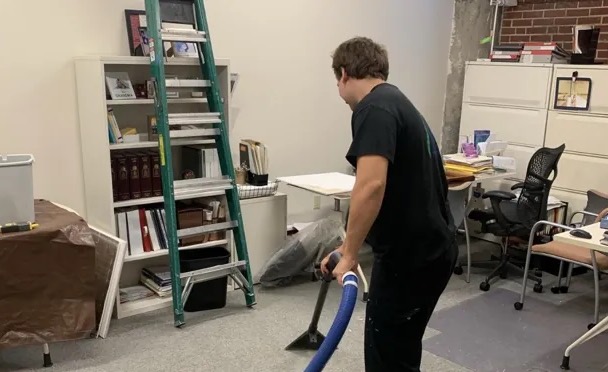
Professional Tile Floor Water Damage Restoration in Buffalo, SC
In Buffalo, water can seep under tile and damage the adhesive and subfloor, which can lead to loose tiles and mold if not dried.
Across Buffalo and nearby places like Union, Monarch Mill and Jonesville, water damaged tile floors need expert care to restore their appearance and function. The tile floor water damage cost can escalate if moisture isn't fully removed.
Key Tile Floor Water Damage Restoration Services Offered in Buffalo
Tile Floor Water Damage Repair
Water can loosen tile adhesive and make tiles lift. Pros check each tile and re-set or replace the ones that have come loose.
Tile Floor Moisture Inspection
Before any work begins, a thorough inspection defines the project scope. Pros document moisture levels, photograph the damage, and create a report.
Tile Floor Water Extraction
Bulk water removal from tile surfaces and grout lines prevents seepage into subflooring. Powerful extraction equipment is used for this initial step.
Flooded Tile Floor Restoration
When a flood covers tile floors in Buffalo, local pros extract the water, dry, clean and disinfect the floor, then repair what was damaged.
Wet Tile Floor Cleanup
Cleanup involves removing debris and sanitizing tile and grout. This eliminates contaminants from the water for any Buffalo residence.
Signs of Water Damage Needing Tile Floor Water Damage Restoration
Squeaking Sounds When Walking
Squeaks or creaks from a tile floor when walked upon can mean the underlayment is compromised by water. This is a subtle sign of water damage.
Cold or Damp Feeling Tiles
Tiles that feel cold or damp in one area usually have moisture trapped underneath.
Increased Humidity in the Room
A noticeable spike in room humidity, often near a tiled area, suggests evaporating moisture from a hidden leak. This warrants a professional tile floor water damage inspection.
A Musty Odor Persists
A persistent earthy or musty smell from your tile floor suggests hidden moisture and potential mold growth underneath. This odor calls for a tile floor moisture inspection.
How Tile Floor Water Damage Restoration Works in Buffalo
Step 1: Initial Damage Assessment
The Tile Floor Water Damage Restoration process starts with a detailed assessment to determine the source, extent, and category of water affecting the tile floor and subfloor.
Step 2: Water Removal and Cleanup
All standing water is extracted, followed by wet tile floor cleanup of debris and contaminants.
Step 3: Structural Drying Phase
Specialized drying equipment creates airflow and controls humidity to methodically remove moisture from the tile installation system and prevent warping.
Step 4: Verification and Final Repair
Final moisture readings verify dryness. Any compromised tiles are then addressed with matching replacements, completing the flooded tile floor restoration.
Common Causes of Water Damage to Tile Floors in Buffalo
Overflowing Sinks or Tubs
An overflowing bathroom sink, shower, or bathtub can send large volumes of water across a tile floor, seeping into grout and underneath the tiles.
Window or Door Seal Failure
Failed seals around windows or exterior doors let rain in to pool on interior tile floors.
Plumbing Pipe Leaks
A leaking supply line, drain pipe, or fitting beneath a tile floor can release a steady flow of water, leading to widespread tile floor water damage.
Toilet Overflows and Seal Failures
A clogged toilet or a failed wax ring seal lets water spill onto the bathroom floor and seep under the tile.
Home and Business Tile Floor Water Damage Restoration in Buffalo
Residential Tile Floor Water Damage Restoration
In homes, tile floor water damage often occurs in kitchens, bathrooms, laundry rooms, and entryways. Local tile floor water removal experts focus on preserving the flooring's appearance and integrity while protecting the home's structure from subfloor rot and mold.
Commercial Tile Floor Water Damage Restoration
For businesses, water damaged tile floors in lobbies, restrooms, kitchens, and retail spaces present safety and image concerns. The experts in Buffalo prioritize discreet restoration to minimize downtime.
The Risks of DIY Tile Floor Water Damage Restoration
Clean the tile with a mild detergent and avoid harsh chemicals that can damage grout. If you notice a musty odor or mold on grout, stop and call pros.
Factors Affecting Tile Floor Water Damage Restoration Cost in Buffalo
Expenses for wet tile floor cleanup are shaped by the type and quantity of drying equipment needed, the duration of the drying process, and whether any ancillary structural repairs are necessary.
Emergency Service Timing
A 24/7 response for flooded tile floor restoration may involve different service rates compared to scheduled appointments.
Tile and Grout Type
Specialized materials like porous stone or intricate grout can complicate the tile floor water damage repair procedure.
Water Source Category
Clean water from a supply line is simpler to address than contaminated flood water, affecting the tile floor cleanup process.
Does Insurance Cover Tile Floor Water Damage Restoration?
Coverage depends on the source of the water. Pros limit the damage and supply evidence for your claim. Talk with your insurance company about the incident.
Advantages of Hiring Tile Floor Water Removal Experts in Buffalo
IICRC-Standard Methods
The experts use industry-standard procedures for tile floor water extraction and drying to promote effective damage control.
24/7 Emergency Response
Help is available any time to begin the tile floor water damage process and limit secondary issues.
Thorough Water Extraction
Powerful equipment removes standing water and moisture from grout lines during the wet tile floor cleanup phase.
Emergency Tile Floor Water Damage Restoration Response for Buffalo
For immediate tile floor water damage restoration, call (803) 941-5983 any time. The experts provide around-the-clock help to start water extraction and prevent further damage to your flooring and subfloor.
Call Now (803) 941-5983Tile Floor Water Damage Restoration Near Buffalo: Areas Served
Tile floor moisture inspection and mold prevention are available in Buffalo and nearby locations like Union, Monarch Mill and Jonesville.
- Tile Floor Water Damage Restoration in Union
- Tile Floor Water Damage Restoration in Monarch Mill
- Tile Floor Water Damage Restoration in Jonesville
- Tile Floor Water Damage Restoration in Cross Anchor
- Tile Floor Water Damage Restoration in Pacolet
- Tile Floor Water Damage Restoration in Lockhart
- Tile Floor Water Damage Restoration in Enoree
- Tile Floor Water Damage Restoration in Carlisle
- Emergency Damage Restoration in 29321
- Storm Damage Restoration in 29321
- Water Damage Restoration in 29321
- Water Extraction Service in 29321
- Water Leak Detection in 29321
- Water Removal Service in 29321
Tile Floor Water Damage Restoration Common Questions Answered
How does tile floor water extraction work?
Powerful truck-mounted or portable extractors remove standing water, while specialized tools pull moisture from grout lines and from under the tiles.
What is tile floor mold prevention after water damage?
It involves rapid drying to remove the moisture mold needs, along with applying EPA-registered antimicrobials to affected areas during restoration.
What tools are used for tile floor water damage inspection?
Inspections utilize tools like moisture meters, hygrometers, thermal imaging cameras, and sometimes borescopes to accurately assess both visible and concealed water damage within the flooring assembly.
How long does the tile floor water damage process take?
Drying typically takes 2-5 days, but the full timeline depends on the extent of damage, materials, and environmental conditions in the home.
What is the goal of flooded tile floor restoration?
The aim is to return the floor to its pre-loss condition, both how it looks and how solid it is.