West Columbia, SC · Lexington County
Thermal Imaging Leak Detection in West Columbia, SCPlumbing Leak Infrared Inspection & Moisture Intrusion Pathway Analysis
In West Columbia, thermal imaging leak detection covers roof leak moisture mapping, plumbing leak infrared inspection and slab leak thermal detection.
Answered 24/7
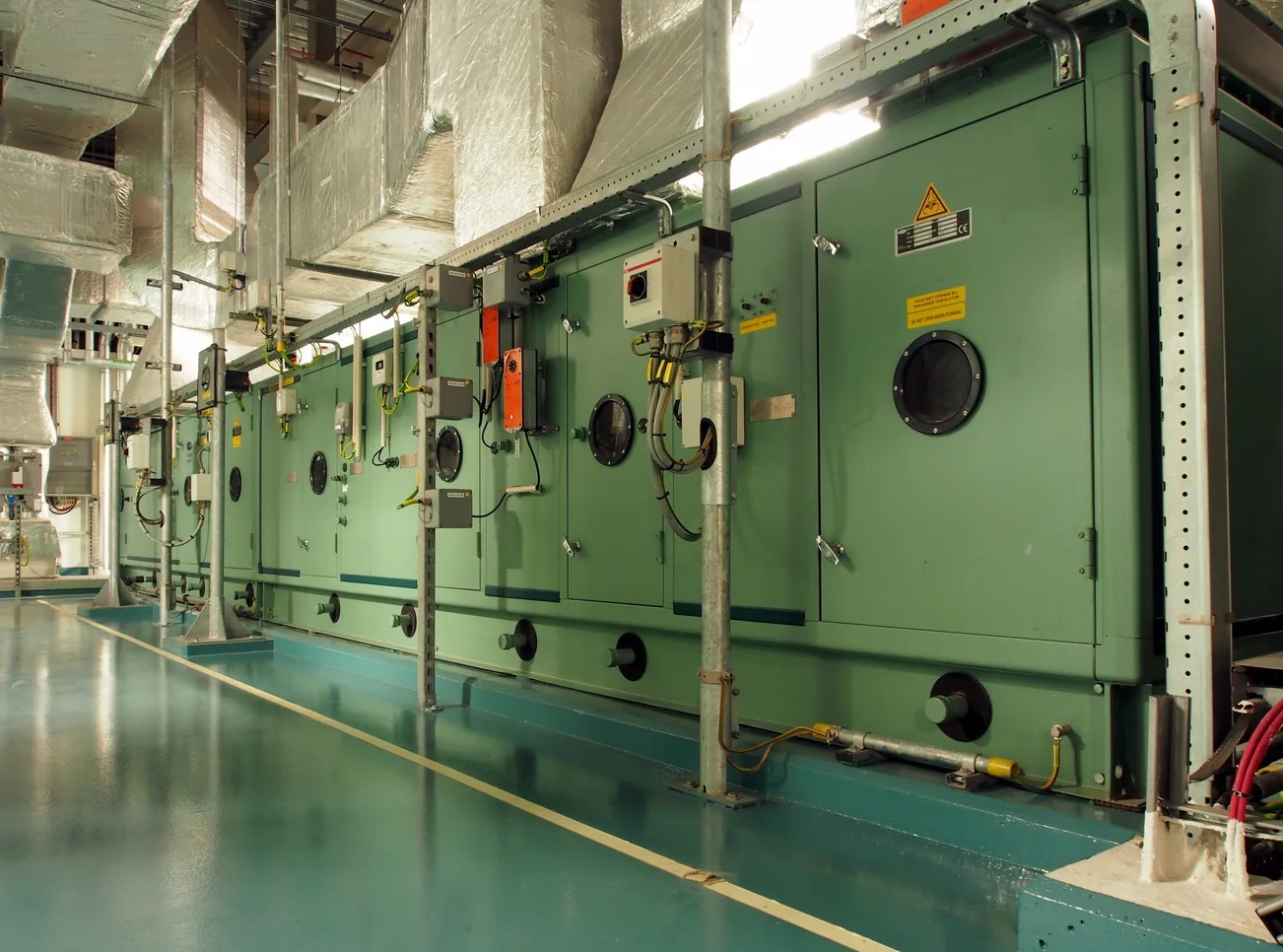
Infrared Leak Detection Services in West Columbia
In West Columbia, moisture mapping finds exactly where water is getting in, whether in a wall or a plumbing line, before the problem grows.
Thermal imaging leak detection is a valuable service for properties in West Columbia and nearby areas like Cayce, Olympia and Arthurtown. Using infrared technology, local moisture mapping experts can identify hidden moisture from roof leaks or plumbing issues without invasive probing.
Advanced Thermal Imaging Leak Detection Solutions in West Columbia
Plumbing Leak Infrared Inspection
Slow leaks from aging pipes often go undetected. Thermal imaging pros scan plumbing routes, identifying temperature variations that indicate moisture.
Moisture Intrusion Pathway Analysis
Pathway analysis explains how moisture traveled within wall cavities or ceiling spaces. The thermal data highlights construction details or defects, informing recommendations for lasting, root-cause repairs.
Hidden Water Leak Detection
Concealed leaks cause dampness and high water bills. Thermal imaging identifies temperature anomalies from moisture, letting the pros map wet areas behind walls.
Wall Ceiling Moisture Scans
Before a water stain is repaired, a moisture scan shows every wet material behind the surface, so drying covers the whole wet area in West Columbia.
Post-Repair Leak Verification
Verifying a repair's success prevents callbacks. The pros re-scan with thermal cameras to compare thermal patterns after the fix.
Clues You Have a Leak Requiring Thermal Imaging Leak Detection in West Columbia
Damp or Stained Drywall Sections
Wet spots or discoloration on walls are classic signs of a hidden water leak behind the surface.
Unexplained Spikes in Water Bills
Your water bill suddenly jumps without a clear reason, pointing to a hidden water leak that thermal imaging can find.
Visible Mold Patches on Walls
Mold on drywall or baseboards means moisture inside the wall. The source has to be found before it is fixed.
Reduced Water Pressure in Fixtures
A sudden drop in water pressure at taps can indicate a leak in the plumbing system.
How Thermal Imaging Leak Detection Works in West Columbia
Step 1: Initial Visual and Moisture Assessment
The process begins with a discussion of the symptoms and a visual check of the affected areas for obvious signs of moisture.
Step 2: Comprehensive Thermal Imaging Scan
Using a high-resolution thermal camera, the pros perform a non-invasive leak detection scan of walls, ceilings, and floors.
Step 3: Analysis of Infrared Data and Moisture Mapping
The thermal images are analyzed to identify temperature anomalies, creating a detailed moisture map of the leak's extent and source.
Step 4: Detailed Findings and Verification Report
The pros provide a clear report with thermal images, documenting the leak location for repair planning or insurance purposes.
Common Causes for Thermal Imaging Leak Detection in West Columbia
Improperly Installed or Old Flashing
Flashing around chimneys, vents, or skylights that is old or poorly installed is a common source of roof leaks.
High Water Pressure Stressing Pipes
Excessively high water pressure strains pipe joints and fittings, making them prone to failure and leaks.
Faulty Appliance Connections and Hoses
Washing machine hoses, water heater connections, or ice maker lines can degrade and leak behind appliances.
HVAC Condensate Drain Line Leaks
Clogged or cracked condensate lines from air conditioners can leak water inside walls or ceiling cavities.
West Columbia Thermal Imaging Leak Detection for Residential & Commercial Clients
Residential Thermal Imaging Leak Detection
Wall and ceiling moisture scans in residences find leaks from plumbing runs or roof issues. This hidden water leak detection prevents mold growth and preserves drywall and insulation integrity.
Commercial Thermal Imaging Leak Detection
In offices and facilities, wall and ceiling moisture scans assess large interior spaces. Infrared leak detection helps manage building health and indoor air quality by finding concealed damp areas.
The Limits of DIY and the Need for Water Damage Pros in West Columbia
Clean gutters and downspouts so water drains away from the foundation, and look for roof damage from the ground with binoculars. If you see stains but cannot find the entry point, call pros.
Investing in Professional Thermal Imaging Leak Detection in West Columbia
For slab leak thermal detection in West Columbia, the cost is shaped by the depth of the slab and the number of potential leak points identified by the infrared inspection.
Access Challenges
Difficult roof access or confined spaces for plumbing leak infrared inspection can extend the duration of the on-site service.
Emergency Response
A 24/7 emergency leak location service call typically involves a different service structure than a scheduled thermal imaging inspection.
Scan Documentation
Detailed reporting for insurance, including moisture mapping visuals and pathway analysis, adds to the project time for the pros.
Does Insurance Cover Thermal Imaging Leak Detection?
Coverage for finding a plumbing leak depends on your policy and the cause. The pros record the inspection for your insurer.
Advantages of Local Experts in West Columbia
Non-Invasive Leak Detection
Thermal imaging finds hidden moisture without damaging walls or floors, preserving your property's structure during the investigation process.
IICRC-Standard Methods
Scans are done the same way each time and recorded, so results can be compared after repairs.
Moisture Pathway Analysis
Experts analyze how water travels within structures, identifying secondary damage areas that may not be visibly wet.
Emergency Response for Leaks in West Columbia
New moisture after a repair should be checked quickly. Emergency thermal scans can confirm whether the leak is fixed. Call (803) 941-5983 for help.
Call Now (803) 941-5983West Columbia Thermal Imaging Leak Detection and Surrounding Communities
Local pros perform non-invasive thermal leak detection for homes and buildings in West Columbia and nearby locations like Cayce, Olympia and Arthurtown.
- Thermal Imaging Leak Detection in Cayce
- Thermal Imaging Leak Detection in Olympia
- Thermal Imaging Leak Detection in Arthurtown
- Thermal Imaging Leak Detection in St. Andrews
- Thermal Imaging Leak Detection in Oak Grove
- Thermal Imaging Leak Detection in Lexington
- Thermal Imaging Leak Detection in Red Bank
- Thermal Imaging Leak Detection in Seven Oaks
- Emergency Damage Restoration in 29169
- Storm Damage Restoration in 29169
- Water Damage Restoration in 29169
- Water Extraction Service in 29169
- Water Leak Detection in 29169
- Water Removal Service in 29169
- Emergency Damage Restoration in 29170
- Storm Damage Restoration in 29170
Frequently Asked Questions About Thermal Imaging Leak Detection
Can thermal imaging verify a leak is fixed?
Yes, post-repair leak verification involves a follow-up thermal scan to confirm the previously wet area has dried and no new moisture intrusion is present.
How do moisture mapping experts document findings for insurance?
They provide a detailed report with thermal images and moisture readings, following industry standards to create objective evidence for your claim submission.
What does moisture intrusion pathway analysis involve?
A moisture intrusion pathway analysis examines how water moves from a leak, which can help identify affected areas and potential secondary damage.
How is hidden water leak detection different from traditional methods?
Traditional methods often involve guesswork and exploratory damage; thermal imaging provides visual evidence to locate leaks precisely before any repair work begins.
How does plumbing leak infrared inspection work?
The thermal camera scans walls and floors near plumbing lines, identifying cooler patterns that indicate water leakage from pipes within the structure.