Jenkinsville, SC · Fairfield County
Thermal Imaging Leak Detection in Jenkinsville, SCSlab Leak Thermal Detection & Wall Ceiling Moisture Scans
In Jenkinsville, Thermal Imaging Leak Detection covers hidden water leak detection, roof leak moisture mapping, and plumbing leak infrared inspection.
Answered 24/7
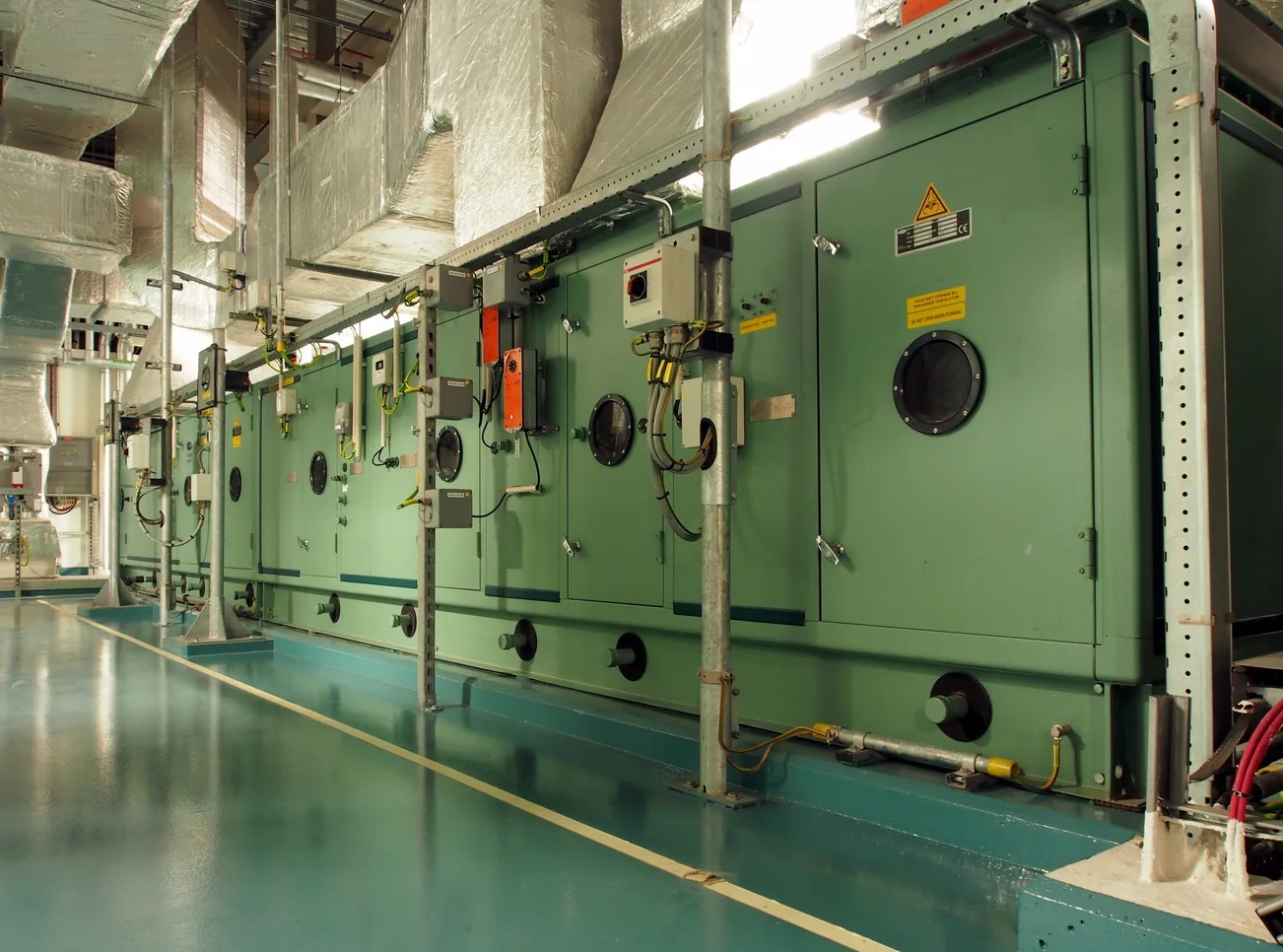
Thermal Imaging Leak Detection: Find Hidden Leaks in Jenkinsville
In Jenkinsville, a hidden leak from the roof or plumbing can rot wood and affect indoor air. Infrared detection finds it early.
In Jenkinsville and nearby Peak, Pomaria and Chapin, local pros use thermal imaging to find slab, ceiling and plumbing leaks, with help day or night for emergencies.
The Thermal Imaging Leak Detection Process in Jenkinsville
Slab Leak Thermal Detection
A slab leak can undermine a foundation. Thermal imaging pros perform a systematic scan, looking for anomalous thermal patterns that map the wet zone.
Wall Ceiling Moisture Scans
A wall or ceiling moisture scan provides objective data. Thermal images document moisture's extent, serving as a baseline for drying and as evidence for a claim.
Emergency Leak Location Services
Infrared cameras enable rapid scans of large areas during an emergency. This thorough leak location directs mitigation, like water shut-off or equipment placement, to the correct spot.
Moisture Intrusion Pathway Analysis
Thermal images record how water moved, which can point to failed seals so repairs fix the cause.
Post-Repair Leak Verification
A final infrared inspection closes the loop on a leak repair. It checks for residual moisture or new leaks, ensuring the area is truly dry.
Warning Signs You Need Thermal Imaging Leak Detection in Jenkinsville
Unexplained Spikes in Water Bills
Your water bill suddenly jumps without a clear reason, pointing to a hidden water leak that thermal imaging can find.
Sounds of Running Water When Idle
Hearing water flow when all fixtures are off is a strong indicator for plumbing leak infrared inspection.
Reduced Water Pressure in Fixtures
A sudden drop in water pressure at taps can indicate a leak in the plumbing system.
Warping or Bubbling Floorboards
Wood floors that buckle or bubble usually have moisture trapped underneath them.
How Thermal Imaging Leak Detection Works in Jenkinsville
Step 1: Scheduling the Thermal Imaging Inspection
Contact local moisture mapping experts to schedule a scan. Say if the leak is active, so urgent leaks can be scheduled first when possible.
Step 2: On-Site Thermal Camera Deployment
On site, the thermal camera leak finder is used to scan large areas quickly, identifying cool, wet spots invisible to the eye.
Step 3: Moisture Intrusion Pathway Analysis
The pros analyze how water is moving, performing moisture intrusion pathway analysis to understand the full scope of the problem.
Step 4: Clear Communication of Next Steps
You receive a straightforward explanation of the leak's location and the recommended next steps for repair, based on the thermal evidence.
Common Causes of Hidden Water Leaks in Jenkinsville
HVAC Condensate Drain Line Leaks
Clogged or cracked condensate lines from air conditioners can leak water inside walls or ceiling cavities.
Roof Damage From Weather or Debris
Missing shingles or damaged flashing let water in, and a thermal scan can trace its path through the ceiling.
Faulty Appliance Connections and Hoses
Washing machine hoses, water heater connections, or ice maker lines can degrade and leak behind appliances.
Poorly Sealed Windows and Doors
Improper sealing around windows and doors permits rainwater intrusion, leading to wall and ceiling moisture scans being needed.
Residential and Commercial Thermal Imaging Leak Detection in Jenkinsville
Residential Thermal Imaging Leak Detection
For homes on concrete slabs, thermal cameras can help locate leaks under the floor without digging. The experts map where the warm or cool spot is.
Commercial Thermal Imaging Leak Detection
For commercial buildings, slab leak thermal detection identifies leaks in warehouse floors or underground parking garages. This allows for targeted repairs that avoid costly, widespread concrete removal and extended facility downtime.
Limitations of DIY Leak Detection in Jenkinsville
After a known leak is repaired, you can watch the area for new wetness. Keep the area dry and ventilated. However, to confirm all moisture is gone inside walls or floors, schedule post-repair leak verification with the pros.
Factors Affecting Thermal Imaging Leak Detection Costs in Jenkinsville
In Jenkinsville, roof scans cost more on steep or large roofs and when a detailed report is needed.
Verification Needs
Post-repair leak verification may involve re-scanning several areas, which influences the total time commitment for the specialists.
Leak Complexity
Multiple suspected leak sources or hard-to-access areas like deep slab leaks increase the scope of the non-invasive leak detection process.
Scan Documentation
Detailed reporting for insurance, including moisture mapping visuals and pathway analysis, adds to the project time for the pros.
Does Insurance Cover Thermal Imaging Leak Detection?
Coverage for finding a plumbing leak depends on your policy and the cause. The pros record the inspection for your insurer.
Reasons to Select Jenkinsville Moisture Mapping Experts for Leak Detection
Moisture Pathway Analysis
Experts analyze how water travels within structures, identifying secondary damage areas that may not be visibly wet.
Objective Documentation
Thermal imaging provides visual and data-based evidence of moisture, useful for repair planning and insurance claim support.
Versatile Application
Effective for slab leak detection, plumbing leaks, roof leaks, and wall scans, addressing various water intrusion scenarios.
Emergency Response for Leaks in Jenkinsville
New stain on a wall or a drip from the ceiling? Thermal imaging can find the source without opening walls. Call (803) 941-5983.
Call Now (803) 941-5983Thermal Imaging Leak Detection Near Jenkinsville: Areas Served
Thermal leak detection and moisture mapping are available in Jenkinsville and nearby areas like Peak, Pomaria and Chapin.
- Thermal Imaging Leak Detection in Peak
- Thermal Imaging Leak Detection in Pomaria
- Thermal Imaging Leak Detection in Chapin
- Thermal Imaging Leak Detection in Little Mountain
- Thermal Imaging Leak Detection in Irmo
- Thermal Imaging Leak Detection in Winnsboro
- Thermal Imaging Leak Detection in Prosperity
- Thermal Imaging Leak Detection in Blythewood
- Emergency Damage Restoration in 29065
- Storm Damage Restoration in 29065
- Water Damage Restoration in 29065
- Water Extraction Service in 29065
- Water Leak Detection in 29065
- Water Removal Service in 29065
Common Thermal Imaging Leak Detection Questions Answered
When is slab leak thermal detection needed?
This service is used when a leak is suspected under a concrete foundation slab, as thermal imaging can detect the wet area's signature through the surface.
How does infrared leak detection find hidden leaks?
A thermal camera senses cooler surface temperatures where evaporation occurs from wet materials, creating a visual map that pinpoints moisture without physical intrusion.
How do moisture mapping experts document findings for insurance?
They provide a detailed report with thermal images and moisture readings, following industry standards to create objective evidence for your claim submission.
What is included in a thermal imaging water leak report?
The report typically includes thermal images, annotated moisture maps, a description of findings, and data supporting the location and extent of the water intrusion.
How does plumbing leak infrared inspection work?
The thermal camera scans walls and floors near plumbing lines, identifying cooler patterns that indicate water leakage from pipes within the structure.