Cross Hill, SC · Laurens County
Thermal Imaging Leak Detection in Cross Hill, SCMoisture Intrusion Pathway Analysis & Emergency Leak Location Services
In Cross Hill, Thermal Imaging Leak Detection covers hidden water leak detection, roof leak moisture mapping, and plumbing leak infrared inspection.
Answered 24/7
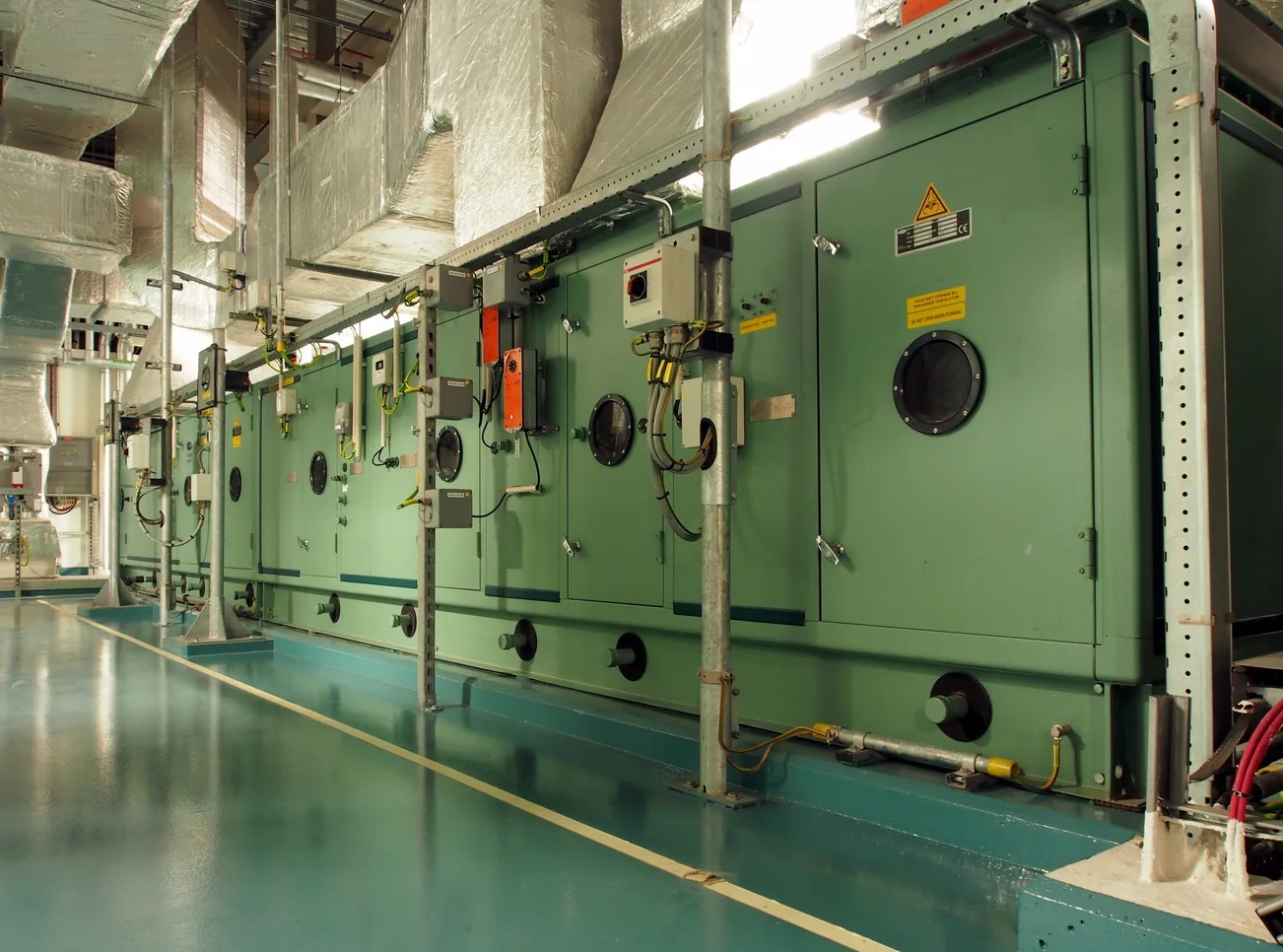
Professional Thermal Imaging Leak Detection in Cross Hill, SC
Wall and ceiling moisture scans can reveal hidden leaks from pipes or roofs in properties throughout Cross Hill. Identifying these issues early through thermal imaging inspection often prevents more extensive water damage later.
Thermal imaging leak detection is a valuable service for properties in Cross Hill and nearby areas like Mountville, Waterloo and Joanna. Using infrared technology, local moisture mapping experts can identify hidden moisture from roof leaks or plumbing issues without invasive probing.
Advanced Thermal Imaging Leak Detection Solutions in Cross Hill
Moisture Intrusion Pathway Analysis
Thermal images record how water moved, which can point to failed seals so repairs fix the cause.
Emergency Leak Location Services
Thermal imaging finds active leaks behind walls or under floors fast, so the water can be shut off and damage limited in Cross Hill.
Hidden Water Leak Detection
Unexplained moisture or mold requires investigation. Specialists perform a thermal scan, documenting images that show moisture migration paths.
Roof Leak Moisture Mapping
A roof leak can travel far from its entry point. Thermal imaging creates a moisture map of the affected area, showing the full extent of water intrusion.
Wall Ceiling Moisture Scans
Thermal imaging turns hidden wall moisture into a visible map. The camera detects where materials are cooler due to water content, letting pros distinguish between a small leak and widespread saturation.
Signs of a Hidden Leak in Cross Hill
Ceiling Stains From Unknown Sources
Brown or yellow stains on a ceiling often trace back to a roof leak needing moisture mapping.
Visible Mold Patches on Walls
Mold on drywall or baseboards means moisture inside the wall. The source has to be found before it is fixed.
Reduced Water Pressure in Fixtures
A sudden drop in water pressure at taps can indicate a leak in the plumbing system.
Unexplained Spikes in Water Bills
Your water bill suddenly jumps without a clear reason, pointing to a hidden water leak that thermal imaging can find.
How Thermal Imaging Leak Detection Works in Cross Hill
Step 1: Property Owner Consultation and Symptom Review
Local leak detection pros start by listening to your concerns about water bills, odors, or stains to guide the inspection.
Step 2: Systematic Infrared Leak Detection Sweep
The pros sweep each room with a thermal camera to look for signs of hidden leaks.
Step 3: Pinpointing the Leak Source With Thermal Data
The thermal imaging data pinpoints the exact origin of the leak, whether it's a plumbing line, roof breach, or slab issue.
Step 4: Documentation for Repair and Insurance
Photos and thermal images are compiled to document the damage, providing evidence you can share with your repair contractor or insurer.
Common Causes of Hidden Water Leaks in Cross Hill
Clogged or Damaged Gutters and Downspouts
Blocked gutters cause water to overflow and pool against a home's exterior, promoting moisture intrusion pathway analysis.
Foundation Shifts and Settlement Cracks
Ground movement creates cracks in a foundation slab, letting groundwater seep in and cause hidden moisture issues.
Improperly Installed or Old Flashing
Flashing around chimneys, vents, or skylights that is old or poorly installed is a common source of roof leaks.
Poorly Sealed Windows and Doors
Improper sealing around windows and doors permits rainwater intrusion, leading to wall and ceiling moisture scans being needed.
Infrared Leak Detection for All Properties in Cross Hill
Residential Thermal Imaging Leak Detection
Wall and ceiling moisture scans in residences find leaks from plumbing runs or roof issues. This hidden water leak detection prevents mold growth and preserves drywall and insulation integrity.
Commercial Thermal Imaging Leak Detection
In offices and facilities, wall and ceiling moisture scans assess large interior spaces. Infrared leak detection helps manage building health and indoor air quality by finding concealed damp areas.
Professional Leak Detection vs. DIY Methods in Cross Hill
Clean gutters and downspouts so water drains away from the foundation, and look for roof damage from the ground with binoculars. If you see stains but cannot find the entry point, call pros.
Thermal Imaging Leak Detection Cost in Cross Hill, SC
The pros price thermal leak detection by how hard the suspected areas are to reach and how many scans are needed.
Moisture Extent
If scans find moisture spread widely through walls and ceilings, a fuller assessment adds to the cost.
Scan Documentation
Detailed reporting for insurance, including moisture mapping visuals and pathway analysis, adds to the project time for the pros.
Property Size
Larger homes in Cross Hill require more thermal imaging scans and time for thorough hidden water leak detection across all potential moisture intrusion points.
Does Insurance Cover Thermal Imaging Leak Detection?
For slab leak thermal detection, a property owner should confirm coverage with their insurer first. The local pros document the leak's location and extent using industry-standard methods for the claim file.
The Value of Professional Thermal Imaging Leak Detection in Cross Hill
Moisture Pathway Analysis
Experts analyze how water travels within structures, identifying secondary damage areas that may not be visibly wet.
Objective Documentation
Thermal imaging provides visual and data-based evidence of moisture, useful for repair planning and insurance claim support.
Pinpoint Accuracy
Infrared leak detection identifies the exact origin of a water intrusion, allowing for targeted repairs that address the root cause.
24/7 Emergency Thermal Imaging Leak Detection in Cross Hill
New moisture after a repair should be checked quickly. Emergency thermal scans can confirm whether the leak is fixed. Call (803) 941-5983 for help.
Call Now (803) 941-5983Thermal Imaging Leak Detection Near Cross Hill: Areas Served
Emergency leak location services using thermal imaging are available for properties in Cross Hill, along with surrounding towns like Mountville, Waterloo and Joanna.
- Thermal Imaging Leak Detection in Mountville
- Thermal Imaging Leak Detection in Waterloo
- Thermal Imaging Leak Detection in Joanna
- Thermal Imaging Leak Detection in Greenwood
- Thermal Imaging Leak Detection in Kinards
- Thermal Imaging Leak Detection in Silverstreet
- Thermal Imaging Leak Detection in Clinton
- Thermal Imaging Leak Detection in Laurens
- Emergency Damage Restoration in 29332
- Storm Damage Restoration in 29332
- Water Damage Restoration in 29332
- Water Extraction Service in 29332
- Water Leak Detection in 29332
- Water Removal Service in 29332
Thermal Imaging Leak Detection FAQs
When is slab leak thermal detection needed?
This service is used when a leak is suspected under a concrete foundation slab, as thermal imaging can detect the wet area's signature through the surface.
Is thermal imaging used for water damage inspection after a leak?
Yes, it helps define the full extent of moisture damage for drying planning and helps ensure all affected materials are identified during the restoration process.
What does moisture intrusion pathway analysis involve?
A moisture intrusion pathway analysis examines how water moves from a leak, which can help identify affected areas and potential secondary damage.
How does infrared leak detection find hidden leaks?
A thermal camera senses cooler surface temperatures where evaporation occurs from wet materials, creating a visual map that pinpoints moisture without physical intrusion.
What is included in a thermal imaging water leak report?
The report typically includes thermal images, annotated moisture maps, a description of findings, and data supporting the location and extent of the water intrusion.