Lexington, SC · Lexington County
Subfloor Water Damage Repair in Lexington, SCSubfloor Mold Prevention & Subfloor Moisture Inspection
Subfloor Water Damage Repair in Lexington involves subfloor water extraction, wet subfloor drying, and water damaged subfloor repair.
Answered 24/7
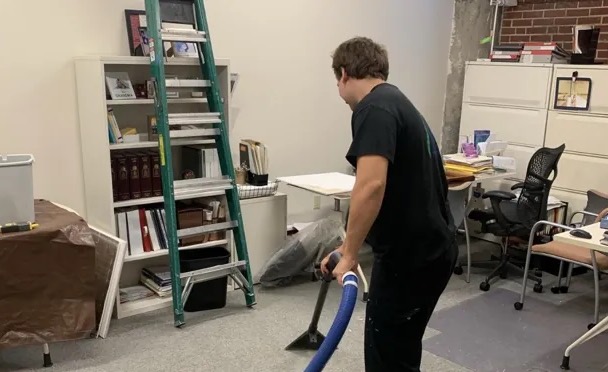
Professional Subfloor Water Damage Repair in Lexington, SC
In Lexington, a wet subfloor can rot, grow mold and warp the floor above. Pros stop the leak first, then extract the standing water.
In Lexington, local pros remove water from under floors 24/7, here and in nearby Red Bank, Oak Grove and Seven Oaks, before the subfloor wood soaks it up and swells.
Comprehensive Subfloor Water Damage Repair Solutions
Subfloor Mold Prevention
After extraction and drying, pros may apply antimicrobial agents to the subfloor so mold cannot take hold.
Subfloor Moisture Inspection
A professional subfloor moisture inspection uses penetrating moisture meters and thermal imaging. These tools allow pros to map the extent of water damage hidden beneath your flooring without unnecessary demolition.
Emergency Subfloor Water Removal
Emergency subfloor water removal is available 24/7. Quick action limits how far water spreads.
Subfloor Water Extraction
Pros remove all pooled water, using specialized wands to pull it from the cavities between subfloor panels and joists, so drying can work.
Subfloor Leak Source Repair
Without source repair, drying is temporary. Local pros prioritize finding and fixing the leak.
Symptoms of a Wet Subfloor
Visible Mold on Baseboards
Mold growth along floor edges or baseboards frequently originates from a wet subfloor concealed beneath the surface.
Floor Discoloration or Darkening
Discolored, darkened patches on flooring materials are a visual indicator of water migration from a compromised subfloor.
Cracked or Loose Floor Tiles
Tiles that crack, pop loose, or lose grout integrity are often victims of a shifting, wet subfloor beneath.
Increased Humidity in Home
Unexplained high indoor humidity levels can be caused by evaporating moisture from a water damaged subfloor.
How Subfloor Water Damage Repair Works in Lexington
Step 1: Containment & Source Control
The work area is isolated to prevent cross-contamination. Simultaneously, local water removal specialists diagnose and execute the necessary subfloor leak source repair to halt ongoing water intrusion.
Step 2: Comprehensive Water Extraction
Every effort is made to remove water physically before drying. This subfloor water extraction phase employs tools designed to pull moisture from wood fibers and concrete substrates effectively.
Step 3: Subfloor Water Damage Restoration
The subfloor is dried and checked. Panels that dry sound are kept, and those that are delaminated or rotted are marked for replacement.
Step 4: Structural Repair & Integrity Restoration
Damaged panels are replaced and joists are sistered where needed, so new flooring goes down on a solid, level base.
Typical Reasons for Subfloor Water Damage Repair Needs
HVAC Condensate Drain Issues
A clogged or disconnected AC condensate line can drip condensate directly onto the subfloor for an extended period.
Flooding From Upstairs Sources
An overflow from an upstairs bathroom, laundry, or kitchen can flood down through ceilings and walls, soaking lower subfloors.
Foundation or Slab Moisture
Groundwater seepage or capillary action through a concrete slab can introduce constant moisture to the subfloor above.
Sink or Tub Drain Leakage
Leaky drain assemblies or supply connections under sinks and tubs can drip directly through finish materials to the subfloor.
Subfloor Water Damage Repair for All Property Types
Residential Subfloor Water Damage Repair
In homes, subfloor water damage often starts unnoticed under kitchens, bathrooms, and laundry rooms. Local subfloor water damage pros use moisture meters and thermal cameras to map the wet area.
Commercial Subfloor Water Damage Repair
For businesses, wet subfloors can disrupt operations under retail floors, office carpeting, or restaurant kitchens. The experts use industrial equipment for rapid moisture removal.
The Risks of DIY Subfloor Water Damage Repair
If you discover a minor, fresh spill on a sealed floor, you can safely wipe it up immediately with towels. For any moisture that may have seeped through seams, use a wet-dry vacuum on the surface. However, if the floor feels soft or you suspect water has penetrated, stop and call the pros for a professional assessment to prevent hidden damage.
Subfloor Water Damage Repair Cost in Lexington, SC
Subfloor water damage repair cost in Lexington depends on the scale of the affected area and the type of flooring materials present.
Emergency Response
A 24/7 emergency subfloor water removal call typically involves after-hours service rates due to after-hours mobilization of the specialists.
Leak Source Repair
Identifying and fixing the subfloor leak source is often a separate task that must be completed before the drying and repair can finalize.
Access Complexity
The ease of reaching the damaged subfloor, which may require removing finished flooring, adds to the labor involved in the water damaged subfloor repair.
Does Insurance Cover Subfloor Water Damage Repair?
Homeowners insurance may cover subfloor water damage repair if the cause is a sudden, accidental event like a burst pipe. Coverage decisions belong entirely to your insurer, so confirm your policy details and any applicable deductibles for water damage.
The Value of Professional Subfloor Water Damage Repair
24/7 Emergency Response
Help with emergency subfloor water removal is available around the clock to begin water extraction and limit further structural damage immediately.
Source-to-Finish Repair
Pros handle the whole job, from fixing the leak to final repairs.
Mold Prevention Focus
Proactive subfloor mold prevention techniques are applied after water extraction to inhibit mold within the repaired subfloor structure.
Around-the-Clock Emergency Subfloor Water Damage Repair in Lexington
A subfloor flood requires urgent professional attention to limit damage. Reach the specialists at (803) 941-5983 to start emergency subfloor water extraction and drying services in Lexington, which can help prevent secondary issues.
Call Now (803) 941-5983Communities Serviced for Subfloor Water Damage Repair
Professional subfloor drying services and leak source repair are critical for residences in Lexington and the broader region encompassing Red Bank, Oak Grove and Seven Oaks.
- Subfloor Water Damage Repair in Red Bank
- Subfloor Water Damage Repair in Oak Grove
- Subfloor Water Damage Repair in Seven Oaks
- Subfloor Water Damage Repair in Irmo
- Subfloor Water Damage Repair in Cayce
- Subfloor Water Damage Repair in West Columbia
- Subfloor Water Damage Repair in Gilbert
- Subfloor Water Damage Repair in Gaston
- Emergency Damage Restoration in 29071
- Storm Damage Restoration in 29071
- Water Damage Restoration in 29071
- Water Extraction Service in 29071
- Water Leak Detection in 29071
- Water Removal Service in 29071
- Emergency Damage Restoration in 29072
- Storm Damage Restoration in 29072
Subfloor Water Damage Repair FAQs
Does subfloor water damage affect the rest of the house?
Yes, moisture can migrate to walls and other materials, and mold spores from a wet subfloor can spread through the HVAC system, impacting entire living spaces.
What happens if subfloor water damage is ignored?
Ignored damage leads to warping, floor failure, persistent mold growth, and deteriorating indoor air quality, ultimately requiring more extensive and costly repairs later.
What tools are used for subfloor moisture inspection?
The pros use moisture meters, hygrometers, and sometimes thermal imaging cameras to detect hidden wetness and verify dryness after the subfloor drying process.
Is wet subfloor replacement always required after a leak?
No, replacement is only needed if the structural materials are compromised beyond repair; professional assessment determines if drying and repair are sufficient.
When is emergency subfloor water removal necessary?
Right away. Fast removal limits structural damage, shortens drying and lowers the risk of mold under the floor.