Swansea, SC · Lexington County
Standing Water Extraction in Swansea, SCFlooded Room Drying & Laundry Room Water Extraction
In Swansea, Standing Water Extraction consists of post-flood sanitization, basement standing water removal and flooded room drying.
Answered 24/7
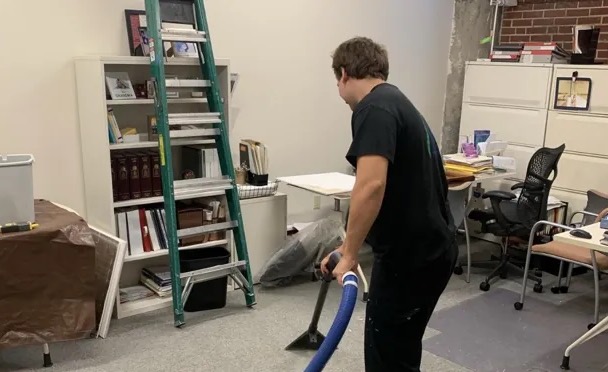
Standing Water Extraction for Swansea Residents
Standing water in Swansea homes weakens floors and walls and can lead to mold within days. Water extraction experts remove it with industrial pumps and dry the structure to industry standards.
Properties in Swansea and nearby areas like Gaston, North and Pelion can experience standing water from various sources, including heavy rainfall or internal leaks. The pros are equipped to handle these emergencies, providing rapid water extraction service to mitigate damage.
Complete Standing Water Extraction Services in Swansea
Flooded Room Drying
Flooded room drying starts with powerful extractors removing all surface water. Pros then deploy air movers and dehumidifiers to dry floors, walls, and furnishings, preventing warping.
Laundry Room Water Extraction
A washer hose or drain line that fails can flood a laundry room in Swansea. Extractors remove the water from the floor and from under the appliances.
Sump Pump Failure Cleanup
When a sump pump stops working, standing water extraction is the urgent first step. The pros remove the water and implement aggressive drying to mitigate damage while the primary flood prevention system is addressed.
Post-Flood Sanitization
Final sanitization is a key phase following water removal. The pros perform this cleaning to address microorganisms that may have been introduced by the floodwater, an essential process for a truly restored and healthy indoor environment.
Groundwater Flood Extraction
Rising groundwater can flood a home's lower levels quickly. The extraction response involves powerful pumping to evacuate the water, followed by a detailed drying protocol to protect the foundation and slab from persistent moisture.
Indicators of Standing Water Damage in Swansea
Damp Floors After Rain
Floors that stay damp after storms suggest water is seeping through the foundation.
Musty Odor in Rooms
A persistent earthy smell often means water is collecting somewhere you cannot see.
Crawl Space Flooding Signs
Mud, debris or water in your crawl space can weaken the supports under the house.
Groundwater in Utility Room
Water in a mechanical room threatens the water heater, furnace and wiring.
How Standing Water Extraction Works in Swansea
Step 1: Emergency Water Assessment
The pros first evaluate the flooding source and extent, checking for safety hazards like electrical risks or structural compromise.
Step 2: Industrial Water Pump Out
Using submersible pumps and extractors, they perform the core standing water removal, clearing visible water from the property.
Step 3: Targeted Flooded Area Drying
High-capacity air movers and dehumidifiers are strategically placed to dry walls, floors, and hidden cavities using industry-standard methods.
Step 4: Post-Extraction Sanitization
Affected surfaces are treated with EPA-registered antimicrobial solutions as part of post-flood sanitization to inhibit mold and bacteria.
Causes of Residential Water Accumulation
Flash Flooding Events
Sudden flooding from nearby creeks and rivers can put water inside homes quickly.
Foundation Cracks and Seepage
Hairline cracks in concrete foundations let groundwater seep into the basement, especially after heavy rain.
Roof Leaks and Gutter Failures
Damaged roofing or blocked gutters send water inside the walls, where it collects unseen.
Plumbing System Failures
Burst pipes, leaking fittings and failed supply hoses can release large volumes of water fast.
Property Standing Water Extraction Solutions in Swansea
Residential Standing Water Extraction
Groundwater intrusion or a burst pipe requires professional remove standing water services. The experts deploy submersible pumps for basement standing water removal and use air movers for thorough drying.
Commercial Standing Water Extraction
The pros make electrical safety the first priority in flooded commercial buildings, then remove the water and dry the space to protect stock, equipment and servers.
Knowing When You Need Flood Cleanup Pros for Standing Water Extraction
Avoid contact with flood water, which may be contaminated. You can move soaked boxes out for disposal. Moisture detection, sanitizing and controlled drying should be left to pros.
Understanding Standing Water Extraction Expenses
Home flood cleanup expenses in Lexington County are influenced by the accessibility of the water, such as in a crawl space, and the complexity of the drying setup required.
Materials Affected
Porous materials like drywall and carpet hold more water and often must be removed, which adds to the job.
Location Accessibility
Hard-to-reach areas like crawl spaces or basements can complicate equipment setup and extraction, potentially increasing the time and effort required.
Area Size and Contamination
Larger flooded areas need more equipment. Water category from clean to contaminated affects the safety protocols and cleanup methods used.
Does Insurance Cover Standing Water Extraction?
Flood cleanup after a plumbing failure often involves an insurance claim, but homeowners should verify coverage with their provider. The role of local pros is to perform the standing water removal and provide clear evidence of the loss, including moisture mapping and photos.
Benefits of Local Standing Local Experts
24/7 Emergency Response
Help is available around the clock, so standing water can be removed before it soaks further into floors and walls.
Industrial-Grade Drying Equipment
High-capacity air movers and dehumidifiers are deployed to dry flooded areas quickly, stabilizing the environment and protecting materials.
Contamination Safety Protocols
Proper handling of contaminated water protects your health. Pros use appropriate PPE and disinfection steps for categories of water involved.
24/7 Emergency Standing Water Extraction in Swansea
If you have a groundwater flood or a major appliance leak, time is critical. Reach the pros at (803) 941-5983 for emergency water removal.
Call Now (803) 941-5983Where Standing Water Extraction is Provided
In Swansea, homes and businesses can get standing water removed after storms, leaks and failures. The pros also serve nearby areas like Gaston, North and Pelion.
- Standing Water Extraction in Gaston
- Standing Water Extraction in North
- Standing Water Extraction in Pelion
- Standing Water Extraction in Neeses
- Standing Water Extraction in Red Bank
- Standing Water Extraction in St. Matthews
- Standing Water Extraction in West Columbia
- Standing Water Extraction in Oak Grove
- Emergency Damage Restoration in 29160
- Storm Damage Restoration in 29160
- Water Damage Restoration in 29160
- Water Extraction Service in 29160
- Water Leak Detection in 29160
- Water Removal Service in 29160
FAQs About Professional Water Extraction
What equipment is used for flooded room drying?
Flooded room drying uses industrial air movers to circulate air, dehumidifiers to remove moisture from it, and moisture meters to track the drying progress of walls and floors.
What is the process for standing water extraction?
The process begins with an assessment and water removal using powerful pumps. Then, industrial air movers and dehumidifiers dry the area, followed by moisture monitoring to confirm it's dry.
How long does groundwater flood extraction take?
Groundwater flood extraction time varies by volume and area. The pumping itself may take hours, but the complete drying process often takes several days of monitored effort.
Is post-flood sanitization always necessary?
Post-flood sanitization is recommended after most flooding events, especially if the water was contaminated, to disinfect surfaces and inhibit mold after drying is complete.
How do the pros find hidden moisture after extraction?
Professionals use non-invasive moisture meters and thermal imaging cameras to detect elevated moisture levels hidden behind walls, under flooring, or in insulation after water removal.