Peak, SC · Newberry County
Standing Water Extraction in Peak, SCSump Pump Failure Cleanup & Laundry Room Water Extraction
In Peak, Standing Water Extraction covers groundwater flood extraction, appliance leak water removal and post-flood sanitization.
Answered 24/7
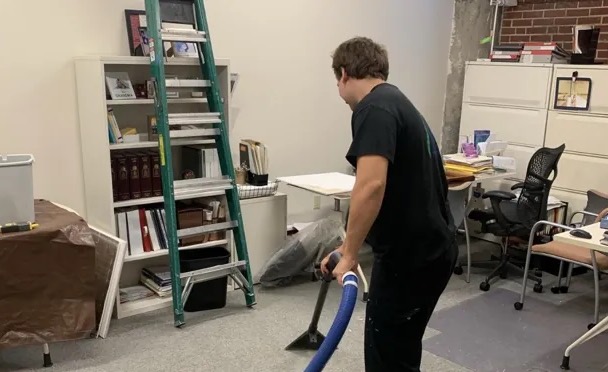
Standing Water Extraction Experts Serving Peak
For any home in Peak, a flooded area demands professional drying to avoid long-term complications like foul odors and weakened foundations.
Businesses in Peak, Jenkinsville, Chapin and Little Mountain lose money while water sits on the floor. Local flood cleanup pros bring high-capacity pumps and dryers to remove it after roof or plumbing leaks.
Detailed Standing Water Extraction Solutions for Peak
Sump Pump Failure Cleanup
When a sump pump stops working, standing water extraction is the urgent first step. The pros remove the water and implement aggressive drying to mitigate damage while the primary flood prevention system is addressed.
Laundry Room Water Extraction
Water from a laundry room overflow often runs under cabinets and into the next room. Pros extract it, move the appliances if needed and start drying.
Flooded Room Drying
Flooded room drying starts with powerful extractors removing all surface water. Pros then deploy air movers and dehumidifiers to dry floors, walls, and furnishings, preventing warping.
Crawl Space Water Extraction
Water in a crawl space creates a high-humidity environment conducive to mold. Low-profile extraction equipment is used to remove the standing water, followed by directed drying to improve conditions under the home and protect structural wood.
Appliance Leak Water Removal
A burst appliance line requires localized water extraction. The pros target the standing water pooled around and beneath the machine, removing it to minimize absorption into adjacent materials and prevent damage migration.
When to Call for Standing Water Extraction in Peak
Musty Odor in Rooms
A persistent earthy smell often means water is collecting somewhere you cannot see.
Damp Floors After Rain
Floors that stay damp after storms suggest water is seeping through the foundation.
Water Rising From Floor Drains
Water coming up through a floor drain means the drain is blocked or overloaded. It needs to be pumped out and the drain cleared.
Carpets Saturated and Heavy
Heavy, soggy carpet is holding water. Extracting it fast may save the carpet and pad.
How Standing Water Extraction Works in Peak
Step 1: Water Source Control
The first priority is stopping active water intrusion, whether from a broken pipe, appliance leak, or external flooding source.
Step 2: Professional Water Extraction
Specialized extraction tools perform the core water extraction service, removing water from even difficult areas like crawl spaces or under cabinets.
Step 3: Advanced Structural Drying
Flooded room drying employs a combination of air movers, dehumidifiers, and sometimes heat systems to achieve and complete drying.
Step 4: Damage Documentation and Review
Detailed documentation, including photos and moisture logs, is compiled for your review and potential use in the insurance claims process.
Causes of Residential Water Accumulation
Sewer or Sump Pump Backup
A clogged sewer line or failed sump pump lets water back up into basements.
Roof Leaks and Gutter Failures
Damaged roofing or blocked gutters send water inside the walls, where it collects unseen.
Heavy Rainfall and Storms
Heavy rain can overwhelm drains and let surface water flow into homes, where it pools in the lowest rooms.
Natural Groundwater Rise
Soil that stays saturated after long wet spells can push water up through cracks in slab floors.
Both Home and Business Standing Water Extraction Available
Residential Standing Water Extraction
A flood at home ruins carpets, furniture and drywall. The pros find the source, remove the water from the basement or crawl space and start drying.
Commercial Standing Water Extraction
Offices, stores and warehouses need water gone fast. Pros use truck-mounted pumps for large areas and document the damage for your business insurance claim.
The Risks of DIY Standing Water Extraction in Peak
Take photos before moving anything and move dry belongings to another room. Do not touch electrical systems or appliances in standing water. Pump-related flooding needs a professional pump out.
Factors Affecting Standing Water Extraction Price
Costs vary with the source: clean water from an appliance costs less to handle than dirty groundwater, which needs cleaning after removal.
Documentation for Insurance
Detailed photo and moisture documentation for your claim file adds a professional service layer that is part of the process.
Location Accessibility
Hard-to-reach areas like crawl spaces or basements can complicate equipment setup and extraction, potentially increasing the time and effort required.
Water Volume and Depth
Deeper standing water requires more powerful pumps and longer extraction times, directly impacting the labor and equipment costs for the job.
Does Insurance Cover Standing Water Extraction?
Coverage varies. Most standard homeowners policies exclude flooding from outside water, and some water sources need separate coverage. Check with your insurer.
The Value of Expert Water Extraction
Direct Communication
You receive clear explanations of the standing water removal process and the findings from the initial assessment of your property.
Industrial-Grade Drying Equipment
High-capacity air movers and dehumidifiers are deployed to dry flooded areas quickly, stabilizing the environment and protecting materials.
IICRC-Standard Extraction Methods
Pros follow industry drying standards to remove water fully, which helps prevent mold and secondary damage.
24/7 Emergency Standing Water Extraction in Peak
Standing water in Peak? Call (803) 941-5983 24 hours a day to have it removed and drying started before it soaks in.
Call Now (803) 941-5983Where Standing Water Extraction is Provided
Flooded room drying and emergency pump out services protect properties in Peak. The experts provide responsive service to this community and neighboring locations such as Jenkinsville, Chapin and Little Mountain.
- Standing Water Extraction in Jenkinsville
- Standing Water Extraction in Chapin
- Standing Water Extraction in Little Mountain
- Standing Water Extraction in Pomaria
- Standing Water Extraction in Prosperity
- Standing Water Extraction in Irmo
- Standing Water Extraction in Winnsboro
- Standing Water Extraction in Newberry
- Emergency Damage Restoration in 29122
- Storm Damage Restoration in 29122
- Water Damage Restoration in 29122
- Water Extraction Service in 29122
- Water Leak Detection in 29122
- Water Removal Service in 29122
Frequently Asked Standing Water Extraction Questions
How does 24/7 emergency service work for water extraction?
24/7 emergency service means homeowners can call for help any time, day or night. The pros usually mobilize to start the water extraction service to mitigate damage.
How quickly should standing water be removed?
Standing water should be removed as soon as possible, ideally within 24-48 hours, to prevent structural damage, mold growth, and the spread of contamination throughout the property.
Is post-flood sanitization always necessary?
Post-flood sanitization is recommended after most flooding events, especially if the water was contaminated, to disinfect surfaces and inhibit mold after drying is complete.
What equipment is used for flooded room drying?
Flooded room drying uses industrial air movers to circulate air, dehumidifiers to remove moisture from it, and moisture meters to track the drying progress of walls and floors.
How do the pros find hidden moisture after extraction?
Professionals use non-invasive moisture meters and thermal imaging cameras to detect elevated moisture levels hidden behind walls, under flooring, or in insulation after water removal.