St. Andrews, SC · Richland County
Septic Tank Backup Water Removal in St. Andrews, SCSeptic Backup Flood Water Removal & Septic Backup Odor Removal
Septic Tank Backup Water Removal in St. Andrews, SC provides emergency septic backup response, septic backup sewage cleanup, and septic overflow decontamination for St. Andrews, a census-designated place in Richland County.
Answered 24/7
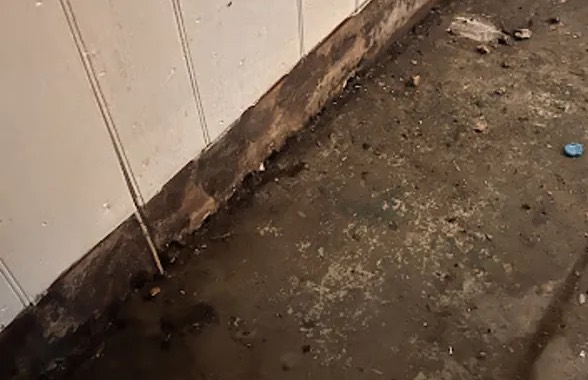
Septic Tank Backup Water Removal Specialists Serving St. Andrews
Emergency septic backup service in St. Andrews responds to the urgent need to remove hazardous water from living spaces. The overflow creates an immediate environment unfit for occupancy.
Septic tank backup water removal services in St. Andrews are vital for homes that rely on septic systems, which can fail due to blockages or heavy use. Properties in nearby areas like Seven Oaks, West Columbia and Oak Grove also face similar risks from septic overflows.
Key Septic Tank Backup Water Removal Procedures in St. Andrews
Septic Backup Flood Water Removal
Local septic backup cleanup pros respond 24/7 with industrial-grade equipment for septic backup water extraction. Removing the flood water stabilizes the property.
Septic Backup Odor Removal
Odor removal after a septic backup in St. Andrews targets the source of the smell within porous materials and the air.
Septic Overflow Decontamination
For a septic overflow, the pros perform a full decontamination to neutralize biohazards. This service prepares the structural materials for any necessary repairs or reconstruction work.
Septic Tank Drain Backup Cleanup
The pros use equipment designed to handle the challenging nature of this contaminated water. This specialized cleanup addresses the solids and organic waste that have backed up into drains.
Emergency Septic Backup Response
The emergency response from the pros aims to contain the health hazard and limit secondary damage like mold growth. Initial actions focus on securing the area and removing the sewage water.
When to Call for Septic Tank Backup Water Removal in St. Andrews
Toilets Flush Slowly or Not at All
Weak flushing action or water rising to the rim indicates a severe septic line backup. This is a common trigger for emergency septic backup response.
Overflow From Septic Tank Lid Area
Visible effluent or wet soil around the septic tank access lid is a clear sign the tank is full and septic system water removal is required.
Sewage Visible in Cleanout Pipe
If you check the main sewer cleanout and find standing wastewater, your septic system overflow water removal must be addressed by the pros.
Drains Back Up After Heavy Rain
Drains that back up after storms often mean the drain field is saturated and the tank cannot drain.
How Septic Tank Backup Water Removal Works in St. Andrews
Step 1: Septic Backup Inspection
Pros inspect the affected area first to plan how the sewage will be removed.
Step 2: Flood Water Extraction
Heavy-duty extractors pull the contaminated water out of floors, drains and carpet.
Step 3: Decontamination and Odor Control
The space is decontaminated and deodorized to remove bacteria and lingering odors.
Step 4: Structural Drying and Restoration
Affected materials are dried and readings confirm the area is dry before repairs begin.
What Causes Septic Tank Overflows in St. Andrews
Excessive Water Usage Overloading System
Too much water entering the tank at once can overwhelm it and send sewage back into the home.
Damaged or Collapsed Drain Field
When the drain field fails, water has nowhere to go and backs up into the house again and again.
Clogged Inlet or Outlet Baffles
Blockages at the tank's entry or exit points prevent proper flow. This disruption is a frequent reason for septic tank water extraction calls.
Improper Tank or System Design
A tank or drain field that is too small for the household leads to repeated backups.
Residential and Commercial Septic Tank Backup Water Removal in St. Andrews
Residential Septic Tank Backup Water Removal
A septic backup in a home needs urgent cleanup to protect the household's health. Pros remove the waste, then sanitize all surfaces with hospital-grade disinfectants.
Commercial Septic Tank Backup Water Removal
Industrial facilities with septic issues face complex challenges with machinery and large-scale flooring. The experts utilize truck-mounted pumps and industrial air movers to manage large volumes and restore the workspace to operational condition.
Why Septic Tank Backup Water Removal Requires Local Pros
You can safely identify and note the location of wet spots in your yard for the professionals. Avoid driving or walking over the suspected drain field area.
Factors Affecting Septic Tank Backup Water Removal Cost in St. Andrews
The more complicated the backup, such as sewage under flooring or in several rooms, the more labor the cleanup takes.
Required Water Extraction
The amount of sewage to remove sets the number of pumps and the time needed on site.
Damage Documentation
Detailed septic water damage documentation for insurance purposes involves time for photos, moisture mapping, and report preparation by the pros.
Affected Materials
Porous materials like drywall or flooring that absorb septic water may require removal and disposal, adding to the project's scope and expense.
Does Insurance Cover Septic Tank Backup Water Removal?
Whether insurance covers septic backup sewage cleanup depends on your policy's language regarding sewer or septic line backups. Some policies require a specific rider or endorsement for this type of water damage.
Selecting Local Pros for Septic Tank Backup Water Removal in St. Andrews
Containment Protocols
Work areas are sealed off so sewage is not tracked into clean rooms during the cleanup.
Thorough Drain Backup Cleanup
The process addresses the septic tank drain backup completely, cleaning the affected plumbing fixtures and surrounding areas.
Effective Odor Elimination
Specialized foggers and air scrubbers tackle septic backup odor removal at the source, not just masking unpleasant smells.
24/7 Emergency Septic Tank Backup Water Removal in St. Andrews
Sewage from a septic backup needs to be cleaned up quickly. Stop using water in the house and call (803) 941-5983 right away.
Call Now (803) 941-5983Septic Tank Backup Water Removal Near St. Andrews: Areas Served
In St. Andrews, homes can get septic backup water removal from the pros, who also help homeowners in nearby areas like Seven Oaks, West Columbia and Oak Grove.
- Septic Tank Backup Water Removal in Seven Oaks
- Septic Tank Backup Water Removal in West Columbia
- Septic Tank Backup Water Removal in Oak Grove
- Septic Tank Backup Water Removal in Irmo
- Septic Tank Backup Water Removal in Cayce
- Septic Tank Backup Water Removal in Olympia
- Septic Tank Backup Water Removal in Forest Acres
- Septic Tank Backup Water Removal in Arthurtown
- Emergency Damage Restoration in 29203
- Storm Damage Restoration in 29203
- Water Damage Restoration in 29203
- Water Extraction Service in 29203
- Water Leak Detection in 29203
- Water Removal Service in 29203
- Emergency Damage Restoration in 29210
- Storm Damage Restoration in 29210
Frequently Asked Questions About Septic Tank Backup Water Removal
How long does septic tank overflow cleanup take?
The timeline varies with the severity. Simple extraction and cleaning may take a day, while jobs involving structural repairs and detailed decontamination can span several days.
What areas need septic line backup water removal?
Any area where sewage has surfaced, usually bathrooms, basements or utility rooms near drain lines.
Is residential septic backup cleanup a DIY job?
No. Sewage exposure is a serious biohazard risk. Professional septic backup cleanup specialists have the training, equipment, and protective gear to handle contamination safely and effectively.
Is septic backup odor removal always necessary?
Almost always. Persistent odors indicate lingering contamination or moisture. Odor removal uses specialized equipment like hydroxyl generators or ozone machines to eliminate smells at their source.
What's the risk of untreated septic tank drain backup?
Untreated backups pose significant health risks from bacteria and viruses, cause permanent structural damage, and lead to pervasive mold infestations, greatly increasing repair costs later.