North, SC · Orangeburg County
Rapid Structural Drying in North, SCStructural Dehumidification & Moisture Mapping Services
Rapid Structural Drying in North includes emergency structural drying, moisture mapping services, and flood drying services.
Answered 24/7
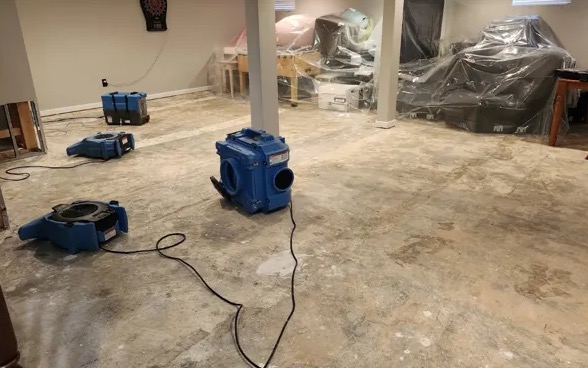
Local Rapid Structural Drying for North Homes and Businesses
Commercial properties have complex building assemblies that require specialized drying strategies. A fast, coordinated response minimizes downtime and limits damage.
Structural moisture removal in North addresses both visible and hidden water damage in homes and businesses. Service areas include nearby locations like Neeses, Swansea and Norway for added convenience.
Advanced Rapid Structural Drying Processes
Structural Dehumidification
The core of rapid structural drying is aggressive dehumidification. Using low-grain refrigerant (LGR) or desiccant units, pros control the environment to halt secondary damage.
Moisture Mapping Services
Knowing where moisture hides is essential. Moisture mapping involves systematic checks of walls, floors, and ceilings to document saturation levels.
Emergency Structural Drying
A sudden water event requires a drying protocol. High-capacity dehumidifiers then work to pull moisture from the air and structural components, starting the recovery process.
Wall Cavity Drying
Moisture locked within a wall demands a focused drying solution. Desiccant dehumidifiers are often used to aggressively pull moisture from the enclosed area.
Concrete Slab Drying
Concrete slabs retain moisture long after surface water is gone, leading to efflorescence and flooring adhesive failure.
Warning Signs You Need Rapid Structural Drying
Squeaking or Soft Floor Areas
Unusual noises or soft spots when walking indicate compromised subflooring from water damage that needs assessment.
Damp Spots on Concrete Floors
Persistent dampness on a concrete slab can leave white mineral deposits and loosen flooring adhesive.
Warped or Bubbling Floorboards
Hardwood floors that buckle or cup have taken on moisture from below, usually from a wet subfloor.
Water Pooling in Crawl Spaces
Standing water under your home puts floor framing at risk and needs pumping and drying.
How Rapid Structural Drying Works in North
Step 1: Emergency Assessment and Moisture Mapping
Local restoration pros first perform a detailed inspection using moisture meters and thermal imaging to create a precise moisture map of all affected structural areas.
Step 2: Strategic Flood Drying Setup
Based on the moisture map, air movers and dehumidifiers are placed where they dry the wet materials fastest.
Step 3: Targeted Cavity and Subfloor Drying
Hidden moisture in walls and subfloors is dried with injection systems or drying mats, without tearing out the finishes.
Step 4: Verification and Structural Dehumidification
Pros check moisture levels with meters and adjust equipment until all materials meet dry targets.
Common Causes of Water Damage Requiring Rapid Structural Drying in North
HVAC System Condensation Issues
Clogged drain lines or faulty condensate pumps from air handlers can cause significant water damage inside walls and ceilings.
Roof Leaks From Storm Damage
Wind-driven rain or damaged shingles allow water to infiltrate attics and wall cavities, leading to widespread structural moisture.
Landscaping or Grading Problems
Improper yard slope can direct water toward a foundation, leading to persistent dampness in slabs and crawl spaces.
Foundation Cracks and Water Seepage
Cracks in a foundation or basement wall permit groundwater intrusion, which can saturate concrete slabs and framing.
Both Home and Business Rapid Structural Drying
Residential Rapid Structural Drying
Crawl space drying is critical in homes to stop wood rot and pest infestation. The pros run drying ducts and desiccant dehumidifiers under the house until it reads dry.
Commercial Rapid Structural Drying
Offices get drying plans that run in phases, floor by floor, so wall cavities and ceiling plenums are dried with the least disruption.
Rapid Structural Drying vs. DIY: When to Call Restoration Pros
Pull back baseboards carefully to inspect for hidden water in wall cavities, but do not puncture drywall. This visual check can help assess the extent.
Factors Affecting Rapid Structural Drying Pricing
Pricing for emergency structural drying in North varies based on the category of water involved and the required drying time. Dehumidification and moisture mapping add to the total.
Moisture Mapping Scope
Detailed moisture mapping services to track drying progress across a structure require additional time and diagnostic tools from the pros.
Project Duration
The total time needed for complete structural dehumidification and achieving dry standards affects the overall labor and equipment rental period.
Extent of Water Damage
The square footage and depth of saturation in materials like drywall and subflooring directly impact the drying time and equipment needed.
Does Insurance Cover Rapid Structural Drying?
For flood drying services, coverage often requires a separate flood insurance policy. You need to provide this report to your insurance company and follow their specific claims process for water damage.
Reasons to Trust Local Pros with Rapid Structural Drying
Detailed Documentation for Claims
Comprehensive logs of moisture readings and photos are taken to document the damage for insurance purposes.
Industrial-Grade Drying Equipment
High-capacity air movers and dehumidifiers dry crawl spaces and concrete slabs, which hold water longest.
Advanced Moisture Detection
Tools like thermal imagers and moisture meters are used for accurate moisture mapping to find hidden water.
Round-the-Clock Rapid Structural Drying Availability
A plumbing failure or appliance leak can soak framing and subfloors within hours. Call (803) 941-5983 to start rapid structural drying.
Call Now (803) 941-5983Rapid Structural Drying in North and Nearby Areas
The pros dry homes and businesses in North after water damage, and also serve nearby locations including Neeses, Swansea and Norway.
- Rapid Structural Drying in Neeses
- Rapid Structural Drying in Swansea
- Rapid Structural Drying in Norway
- Rapid Structural Drying in Pelion
- Rapid Structural Drying in Gaston
- Rapid Structural Drying in St. Matthews
- Rapid Structural Drying in Orangeburg
- Rapid Structural Drying in Wagener
- Emergency Damage Restoration in 29112
- Storm Damage Restoration in 29112
- Water Damage Restoration in 29112
- Water Extraction Service in 29112
- Water Leak Detection in 29112
- Water Removal Service in 29112
Common Queries About Structural Drying
How long does concrete slab drying typically take?
Concrete slab drying time varies with thickness and saturation but often takes several days, as dense concrete releases moisture slowly, requiring sustained use of industrial dehumidifiers and air circulation.
What is the goal of commercial structural drying?
The goal of commercial structural drying is to quickly restore a safe, dry environment for business operations by removing moisture from building materials and contents to prevent long-term damage.
Why document the process for insurance?
Detailed documentation of moisture readings, photos, and equipment used provides a clear record for your insurance claim, showing the necessity and scope of the rapid structural drying services performed.
What areas of a home need structural moisture removal?
Structural moisture removal often targets concealed areas like behind walls, under floors, within ceiling cavities, and in support beams where water can linger and cause hidden damage.
What is structural dehumidification?
Structural dehumidification uses large-capacity dehumidifiers to lower the overall humidity within a building's structure, aiding the drying of materials and helping to prevent secondary water damage like mold.