Columbia, SC · Richland County
Post-Water Damage Repairs in Columbia, SCStructural Drying Services & Water Damage Reconstruction Services
Local Post-Water Damage Repairs in Columbia involves water damaged floor removal, wet drywall removal and mold prevention after water damage.
Answered 24/7
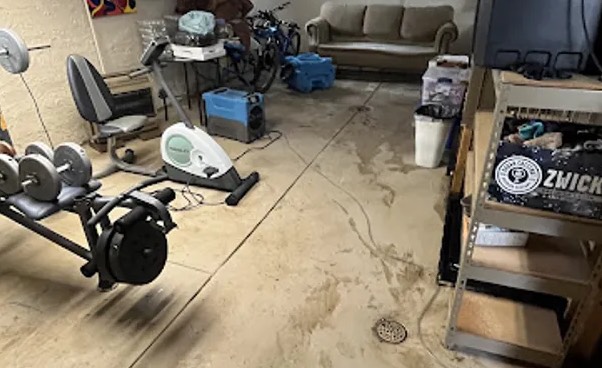
Post-Water Damage Repairs Services for Columbia Residents
In Columbia, rot and mold follow water damage that is not handled. Water extraction specialists extract the water first, then dry the structure and inspect for moisture.
In Columbia and nearby Olympia, West Columbia and Forest Acres, the specialists remove standing water first, then run air movers and dehumidifiers and clean and restore contents where needed.
Complete Post-Water Damage Repairs Solutions in Columbia
Structural Drying Services
After extraction, professional structural drying removes moisture from building materials. The pros place air movers and dehumidifiers strategically. They monitor wall and subfloor moisture daily.
Water Damage Reconstruction Services
Rebuilding covers carpentry, drywall and painting, done by the pros or their contractors so the repairs blend with the rest of the home.
Mold Prevention After Water Damage
Mold prevention starts with initial extraction and continues through drying. The professionals use dehumidifiers to reach a dry standard.
Wet Drywall Removal
For homes in Columbia, wet drywall removal is common. The pros handle removing soaked panels and proper disposal.
Emergency Water Extraction
The pros begin with water extraction to remove standing water. They use powerful extractors on floors and carpets. This rapid action helps prevent secondary damage like swelling.
Warning Signs You Need Post-Water Damage Repairs
Visible Water Pooling or Stains
Standing water or discolored patches on floors, walls or ceilings often point to an active leak.
Mold Growth on Surfaces
Black, green or white fuzzy patches mean moisture has stayed long enough for mold to grow.
Damp Drywall or Soft Spots
Walls that feel wet or soft to the touch have taken on water that weakens them.
Unexplained Spike in Water Bills
A sudden increase in your water usage cost can reveal a hidden plumbing leak, a common cause for emergency water damage.
How Post-Water Damage Repairs Work in Columbia
Step 1: Water Removal Response
Upon call, the professionals begin water extraction, using truck-mounted units to eliminate flood water and minimize further damage.
Step 2: Comprehensive Moisture Inspection
Moisture meters and infrared cameras map all wet areas so nothing hidden is missed.
Step 3: Content Cleaning and Salvage
Moveable belongings are cleaned, deodorized, and restored off-site when possible, a key service of content cleaning and restoration after a water event.
Step 4: Mold Prevention Treatments
Before rebuilding, surfaces that stayed wet are treated with an antimicrobial to limit mold.
Frequent Causes of Home Water Damage
Roof Leaks and Compromised Shingles
Roofing damaged by age or storms lets water seep into attics and ceilings.
HVAC System Condensation Issues
Clogged drain lines or malfunctioning air conditioner units can leak condensate, creating hidden moisture perfect for mold growth after water damage.
Clogged or Backed-Up Gutters
Gutters filled with debris cause overflow that soaks siding and foundations, potentially leading to wall and basement water damage.
Overflowing Sinks, Tubs, or Toilets
A clog or a tap left running can overflow a sink or tub and soak floors and drywall.
Residential and Commercial Post-Water Damage Repairs in Columbia
Residential Post-Water Damage Repairs
When a whole house floods, the pros handle the response, dry the structure and rebuild so the home returns to its pre-loss condition.
Commercial Post-Water Damage Repairs
In commercial buildings, water can reach server and electrical rooms. Those areas are dried first, and wet materials are removed before the rebuild.
The Risks of DIY Post-Water Damage Repairs in Columbia
You can remove soaked debris like cardboard boxes. Do not tear out wet drywall or flooring yourself, since doing it wrong can make the damage worse or create hazards.
Factors Affecting Post-Water Damage Repairs Price in Columbia
Around Columbia, there is no one price. The amount of extraction, the drying required and the complexity of the repairs all affect the final cost.
Reconstruction Complexity
Simple drywall patches cost less than rebuilding entire ceiling sections or replacing subflooring after water-damaged floor removal.
Extent of Water Damage
The square footage and depth of saturation set the scope and length of extraction and drying.
Mold Prevention Measures
Antimicrobial treatment and full drying to prevent mold add to the cost of the cleanup.
Does Insurance Cover Post-Water Damage Repairs?
Whether insurance covers reconstruction depends on policy terms. Most cover sudden incidents but exclude long-term neglect. The experts provide documentation, like moisture reports, to support a claim.
Why Choose Local Pros for Post-Water Damage Repairs in Columbia
Integrated Mold Prevention
Applying EPA-registered antimicrobial agents during drying helps inhibit mold growth, a key part of responsible water damage cleanup.
Content Restoration Capabilities
Specialized cleaning techniques for belongings affected by water can restore many items, from documents to furniture, during the restoration process.
Advanced Water Extraction Equipment
Truck-mounted or portable extractors remove standing water quickly, which shortens drying before the rebuild.
24/7 Post-Water Damage Repairs Response in Columbia
Severe water intrusion requires professional intervention now. For emergency water damage repair and mitigation services in Columbia, call local pros at (803) 941-5983.
Call Now (803) 941-5983Post-Water Damage Repairs for Columbia and Surrounding Communities
In Columbia and nearby places including Olympia, West Columbia and Forest Acres, rebuilding follows the emergency work to restore ceilings, walls and floors.
FAQ: Post-Water Damage Repairs in Columbia, South Carolina
How long does structural drying typically take?
It depends on how wet the materials are, the humidity and the airflow. It usually takes several days, and readings confirm when it is done.
What methods are used to dry inside walls after water damage?
Drying inside walls involves creating ventilation by removing baseboards or drilling small holes, then inserting air movers and dehumidifiers to circulate dry air through the wall cavity.
What is the purpose of a moisture inspection?
Meters and sensors find hidden water in walls, floors and ceilings so drying covers all of it.
How is mold prevention handled after water damage?
Mold prevention involves rapid drying to eliminate moisture, application of EPA-registered antimicrobial agents to affected surfaces, and maintaining low humidity until reconstruction is finished.
What equipment is used for water removal?
The pros use submersible pumps for deep water, wet/dry vacuums for extraction, and truck-mounted units for large volumes to remove standing water from a property.