Hopkins, SC · Richland County
Office Building Water Extraction in Hopkins, SCOffice Building Drying Services & Wet Drywall Removal
Office Building Water Extraction in Hopkins handles office building flood cleanup, commercial carpet water extraction and wet drywall removal.
Answered 24/7
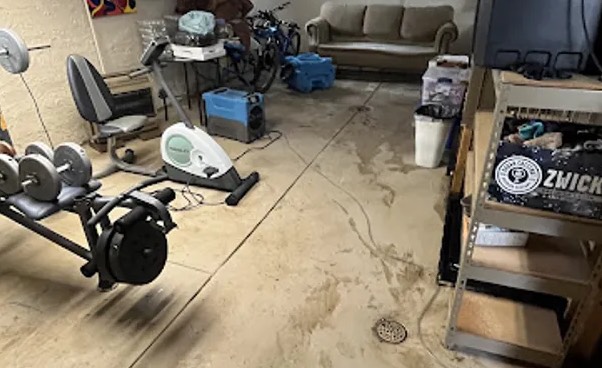
Water Extraction for Hopkins Office Buildings
In Hopkins, office water damage often comes from rooftop HVAC units, failed water heaters in restrooms and break-room appliances.
Office building water extraction is available in Hopkins and nearby Gadsden, Arthurtown and Olympia. The pros handle glue-down carpet, drop ceilings and metal-stud walls common in offices.
What Office Water Extraction Covers in Hopkins
Office Building Drying Services
Air movers and large dehumidifiers dry carpet, walls and furniture after extraction. Readings are taken each day until materials reach dry targets.
Wet Drywall Removal
Drywall that wicks water above the baseboard is cut a few inches above the wet line. That opens the wall so the studs and insulation can dry.
Office Water Damage Cleanup
The pros pick up standing water, pull soaked ceiling tiles and move furniture out of wet zones, then photograph each area for the building owner and insurer.
Office Building Flood Cleanup
Large floods are split into zones so drying can start in one part of the building while extraction continues in another.
Commercial Carpet Water Extraction
Office carpet is usually glued to concrete, so it cannot be lifted to dry. Repeated extraction passes and floor drying mats draw water out from below.
Office Water Damage Warning Signs in Hopkins
Water Near Floor Boxes
Water around floor outlets, cable trays or raised floors is a safety risk. Keep people away and turn off power to that area.
Bubbling Paint or Wallcovering
Paint or vinyl wallcovering that bubbles or peels on lower walls points to moisture trapped inside the wall.
Warped Cabinet Bases
Break-room or reception cabinets with swollen particleboard bases often hide a slow leak from a sink, ice maker or coffee line.
Stained Ceiling Tiles
Brown rings or sagging acoustic tiles mean water is collecting above the grid from a roof drain, pipe or the floor above.
How Office Building Water Extraction Works in Hopkins
Step 1: Map the Wet Area
Moisture meters and thermal cameras show how far water spread under carpet, inside walls and above the ceiling grid.
Step 2: Protect Records and Equipment
Computers, files and furniture in the wet zone are moved or set on blocks before extraction begins.
Step 3: Commercial Carpet Water Extraction
Glue-down carpet and carpet tiles are extracted with repeated passes that pull water from the backing and the slab surface.
Step 4: Verify and Document
Final readings are recorded with photos for each room, so the building owner and insurer can see the drying results.
Typical Sources of Commercial Water Damage in Hopkins
Restroom Overflows
Clogged toilets and sinks in shared restrooms can overflow, and the water often reaches the floor or suite below.
Sewer Backups
A blocked building drain can push sewage up through floor drains and restroom fixtures on the lowest level.
Window and Wall Leaks
Failed window seals and cracked exterior joints let wind-driven rain into walls and onto carpet along the outside of the building.
Burst Supply Lines
Restroom and break-room supply hoses can split without warning and run for hours, especially overnight or on weekends.
Water Extraction for Offices, Home Workspaces and Mixed-Use Buildings in Hopkins
Residential Water Extraction
For a home office, wet carpet and drywall are handled like any room. Electronics are unplugged and moved, then the floor and walls are dried.
Office Building Water Extraction
Property managers get a moisture map of the affected area and daily readings, so they can plan repairs and tell tenants which suites will reopen first.
DIY Limits for Office Water Damage in Hopkins, SC
Staff can shut off the water at the nearest valve, unplug equipment in the wet area and move files and laptops to a dry room. These steps limit losses before help starts.
What Drives Office Building Water Extraction Cost in Hopkins
The cost of office building water extraction in Hopkins depends on the square footage that got wet, the type of flooring and how many days drying takes.
Drying Time
Each extra day of dehumidifiers, air movers and moisture checks adds cost, so dense materials that dry slowly raise the total.
Ceilings and Walls
Wet ceiling tiles, plenum insulation and the lower strip of drywall add removal and drying time to the job.
Flooring Type
Glue-down carpet and carpet tiles take more extraction passes than sealed concrete or vinyl, and some tiles may need replacement.
Does Insurance Cover Office Building Water Extraction?
Report the loss to your insurer soon. Photos, moisture logs and a list of removed materials help the adjuster review the claim.
What Local Pros Bring to an Office Water Loss in Hopkins, SC
Drying Measured, Not Guessed
Equipment comes out only after meters show floors and walls are dry, not when the carpet feels dry to the touch.
Clear Communication
Property managers get a plan for each area and daily updates, so they can tell tenants what to expect.
Fewer Closed Rooms
Drying is planned in zones and around work hours, so staff can keep using dry parts of the office while the rest is worked on.
Water in Your Hopkins Office Right Now?
Do not wait until Monday to deal with weekend water damage. Call (803) 941-5983 so water does not keep soaking into carpet and walls.
Call Now (803) 941-5983Office Building Water Extraction Coverage in Hopkins, South Carolina
Office building water extraction is available in Hopkins and nearby Gadsden, Arthurtown and Olympia, for single suites and whole buildings.
- Office Building Water Extraction in Gadsden
- Office Building Water Extraction in Arthurtown
- Office Building Water Extraction in Olympia
- Office Building Water Extraction in Forest Acres
- Office Building Water Extraction in Eastover
- Office Building Water Extraction in Woodfield
- Office Building Water Extraction in Cayce
- Office Building Water Extraction in Elgin
- Emergency Damage Restoration in 29061
- Storm Damage Restoration in 29061
- Water Damage Restoration in 29061
- Water Extraction Service in 29061
- Water Leak Detection in 29061
- Water Removal Service in 29061
Office Building Water Extraction FAQs
How long does it take to dry an office after a leak?
Most offices dry in three to five days, depending on how much water there was and the type of flooring and walls. Readings decide when it is done.
What safety steps are taken during office water extraction?
Power to wet areas is shut off, sagging ceiling tiles are removed and walkways are kept clear of hoses and cords.
Is water from a restroom overflow dangerous?
It can be. Water from toilets and drains may carry bacteria, so wet porous materials are usually removed and surfaces are disinfected.
Do ceiling tiles always need to be replaced?
Stained or sagging tiles are usually replaced, since they are hard to clean and easy to swap out. The drywall and insulation above them are dried.
Can water damage spread to other suites?
Yes. Water moves through shared walls and down through floors, so suites next to and below the leak should be checked too.