Jackson, SC · Aiken County
Multi-Family Water Damage Restoration in Jackson, SCApartment Water Extraction & Wet Drywall Removal
Multi-Family Water Damage Restoration in Jackson addresses apartment water extraction, multi-unit flood drying, and carpet water damage restoration.
Answered 24/7
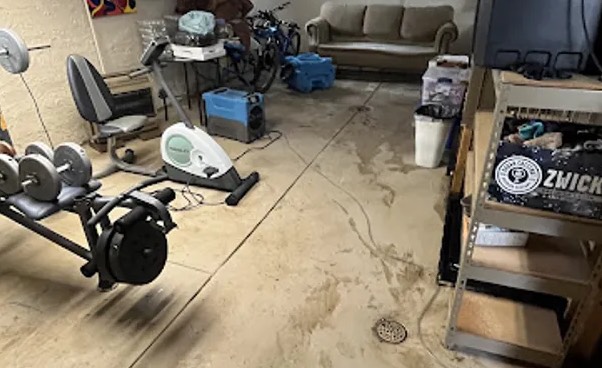
Professional Multi-Family Water Damage Restoration in Jackson, SC
Multi-family property drying after a flood or major leak is a large-scale undertaking. In Jackson, managing airflow and humidity across several stories and units is key to effective restoration.
Condo water damage cleanup requires attention to both individual units and common elements. In Jackson, pros address leaks that originate in one condo but impact others below or beside it.
The Multi-Family Water Damage Restoration Process for Jackson
Apartment Water Extraction
Effective apartment water extraction requires powerful equipment for unit floors and shared hallways. It stops water migration affecting neighboring apartments.
Wet Drywall Removal
Wet drywall removal is necessary when water saturates wall cavities, leading to swelling and mold risk. Restoration pros remove compromised drywall to allow proper drying.
Apartment Mold Prevention
Apartment mold prevention relies on rapid drying after water intrusion. Local multi-family water damage pros monitor moisture in wall cavities and under flooring.
Carpet Water Damage Restoration
Carpet water damage restoration involves extracting water, cleaning, and drying carpets in hallways and units. If padding is soaked, it is removed to dry the subfloor.
Multi-Unit Flood Drying
Multi-unit flood drying deploys commercial-grade dehumidifiers and air movers to address humidity absorbed by building materials.
When to Call for Multi-Family Water Damage Restoration in Jackson
Swollen or Soft Drywall
Walls or ceilings that feel soft or spongy are soaked through, and the wet drywall usually has to be cut out and replaced.
Peeling Paint or Wallpaper
Bubbling or peeling finishes are a clear indicator of moisture intrusion behind surfaces.
Rust on Pipes or Fixtures
Corrosion on plumbing under sinks or in utility closets often precedes leaks, calling for preventative action from the pros.
Visible Mold Growth on Surfaces
Black, green or white spots on walls or baseboards mean moisture has stayed in a unit for days.
How Multi-Family Water Damage Restoration Works in Jackson
Step 1: Assessment and Water Source Control
The pros first identify the leak source and extent of water damage in apartment buildings to create a targeted action plan.
Step 2: Commercial Water Extraction From All Levels
High-volume pumps and extractors are used for apartment water extraction from carpets, subfloors, and elevator shafts across multiple floors.
Step 3: Structural Drying and Moisture Monitoring
Specialized equipment dries the building's structure, with sensors ensuring walls and concrete slabs reach a dry standard, preventing mold.
Step 4: Final Verification and Air Quality Check
Before concluding, the pros verify all areas are dry before residents and tenants move back in.
Leading Causes of Flooding in Jackson Multi-Unit Properties
Burst or Leaking Supply Lines
Failed pipes behind walls or under sinks are a leading cause of water damage in apartment buildings, and the water often reaches the unit below.
Sprinkler System Accidental Discharge
A faulty or damaged fire sprinkler head can release hundreds of gallons.
Roof Leaks During Heavy Rain
Compromised roofing can allow water to seep into top-floor units and cascade down.
Appliance Malfunctions and Overflows
Faulty washing machines, water heaters, or dishwashers in individual units can flood multiple floors.
Multi-Family Water Damage Restoration for Apartments and Condos in Jackson
Residential Multi-Family Water Damage Restoration
For condo associations, the pros address humidity and leaks in shared walls and mechanical chases. Their services include condo water removal and targeted drying to protect the building's structure.
Commercial Multi-Family Water Damage Restoration
In large apartment portfolios owned by investment firms, the pros provide systematic multi-family property drying. They use the same drying and documentation process in every building.
The Risks of DIY Multi-Family Water Damage Restoration in Jackson
Improving air circulation is a safe DIY step; you can open windows if weather permits and use fans, but avoid spreading moisture to dry areas. Do not use household vacuums to extract water.
Understanding Multi-Family Water Damage Restoration Expenses in Jackson
The duration of the water exposure and the subsequent mold prevention steps required will factor into the overall restoration cost.
Property Layout Complexity
A complex multi-family building with hard-to-access utility chases or shared walls can make drying more labor-intensive, affecting the final cost.
Required Drying Duration
The number of days needed for thorough multi-unit flood drying with industrial equipment directly impacts labor, monitoring, and equipment rental expenses.
Affected Unit Count
One flooded apartment costs far less than water that spread through several units, which need more equipment and labor.
Does Insurance Cover Multi-Family Water Damage Restoration?
Whether condo water damage cleanup is covered hinges on the cause listed in the policy. The pros in Jackson provide detailed documentation of affected areas and the restoration process.
Why Choose Local Pros for Multi-Family Water Damage Restoration in Jackson
Coordinated Property Management
The pros can coordinate with property managers to schedule access and minimize disruption during multi-family property drying projects.
Advanced Multi-Unit Drying
Commercial equipment reaches water in wall cavities and between units, where household fans cannot dry it.
Documentation for Insurance
Detailed photos, moisture maps, and drying logs are provided by the pros to support your water damage insurance claim process effectively.
Round-the-Clock Multi-Family Water Damage Restoration in Jackson
Water spreading in your apartment building requires immediate action. For 24/7 emergency water removal in Jackson to stop the damage and start the drying process, call the experts at (803) 941-5983 now.
Call Now (803) 941-5983Multi-Family Water Damage Restoration Service Area Including Jackson
Each place listed below has its own page with local details.
- Multi-Family Water Damage Restoration in North Augusta
- Multi-Family Water Damage Restoration in Aiken
- Multi-Family Water Damage Restoration in Belvedere
- Multi-Family Water Damage Restoration in Williston
- Multi-Family Water Damage Restoration in Barnwell
- Multi-Family Water Damage Restoration in Blackville
- Multi-Family Water Damage Restoration in Wagener
- Multi-Family Water Damage Restoration in Johnston
- Emergency Damage Restoration in 29831
- Storm Damage Restoration in 29831
- Water Damage Restoration in 29831
- Water Extraction Service in 29831
- Water Leak Detection in 29831
- Water Removal Service in 29831
Multi-Family Water Damage Restoration FAQs
Why is apartment mold prevention part of water restoration?
Mold can begin growing within 24-48 hours in damp materials. Rapid drying and applying EPA-registered antimicrobial agents during restoration inhibit mold.
What steps prevent cross-contamination during water removal in a multi-unit property?
Using containment barriers and negative air machines helps isolate the work area, controlling dust and moisture migration between units during the restoration project.
Does multi-unit flood drying require special equipment?
Yes, commercial-grade dehumidifiers, high-capacity air movers, and specialized moisture detection tools are used to effectively dry shared walls, floors, and cavities across multiple units.
What steps follow emergency water removal in a condo?
After extraction, detailed drying begins, potentially including wet drywall removal, subfloor drying, dehumidification, and ongoing moisture monitoring until all materials meet dry standards.
How is emergency water removal different in multi-unit buildings?
It requires coordinated access, potential containment to protect unaffected units, and often larger-scale extraction equipment to manage higher water volumes from common sources.